
- BGG-Rang
- BGG #5.719
- BGG-Bewertung
- 8,2
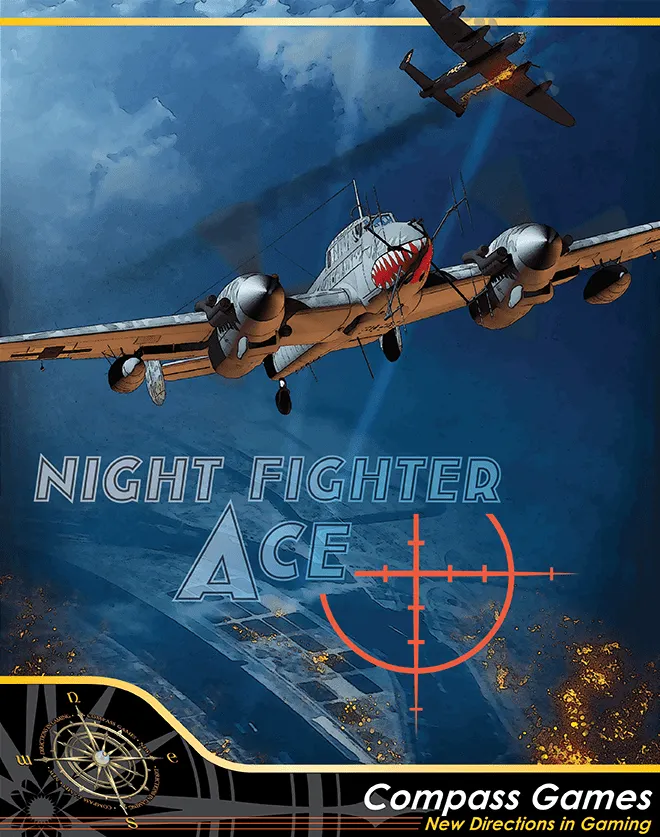
Nightfighter Ace: Air Defense Over Germany, 1943-44
- 1–2 Spieler
- 120–180 Min.
- Komplexität 2,3/5
- 2018
2019
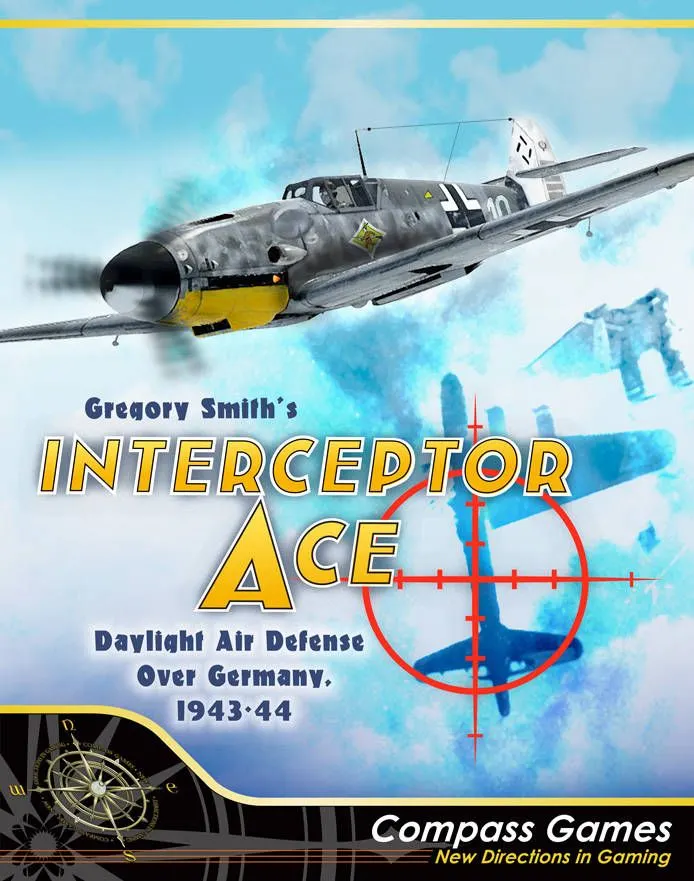
Regelhilfe für Interceptor Ace: Daylight Air Defense Over Germany, 1943-44
Verständliche Erklärungen zu Spielzügen, Karteneffekten und strittigen Situationen mit Verweisen auf offizielle Quellen und gespeichertem Fragenverlauf.
Für 1 Person
Was möchtest du wissen?
Antworten stammen aus dem offiziellen Regelheft, mit Seitenangabe zum Nachprüfen.
Interceptor Ace: Daylight Air Defense Over Germany, 1943-44 ist ein Brettspiel aus dem Jahr 2019 für 1 Person und mit 120–180 Minuten pro Partie. Entwickelt wurde es von Gregory M. Smith; die wichtigsten Mechaniken sind Dice Rolling, Simulation und Solo / Solitaire Game.
Auf Englisch
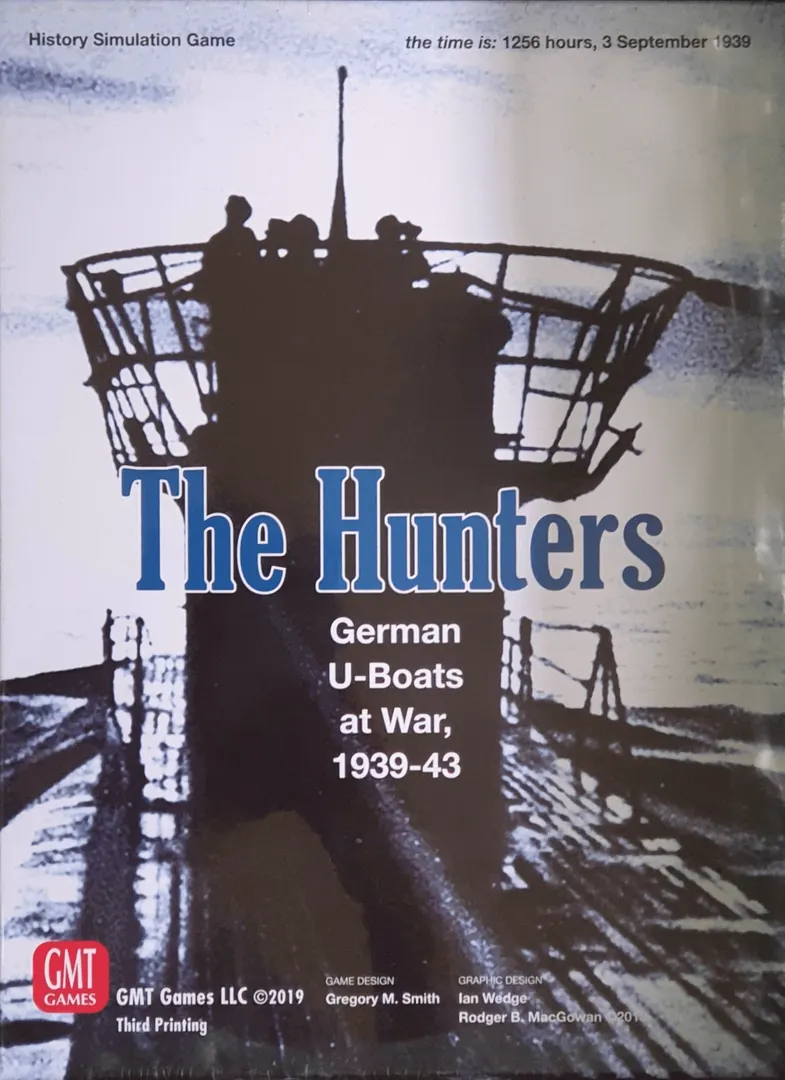
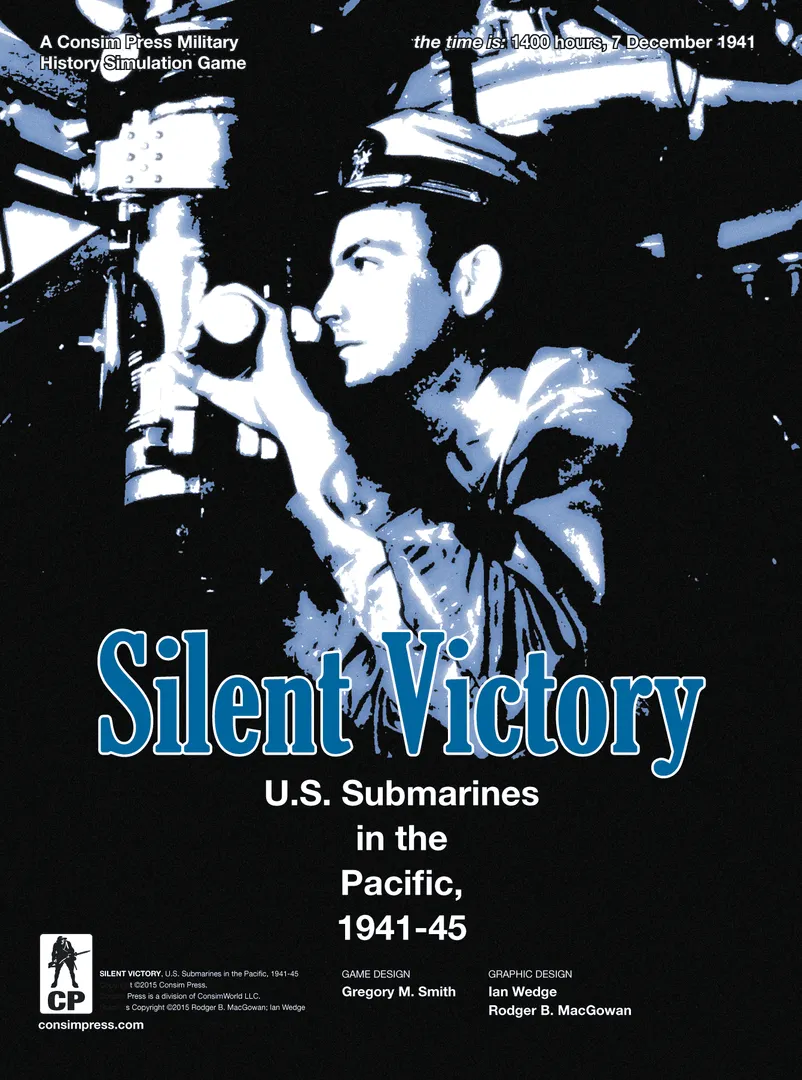
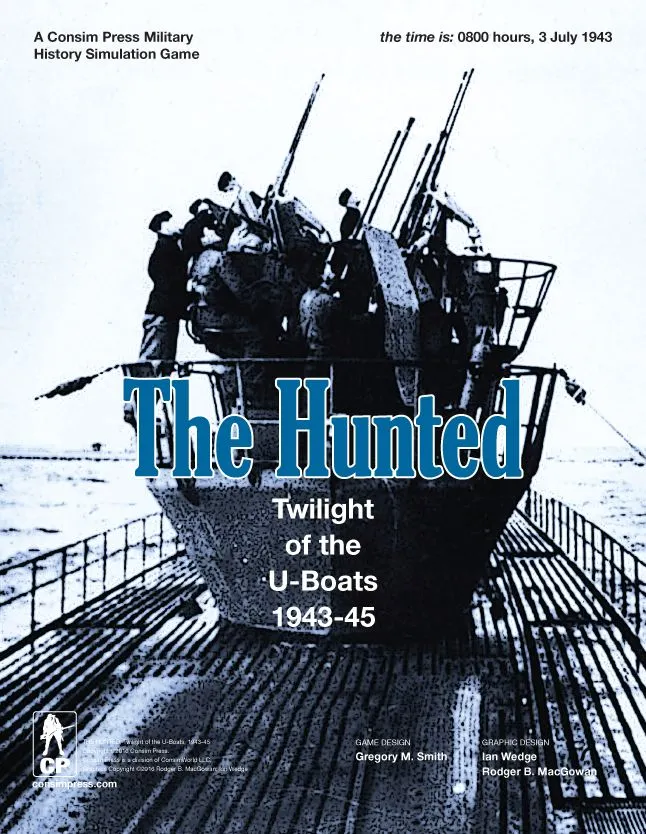
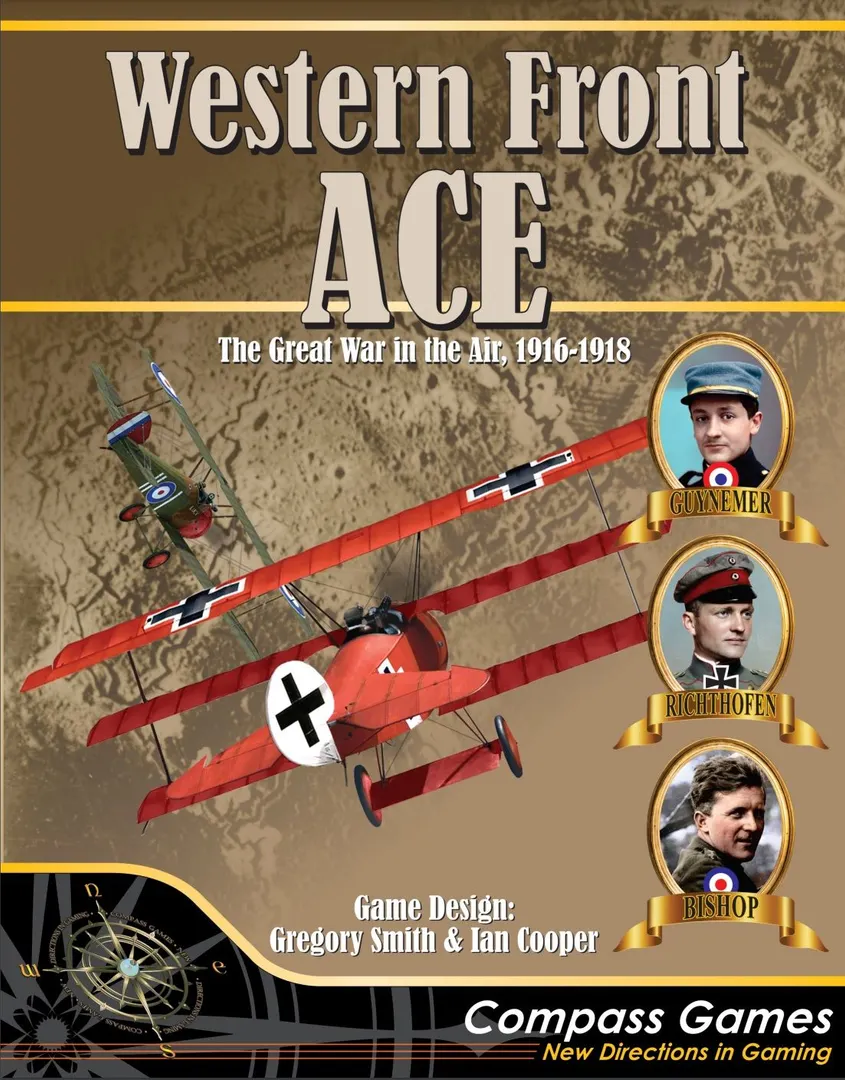
Interceptor Ace: Daylight Air Defense Over Germany, 1943-44 is a solitaire, tactical level game which places you in command of a German fighter during World War II. Each turn consists of several days, during which a combat mission will be flown from one of many bases in Europe, attempting to intercept incoming American Bombers. Interceptor Ace is based on the popular, action-packed Nightfighter Ace game system by Gregory M. Smith with a strong narrative around the pilot as you look to increase your prestige, earn skills, and rise in rank through promotion and receive awards. The objective of the game is to conduct numerous sorties in the role of a German interceptor pilot and rack up kills. Pilots may use the experience gained to improve their odds of success by purchasing skills. As their prestige increases, they may request a transfer to other fighter bases in an attempt to get “closer to the action” or request a newer type of fighter. Awards and ace status help to narrate the player’s eventual goal – to become the top “Viermot” killer of the war. The system is packed with rich technical detail but without the complexity to capture the key historical facets of the day bombing campaign over Germany. In terms of fighters alone, there are 30 aircraft models available to pilot. The families of fighters include: Bf109 (11 aircraft) Bf110 (4 aircraft) Me410 (2 aircraft) Fw190 (13 aircraft) For each interceptor, you will be using the date of availability, speed, area of operations based on originating base, individual weapon systems, damage, and crew status. Fighters can be assigned to one of seven possible major geographic base “groups” as follows: Dutch: Woensdrecht, Schiphol, Deelen, Wevelgem Bremen: Husum, Jever, Oldenburg, Hildesheim French: St. Brieuc, Poix, Vannes-Meucon, Evreax Ruhr: Jever, Mönchen-Gladbach Munich: Neubiberg Műnster: Münster-Handorf, Bad Lippspringe, Rheine Frankfurt: Ansbach, Wertheim Besides the focus on hardware, the soft aspects of the war are also faithfully rendered for each pilot and crew. For example, air crew is characterized by various, including numerous Pilot skills, Wingman skills, Bordschuetze (Rear Gunner) skills, and Prestige Level. The emphasis on various skills and benefits to gaining experience creates even a stronger narrative when compared to the Hunters game system, which helps weave a tense and dramatic narrative during play. One major change in Interceptor Ace over Hunters is the ability to choose your crew improvements instead of randomly rolling for them. As these greatly impact on your combat capability (and survival), it is a major decision you must make. Another major change in the system is the wingman concept, who can possibly pull you out of a bad situation if he is still flying. Game play moves quickly, following a set sequence of events that are repeated until the end of the game. Once you have your initial pilot and crew along with your nightfighter assignment, play proceeds by checking for incoming raid information while checking for weather prior to take off. Following successful take off, play proceeds by flying to the area you expect to intercept the American. As location boxes are entered, you will roll for possible intercept in which combat may ensue. Combat may consist of numerous rounds after which returning to base and landing operations occurs, with the weather playing a factor again as part of the landing procedure. When the mission is completed, you will ascertain any awards, Prestige points, or Experience points gained prior to you next sortie. Here you can also spend Prestige and Experience points if desired to gain skills, request a new fighter, or request a change of base. You will repeat this process by going to your next sortie until shot down and killed, or until February 1944 should you make it through unscathed. This game is highly accessible to those familiar with The Hunters, Silent Victory, or Nightfighter Ace and designed by Gregory M. Smith. The game system lends itself very well to capturing the tense air defense over Germany. While Interceptor Ace is designed as a solitaire gaming experience, additional options for play are provided for both multi-player cooperative and competitive gaming sessions. Product Information: Complexity: 6 out of 10 Solitaire Suitability: 10 out of 10 Time Scale: 3-4 days per Turn Map Scale: Abstract Unit Scale: individual aircraft, individual weapon systems, individual electronic systems, specific crew members, and ammo rounds Players: one (with option for two or more) Playing Time: two to three hours Components: One Countersheet of 9/16″ unit-counters Fifteen Aircraft Display Mats 8.5″ x 11″ (double-sided, 30 total) Four Player Aid Cards 8.5″ x 11″ One Combat Display Mat 8.5″ x 11″ Two Bomber Target Mats 8.5″ x 11″ One Pilot Awards Display Mat 8.5″ x 11″ One Air Operations Display Mat 11” x 17” Eight Ace Pilot Cards Sixty Combat Cards Rules Booklet featuring extensive Historical Background One Logsheet 8.5” x 11” Two 6-sided, one 10-sided, and one 20-sided die Box and Lid —description from the publisher
Laut Katalog unterstützt Interceptor Ace: Daylight Air Defense Over Germany, 1943-44 1 Person. Das ist die vom Verlag angegebene Spielerzahl, das Spiel ist also genau für diese Anzahl von Mitspielenden ausgelegt. Varianten für andere Gruppengrößen sind, sofern vorhanden, in der Anleitung deiner Ausgabe beschrieben; prüfe sie, bevor du eine andere Konfiguration aufbaust.
Die angegebene Spieldauer für Interceptor Ace: Daylight Air Defense Over Germany, 1943-44 beträgt 120–180 Minuten. Das ist die Schätzung des Verlags für eine vollständige Partie. Die tatsächliche Dauer hängt von der Gruppe, der Personenzahl und der Regelkenntnis ab: Erste Partien dauern meist länger, erfahrene Gruppen sind oft schneller fertig. Aufbau und Regelerklärung sind in dieser Schätzung nicht enthalten.
Interceptor Ace: Daylight Air Defense Over Germany, 1943-44 hat bei BoardGameGeek eine Komplexitätswertung von 2,5 von 5 und gilt damit als eher leichtes Spiel. Die Wertung zeigt, wie viel Regelwissen, Planung und Entscheidungen eine typische Partie verlangt. Schwerere Spiele brauchen bei der ersten Erklärung mehr Zeit, daher hilft vor dem Spieleabend eine Vorbereitungsanleitung.
Interceptor Ace: Daylight Air Defense Over Germany, 1943-44 gehört zu diesen Kategorien: Wargame, World War II und Aviation / Flight. Die wichtigsten Mechaniken sind Dice Rolling, Simulation und Solo / Solitaire Game. Kategorien beschreiben Thema und Setting eines Spiels, Mechaniken dagegen, was die Spielenden in ihrem Zug tatsächlich tun. Jede Mechanik führt zu einer Katalogseite mit ähnlichen Spielen, falls du etwas Vergleichbares suchst.
Als Autoren von Interceptor Ace: Daylight Air Defense Over Germany, 1943-44 sind angegeben: Gregory M. Smith. Diese Angaben stammen aus den veröffentlichten Spieldaten und nennen die für das Spieldesign verantwortlichen Personen, nicht die Illustratoren oder Verlage. Die Autorenseiten auf MeepleRules sammeln weitere Titel derselben Autoren – praktisch, wenn dir ein Spiel gefällt und du ähnliche Spiele suchst.
Im Katalog ist Interceptor Ace: Daylight Air Defense Over Germany, 1943-44 als Grundspiel aufgeführt. Es lässt sich eigenständig mit dem Material aus der Schachtel spielen und benötigt keinen weiteren Titel. Erweiterungen, sofern es welche gibt, ergänzen neues Material oder neue Regeln und sind im Katalog separat mit einem Verweis auf dieses Grundspiel aufgeführt.