

- BGG-Rang
- BGG #10.576
- BGG-Bewertung
- 6,8
Master of Economy
- 2–4 Spieler
- 120 Min.
- Komplexität 4,1/5
- 2010
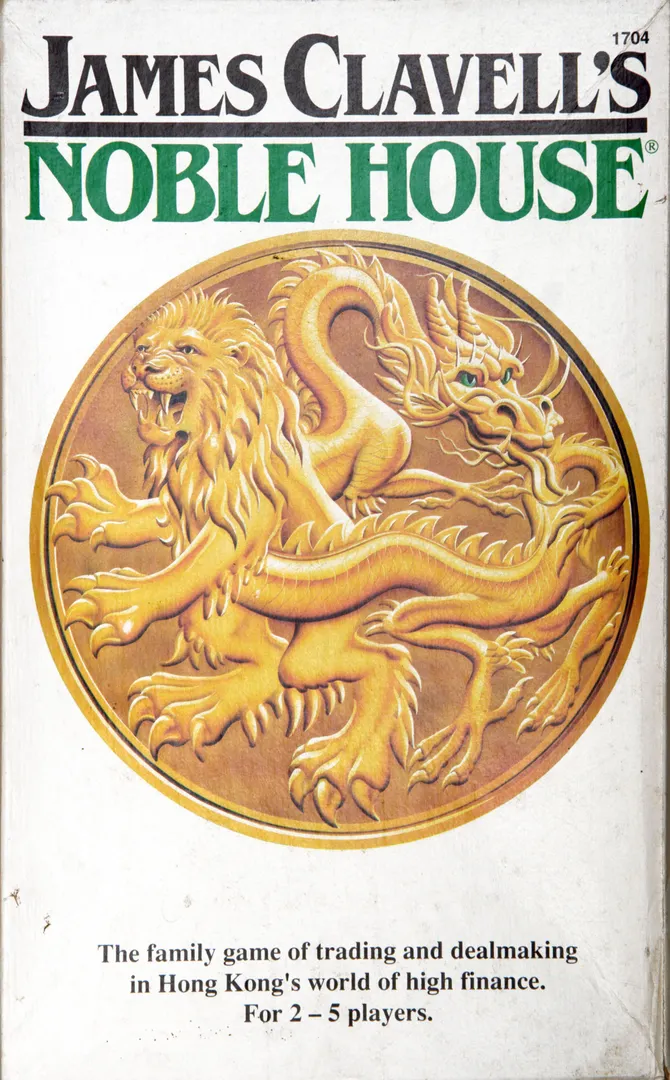
1988
Regelhilfe für James Clavell's Noble House
Verständliche Erklärungen zu Spielzügen, Karteneffekten und strittigen Situationen mit Verweisen auf offizielle Quellen und gespeichertem Fragenverlauf.
Was möchtest du wissen?
Antworten stammen aus dem offiziellen Regelheft, mit Seitenangabe zum Nachprüfen.
James Clavell's Noble House ist ein Brettspiel aus dem Jahr 1988 für 2–5 Personen, mit 180 Minuten pro Partie und ab 12 Jahren. Entwickelt wurde es von L. Ross Babcock, III; die wichtigsten Mechaniken sind Trading, Auction / Bidding und Commodity Speculation.
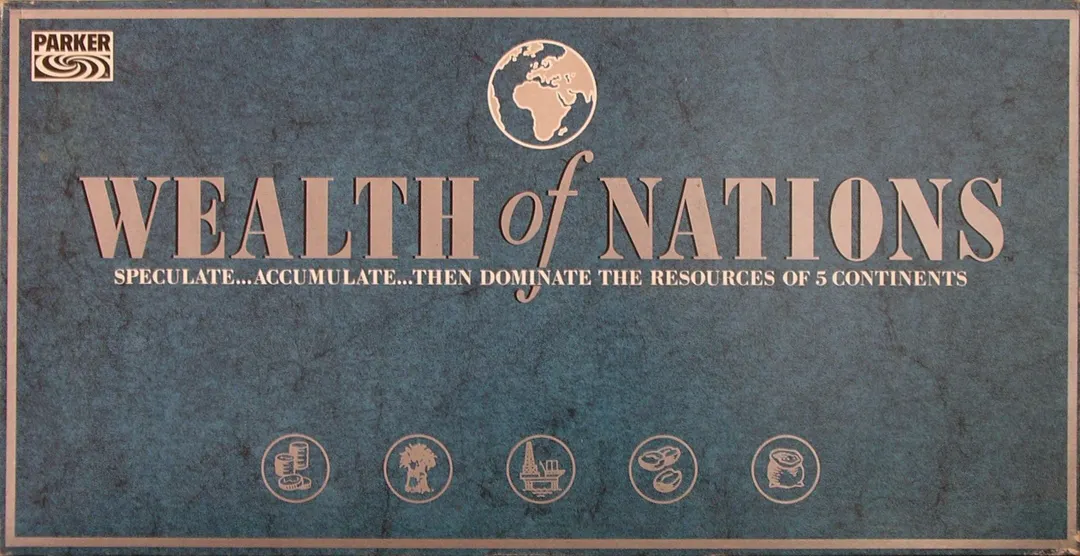

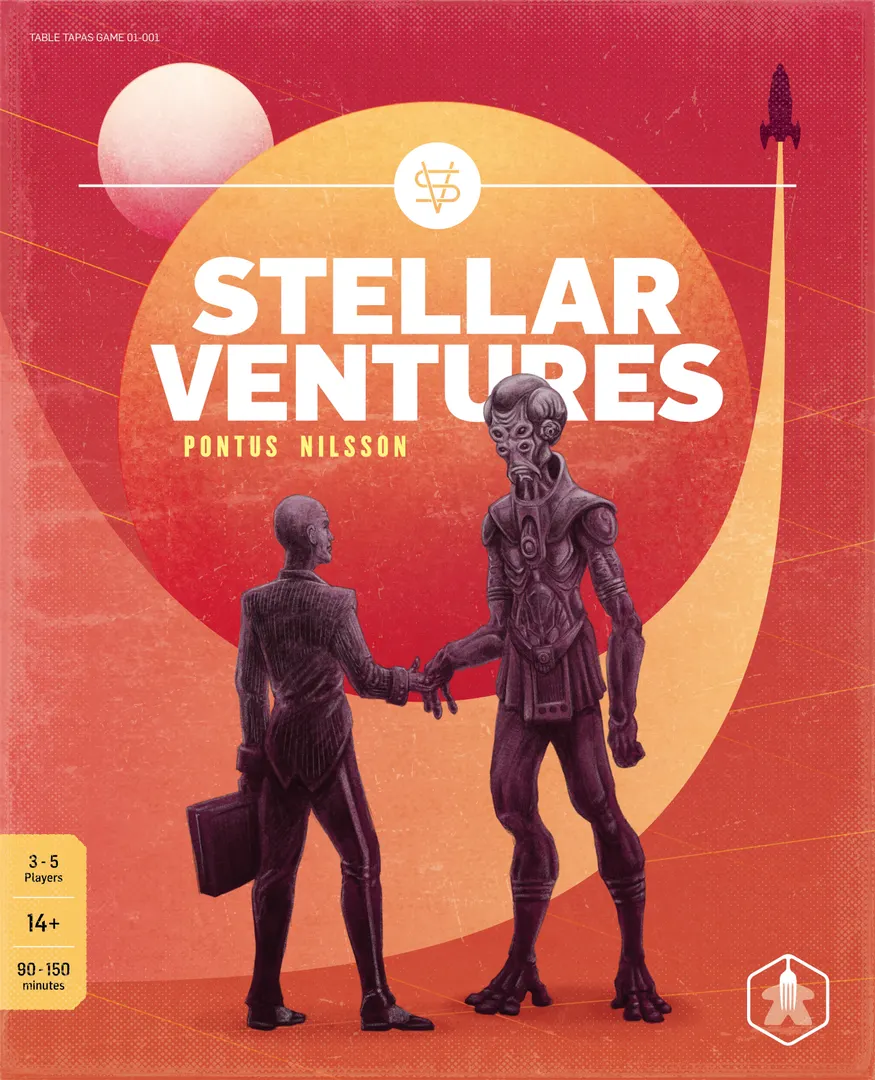





Auf Englisch
From the Publisher: Noble House is a game based on the novel by James Clavell. In this game, players take the part of the Tai-Pans of major corporations doing business in Hong Kong in the early 1960's, as portrayed in the Clavell book. Each player is head of a large business conglomerate and is striving to be the most influential and powerful leader in the Hong Kong business community. The route to power lies in the manipulations of the stock market, banks, and holding companies, and other typical corporate skull duggery. Synopsis of play: During a turn, players draw event cards, which can be used in many ways to affect one's own future, or the future of an opponent. Players then buy and sell stocks on a volatile stock market, which can fluctuate due to purchase and sale of stocks, failed contracts, or even loss of face (bad faith deals). Contracts are then announced, and if a player has sufficient assets, and can maintain those assets, lots of money can be made. Unfulfilled contracts go up for a general bid amongst the players. Players can then attempt to acquire loans from 3 Hong Kong banks, but, if the Bank Directors, or their proxies, so vote, a player can simply be denied a loan. Furthermore, bank directors, in the person of voting cards held by players, can call in outstanding loans, which must be immediately paid. Players now purchase various assets, such as airlines, railroads, shipping lines, industry, land, and human services, which the player must have to fulfill contractual obligations. Players can buy their own assets, or even lease them from other players. All possible wheeling and dealing is allowed, and no one is ever required to keep his or her end of a bargain. Lastly, if a player's stock falls far enough, and they have been unfortunate enough to lose enough of their own "voting" stock, they can be voted out of the game, which will end the game at the end of that phase. Otherwise, the game ends on the turn when the last event card is drawn.
Laut Katalog unterstützt James Clavell's Noble House 2–5 Personen. Diese Spanne entspricht der vom Verlag angegebenen Spielerzahl, das Spiel lässt sich also für jede Gruppengröße innerhalb dieser Spanne aufbauen. Aufbau, einzelne Regeln und Wertungsdetails können je nach Personenzahl trotzdem abweichen; prüfe daher die genaue Konfiguration in der Anleitung deiner Ausgabe.
Die angegebene Spieldauer für James Clavell's Noble House beträgt 180 Minuten. Das ist die Schätzung des Verlags für eine vollständige Partie. Die tatsächliche Dauer hängt von der Gruppe, der Personenzahl und der Regelkenntnis ab: Erste Partien dauern meist länger, erfahrene Gruppen sind oft schneller fertig. Aufbau und Regelerklärung sind in dieser Schätzung nicht enthalten.
Im Katalog wird James Clavell's Noble House ab 12 Jahren empfohlen. Das ist die Empfehlung des Verlags und berücksichtigt Leseanforderungen, Regelkomplexität und Kleinteile, nicht nur das Thema. Jüngere Kinder können oft mit Hilfe eines Erwachsenen mitspielen; beachte die Altersangabe deiner Ausgabe und die Brettspielerfahrung deiner Gruppe.
James Clavell's Noble House hat bei BoardGameGeek eine Komplexitätswertung von 2,7 von 5 und gilt damit als eher leichtes Spiel. Die Wertung zeigt, wie viel Regelwissen, Planung und Entscheidungen eine typische Partie verlangt. Schwerere Spiele brauchen bei der ersten Erklärung mehr Zeit, daher hilft vor dem Spieleabend eine Vorbereitungsanleitung.
James Clavell's Noble House gehört zu diesen Kategorien: Economic, Negotiation und Novel-based. Die wichtigsten Mechaniken sind Trading, Auction / Bidding und Commodity Speculation. Kategorien beschreiben Thema und Setting eines Spiels, Mechaniken dagegen, was die Spielenden in ihrem Zug tatsächlich tun. Jede Mechanik führt zu einer Katalogseite mit ähnlichen Spielen, falls du etwas Vergleichbares suchst.
Als Autoren von James Clavell's Noble House sind angegeben: L. Ross Babcock, III. Diese Angaben stammen aus den veröffentlichten Spieldaten und nennen die für das Spieldesign verantwortlichen Personen, nicht die Illustratoren oder Verlage. Die Autorenseiten auf MeepleRules sammeln weitere Titel derselben Autoren – praktisch, wenn dir ein Spiel gefällt und du ähnliche Spiele suchst.
Im Katalog ist James Clavell's Noble House als Grundspiel aufgeführt. Es lässt sich eigenständig mit dem Material aus der Schachtel spielen und benötigt keinen weiteren Titel. Erweiterungen, sofern es welche gibt, ergänzen neues Material oder neue Regeln und sind im Katalog separat mit einem Verweis auf dieses Grundspiel aufgeführt.