
- BGG-Rang
- BGG #16.031
- BGG-Bewertung
- 6,8
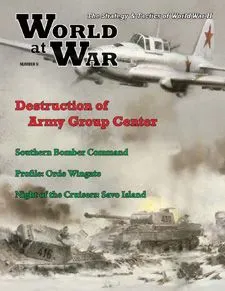
Destruction of Army Group Center (Second Edition)
- 2 Spieler
- 180 Min.
- Komplexität 2,3/5
- 2009

2018
Regelhilfe für Last Stand at Isandlwana, 22 January 1879
Verständliche Erklärungen zu Spielzügen, Karteneffekten und strittigen Situationen mit Verweisen auf offizielle Quellen und gespeichertem Fragenverlauf.
Für 2 Personen
Was möchtest du wissen?
Antworten stammen aus dem offiziellen Regelheft, mit Seitenangabe zum Nachprüfen.
Last Stand at Isandlwana, 22 January 1879 ist ein Brettspiel aus dem Jahr 2018 für 2 Personen. Entwickelt wurde es von Ty Bomba; die wichtigsten Mechaniken sind Dice Rolling, Grid Movement und Hexagon Grid.





Auf Englisch
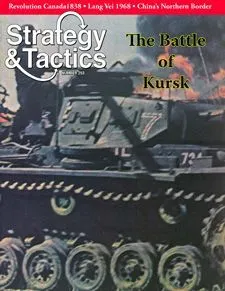
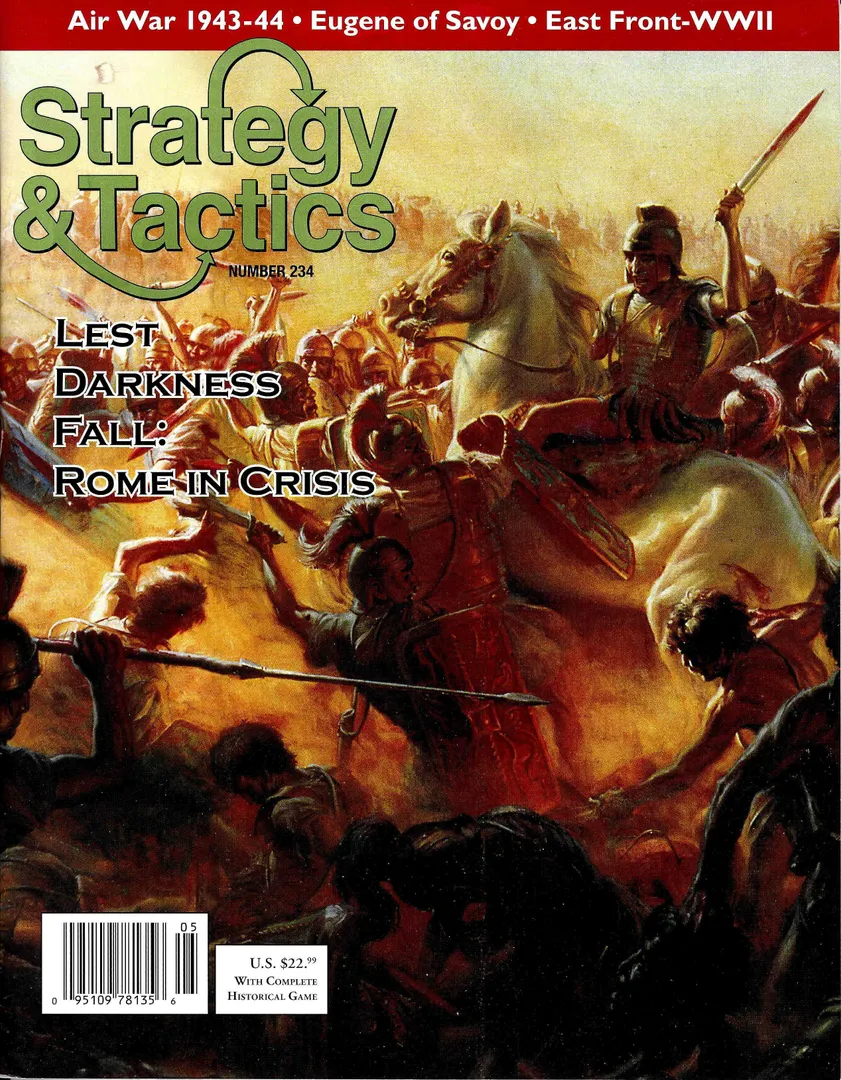
Last Stand at Isandlwana, 22 January 1879 is a two-player tactical wargame of low-intermediate complexity simulating the last 90 to 240 minutes of that infamous and legendary battle of the Anglo-Zulu War. The Zulu player is on the offensive, attempting to wipe out the entire British force on the map as quickly as possible. The British is attempting to win by having some remnant hold out longer than occurred historically or, alternatively, by having some portion of his command escape off the map and get back to relative safety at Roarke’s drift. Solitaire-play is easily doable. Each game turn of Last Stand is equal to five to 20 minutes of “real time,” depending on the tempo of action in each turn. Each hexagon on the 22x34” map represents 217 yards (200 meters) from side to opposite side. There are 176 5/8” counters with each British unit-counter representing a company or a “detachment” of infantry. On the Zulu side, they individual units each represent temporary battlefield agglomerations of the about 100 to 200 warriors. Magazine: Strategy & Tactics #314
Laut Katalog unterstützt Last Stand at Isandlwana, 22 January 1879 2 Personen. Das ist die vom Verlag angegebene Spielerzahl, das Spiel ist also genau für diese Anzahl von Mitspielenden ausgelegt. Varianten für andere Gruppengrößen sind, sofern vorhanden, in der Anleitung deiner Ausgabe beschrieben; prüfe sie, bevor du eine andere Konfiguration aufbaust.
Last Stand at Isandlwana, 22 January 1879 hat bei BoardGameGeek eine Komplexitätswertung von 2,0 von 5 und gilt damit als eher leichtes Spiel. Die Wertung zeigt, wie viel Regelwissen, Planung und Entscheidungen eine typische Partie verlangt. Schwerere Spiele brauchen bei der ersten Erklärung mehr Zeit, daher hilft vor dem Spieleabend eine Vorbereitungsanleitung.
Last Stand at Isandlwana, 22 January 1879 gehört zu diesen Kategorien: Wargame und Post-Napoleonic. Die wichtigsten Mechaniken sind Dice Rolling, Grid Movement und Hexagon Grid. Kategorien beschreiben Thema und Setting eines Spiels, Mechaniken dagegen, was die Spielenden in ihrem Zug tatsächlich tun. Jede Mechanik führt zu einer Katalogseite mit ähnlichen Spielen, falls du etwas Vergleichbares suchst.
Als Autoren von Last Stand at Isandlwana, 22 January 1879 sind angegeben: Ty Bomba. Diese Angaben stammen aus den veröffentlichten Spieldaten und nennen die für das Spieldesign verantwortlichen Personen, nicht die Illustratoren oder Verlage. Die Autorenseiten auf MeepleRules sammeln weitere Titel derselben Autoren – praktisch, wenn dir ein Spiel gefällt und du ähnliche Spiele suchst.
Im Katalog ist Last Stand at Isandlwana, 22 January 1879 als Grundspiel aufgeführt. Es lässt sich eigenständig mit dem Material aus der Schachtel spielen und benötigt keinen weiteren Titel. Erweiterungen, sofern es welche gibt, ergänzen neues Material oder neue Regeln und sind im Katalog separat mit einem Verweis auf dieses Grundspiel aufgeführt.