
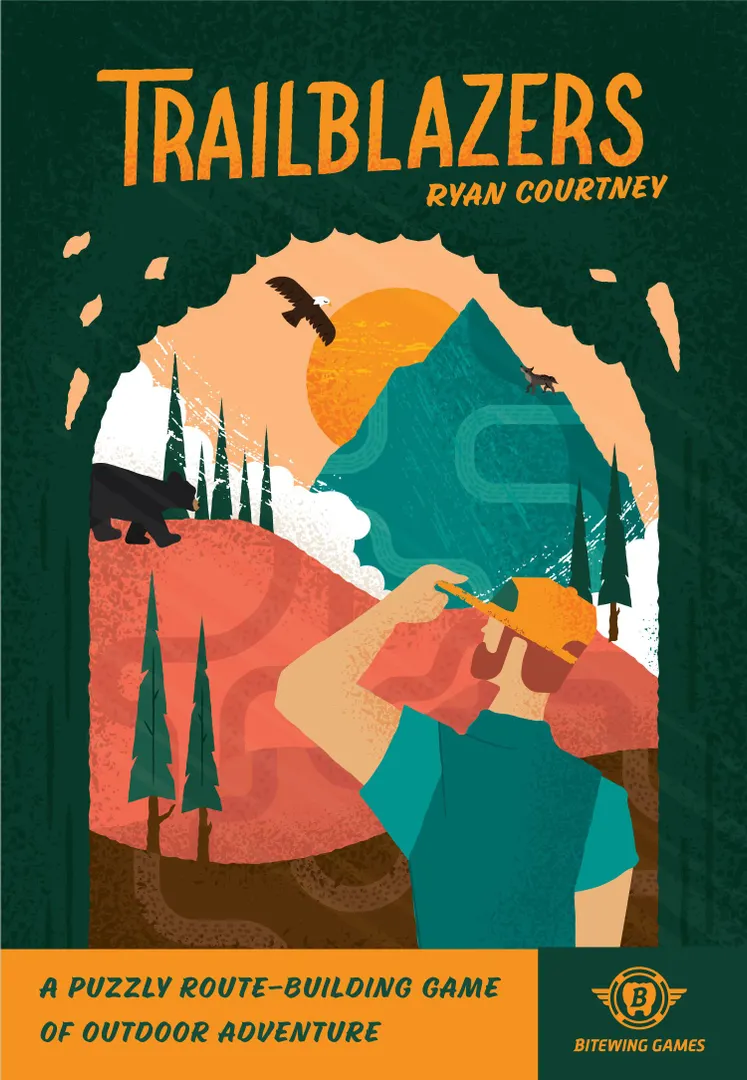
- BGG-Rang
- BGG #2.063
- BGG-Bewertung
- 7,0
Trailblazers
- 1–8 Spieler
- 30 Min.
- Komplexität 1,8/5
- 2023

2026
Regelhilfe für Last Week of Summer
Verständliche Erklärungen zu Spielzügen, Karteneffekten und strittigen Situationen mit Verweisen auf offizielle Quellen und gespeichertem Fragenverlauf.
Für 1 Person
Was möchtest du wissen?
Antworten stammen aus dem offiziellen Regelheft, mit Seitenangabe zum Nachprüfen.
Last Week of Summer ist ein Brettspiel aus dem Jahr 2026 für 1–4 Personen, mit 45–90 Minuten pro Partie und ab 14 Jahren. Entwickelt wurde es von Shawn Hoult; die wichtigsten Mechaniken sind Hand Management, Race und Set Collection.







Auf Englisch
It’s the summer of 1986, you just graduated high school and you have one more week of summer before it’s time to head off to the real world. Last Week Of Summer combines turn programming and worker placement with a variety of mini games. Each game, players set up their town using 4 or 5 of the possible locations: Pick up a movie at the Video Store, get high scores at the Arcade, grab some Fast Food, hang at the U-Mart, get the coolest (but not too cool) albums at the Music Store, or learn some tricks at the Skatepark. Each of these locations links 80's theme to a classic mechanism - set collection, tile placement, market manipulation, mancala, push your luck, dice rolling, and more. Players plan their day and then simultaneously move from place to place as they compete to make friends with the coolest kids in town, get invited to the best parties, and complete location specific goals. As you complete goals you make memories by placing cassettes on locations (these represent the songs that bring you back to those summer days). Whoever has the most cassettes at the end of the week is the winner. —description from the designer
Laut Katalog unterstützt Last Week of Summer 1–4 Personen. Diese Spanne entspricht der vom Verlag angegebenen Spielerzahl, das Spiel lässt sich also für jede Gruppengröße innerhalb dieser Spanne aufbauen. Aufbau, einzelne Regeln und Wertungsdetails können je nach Personenzahl trotzdem abweichen; prüfe daher die genaue Konfiguration in der Anleitung deiner Ausgabe.
Die angegebene Spieldauer für Last Week of Summer beträgt 45–90 Minuten. Das ist die Schätzung des Verlags für eine vollständige Partie. Die tatsächliche Dauer hängt von der Gruppe, der Personenzahl und der Regelkenntnis ab: Erste Partien dauern meist länger, erfahrene Gruppen sind oft schneller fertig. Aufbau und Regelerklärung sind in dieser Schätzung nicht enthalten.
Im Katalog wird Last Week of Summer ab 14 Jahren empfohlen. Das ist die Empfehlung des Verlags und berücksichtigt Leseanforderungen, Regelkomplexität und Kleinteile, nicht nur das Thema. Jüngere Kinder können oft mit Hilfe eines Erwachsenen mitspielen; beachte die Altersangabe deiner Ausgabe und die Brettspielerfahrung deiner Gruppe.
Last Week of Summer hat bei BoardGameGeek eine Komplexitätswertung von 2,5 von 5 und gilt damit als eher leichtes Spiel. Die Wertung zeigt, wie viel Regelwissen, Planung und Entscheidungen eine typische Partie verlangt. Schwerere Spiele brauchen bei der ersten Erklärung mehr Zeit, daher hilft vor dem Spieleabend eine Vorbereitungsanleitung.
Last Week of Summer gehört zu diesen Kategorien: Card Game, Movies / TV / Radio theme und Sports. Die wichtigsten Mechaniken sind Hand Management, Race und Set Collection. Kategorien beschreiben Thema und Setting eines Spiels, Mechaniken dagegen, was die Spielenden in ihrem Zug tatsächlich tun. Jede Mechanik führt zu einer Katalogseite mit ähnlichen Spielen, falls du etwas Vergleichbares suchst.
Als Autoren von Last Week of Summer sind angegeben: Shawn Hoult. Diese Angaben stammen aus den veröffentlichten Spieldaten und nennen die für das Spieldesign verantwortlichen Personen, nicht die Illustratoren oder Verlage. Die Autorenseiten auf MeepleRules sammeln weitere Titel derselben Autoren – praktisch, wenn dir ein Spiel gefällt und du ähnliche Spiele suchst.
Im Katalog ist Last Week of Summer als Grundspiel aufgeführt. Es lässt sich eigenständig mit dem Material aus der Schachtel spielen und benötigt keinen weiteren Titel. Erweiterungen, sofern es welche gibt, ergänzen neues Material oder neue Regeln und sind im Katalog separat mit einem Verweis auf dieses Grundspiel aufgeführt.