
- BGG-Rang
- BGG #13.804
- BGG-Bewertung
- 8,1
La Garde Avance!
- 2 Spieler
- 60–90 Min.
- Komplexität 2,4/5
- 2022
2016
Regelhilfe für Ligny & Wavre 1815: The Empire's Last Victories
Verständliche Erklärungen zu Spielzügen, Karteneffekten und strittigen Situationen mit Verweisen auf offizielle Quellen und gespeichertem Fragenverlauf.
Für 2 Personen
Was möchtest du wissen?
Antworten stammen aus dem offiziellen Regelheft, mit Seitenangabe zum Nachprüfen.
Ligny & Wavre 1815: The Empire's Last Victories ist ein Brettspiel aus dem Jahr 2016 für 2 Personen und mit 120–600 Minuten pro Partie. Entwickelt wurde es von Frédéric Bey; die wichtigsten Mechaniken sind Dice Rolling, Hexagon Grid und Simulation.

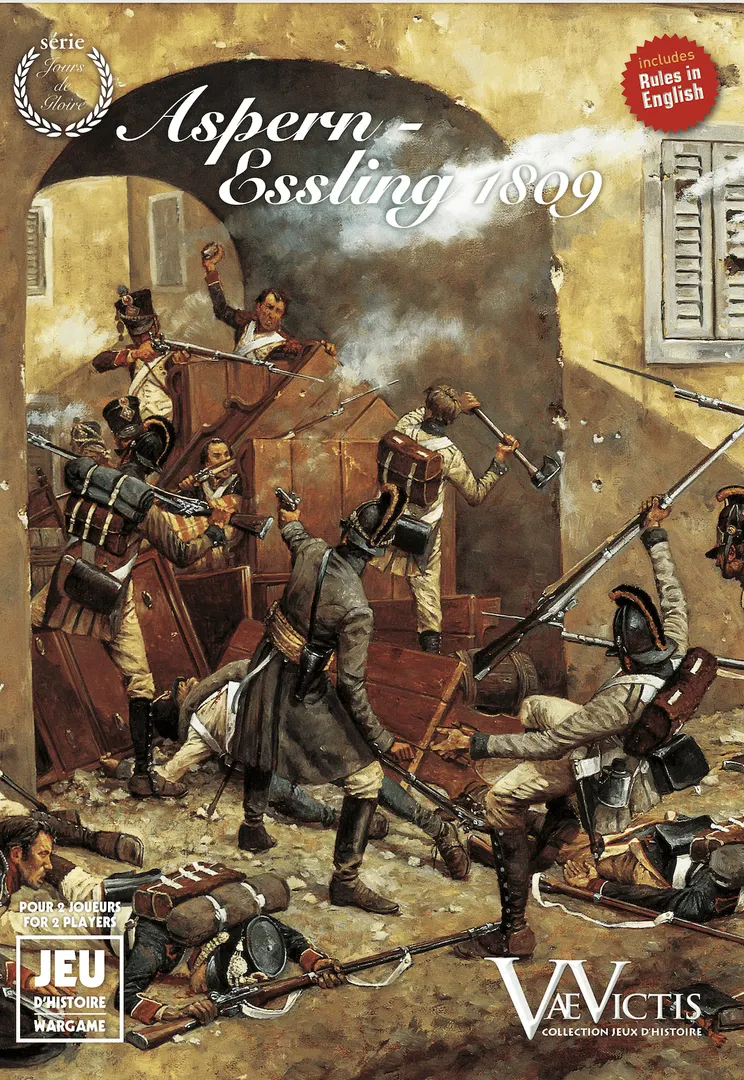
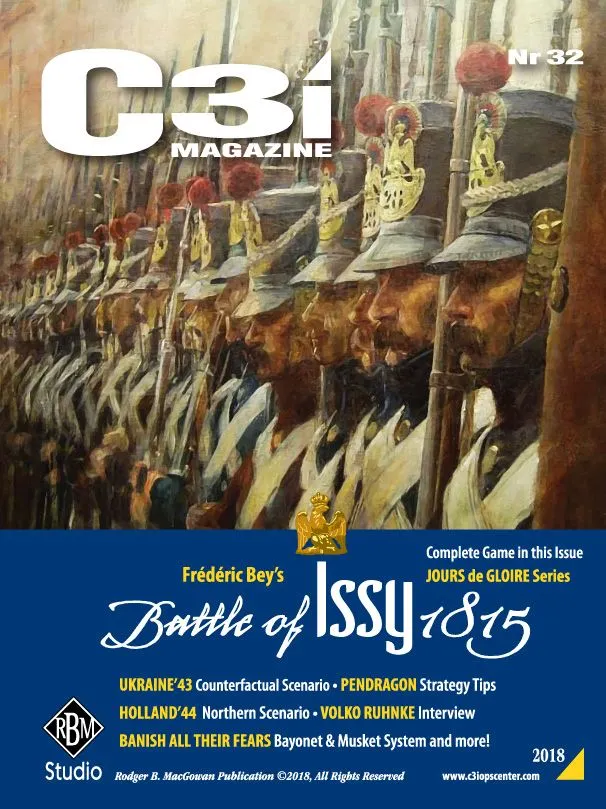
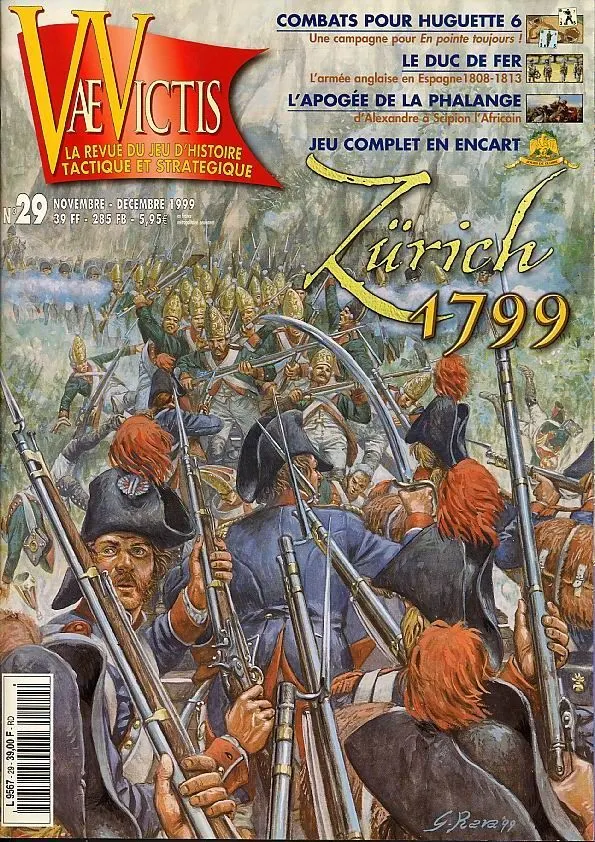
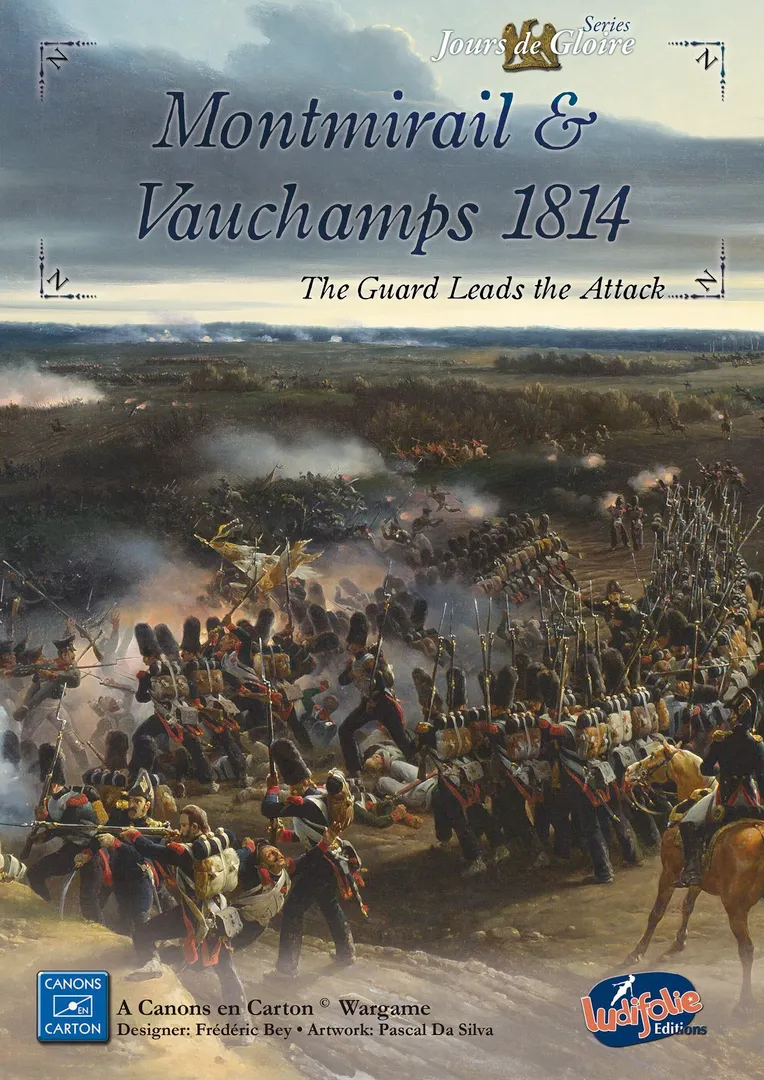
Auf Englisch
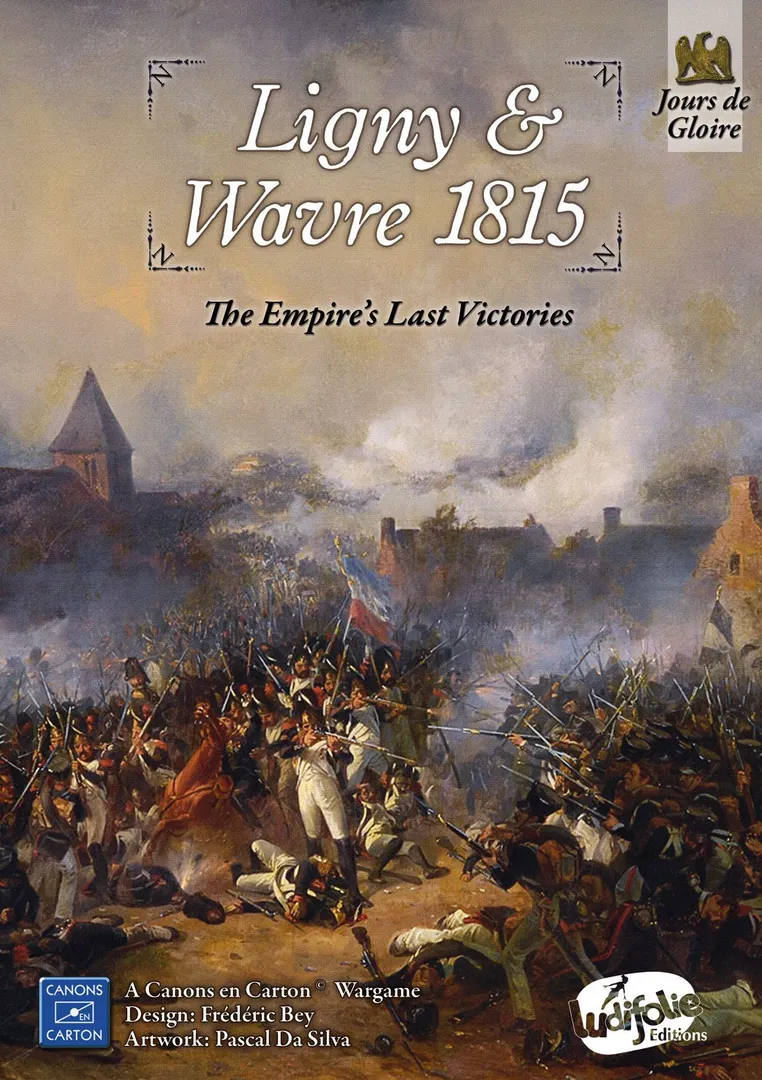
Ligny and Wavre 1815 is a complete game in the Jours de Gloire series. It covers the battles which occurred on June 16th, 18th and 19th, during Napoléon’s offensive in Belgium against the armies of Wellington and Blücher. Ligny 1815 is the last victory of Napoleon: with his Armée du Nord, the Emperor attacks Blücher’s Prussians and inflicts them a severe defeat. But the the bulk of the Prussian army survived and went on to play a pivotal role two days later at Waterloo Wavre 1815 shows the two days useless fights of Grouchy corps against Thielmann, when, at the same time, Napoleon was decisivly beated at Waterloo. An additionnal scenario features a « what if Grouchy have been abble to reinforce Napoleon at Waterloo? ». It requires the Les Quatre-Bras and Waterloo 1815 module to be played. Ligny, June 16th 1815: Napoleon vs. Blücher Wavre, June 18th and June 19th 1815: Grouchy vs. Thielmann Ligny 1815 and Wavre 1815 are the 42nd and 43rd battles of the Jours de Gloire series.
Laut Katalog unterstützt Ligny & Wavre 1815: The Empire's Last Victories 2 Personen. Das ist die vom Verlag angegebene Spielerzahl, das Spiel ist also genau für diese Anzahl von Mitspielenden ausgelegt. Varianten für andere Gruppengrößen sind, sofern vorhanden, in der Anleitung deiner Ausgabe beschrieben; prüfe sie, bevor du eine andere Konfiguration aufbaust.
Die angegebene Spieldauer für Ligny & Wavre 1815: The Empire's Last Victories beträgt 120–600 Minuten. Das ist die Schätzung des Verlags für eine vollständige Partie. Die tatsächliche Dauer hängt von der Gruppe, der Personenzahl und der Regelkenntnis ab: Erste Partien dauern meist länger, erfahrene Gruppen sind oft schneller fertig. Aufbau und Regelerklärung sind in dieser Schätzung nicht enthalten.
Ligny & Wavre 1815: The Empire's Last Victories hat bei BoardGameGeek eine Komplexitätswertung von 3,8 von 5 und gilt damit als schweres Spiel. Die Wertung zeigt, wie viel Regelwissen, Planung und Entscheidungen eine typische Partie verlangt. Schwerere Spiele brauchen bei der ersten Erklärung mehr Zeit, daher hilft vor dem Spieleabend eine Vorbereitungsanleitung.
Ligny & Wavre 1815: The Empire's Last Victories gehört zu diesen Kategorien: Wargame und Napoleonic. Die wichtigsten Mechaniken sind Dice Rolling, Hexagon Grid und Simulation. Kategorien beschreiben Thema und Setting eines Spiels, Mechaniken dagegen, was die Spielenden in ihrem Zug tatsächlich tun. Jede Mechanik führt zu einer Katalogseite mit ähnlichen Spielen, falls du etwas Vergleichbares suchst.
Als Autoren von Ligny & Wavre 1815: The Empire's Last Victories sind angegeben: Frédéric Bey. Diese Angaben stammen aus den veröffentlichten Spieldaten und nennen die für das Spieldesign verantwortlichen Personen, nicht die Illustratoren oder Verlage. Die Autorenseiten auf MeepleRules sammeln weitere Titel derselben Autoren – praktisch, wenn dir ein Spiel gefällt und du ähnliche Spiele suchst.
Im Katalog ist Ligny & Wavre 1815: The Empire's Last Victories als Grundspiel aufgeführt. Es lässt sich eigenständig mit dem Material aus der Schachtel spielen und benötigt keinen weiteren Titel. Erweiterungen, sofern es welche gibt, ergänzen neues Material oder neue Regeln und sind im Katalog separat mit einem Verweis auf dieses Grundspiel aufgeführt.