
- BGG-Rang
- BGG #7.736
- BGG-Bewertung
- 7,1
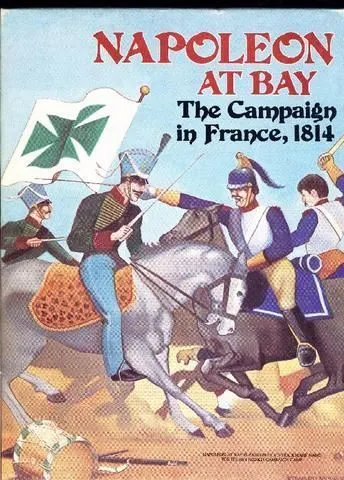
Napoleon at Bay: The Campaign in France, 1814
- 2 Spieler
- 180 Min.
- Komplexität 3,5/5
- 1978
2015
Regelhilfe für Napoleon Against Russia
Verständliche Erklärungen zu Spielzügen, Karteneffekten und strittigen Situationen mit Verweisen auf offizielle Quellen und gespeichertem Fragenverlauf.
Für 2 Personen
Was möchtest du wissen?
Antworten stammen aus dem offiziellen Regelheft, mit Seitenangabe zum Nachprüfen.
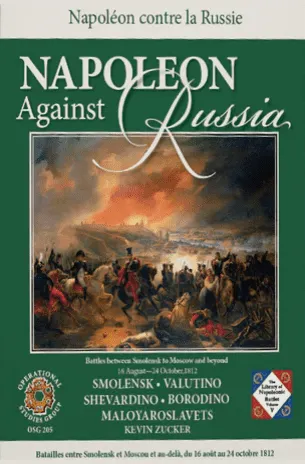
Napoleon Against Russia ist ein Brettspiel aus dem Jahr 2015 für 2–4 Personen, mit 180 Minuten pro Partie und ab 12 Jahren. Entwickelt wurde es von Kevin Zucker; die wichtigsten Mechaniken sind Hexagon Grid und Simulation.

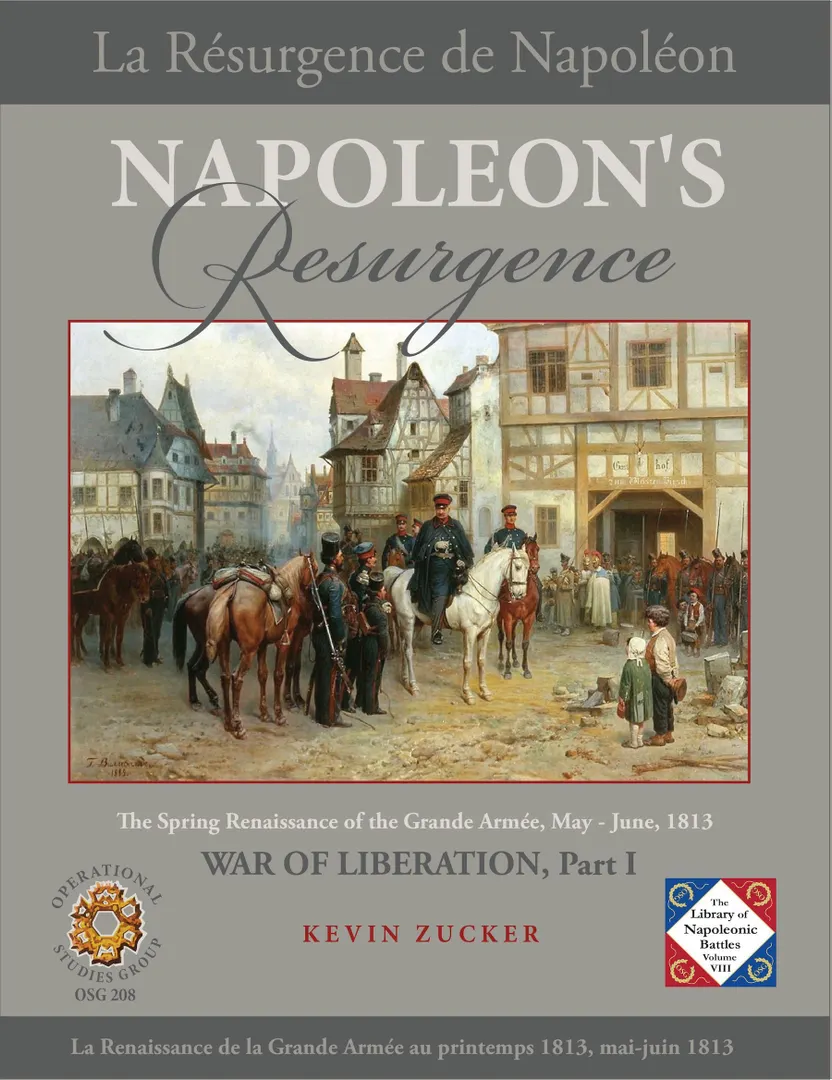
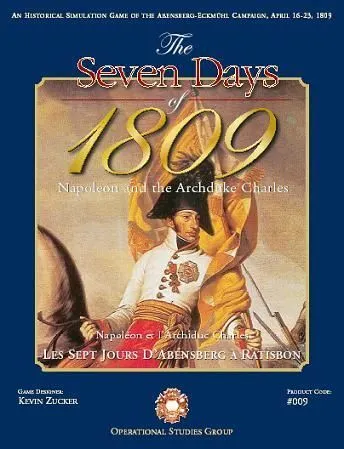
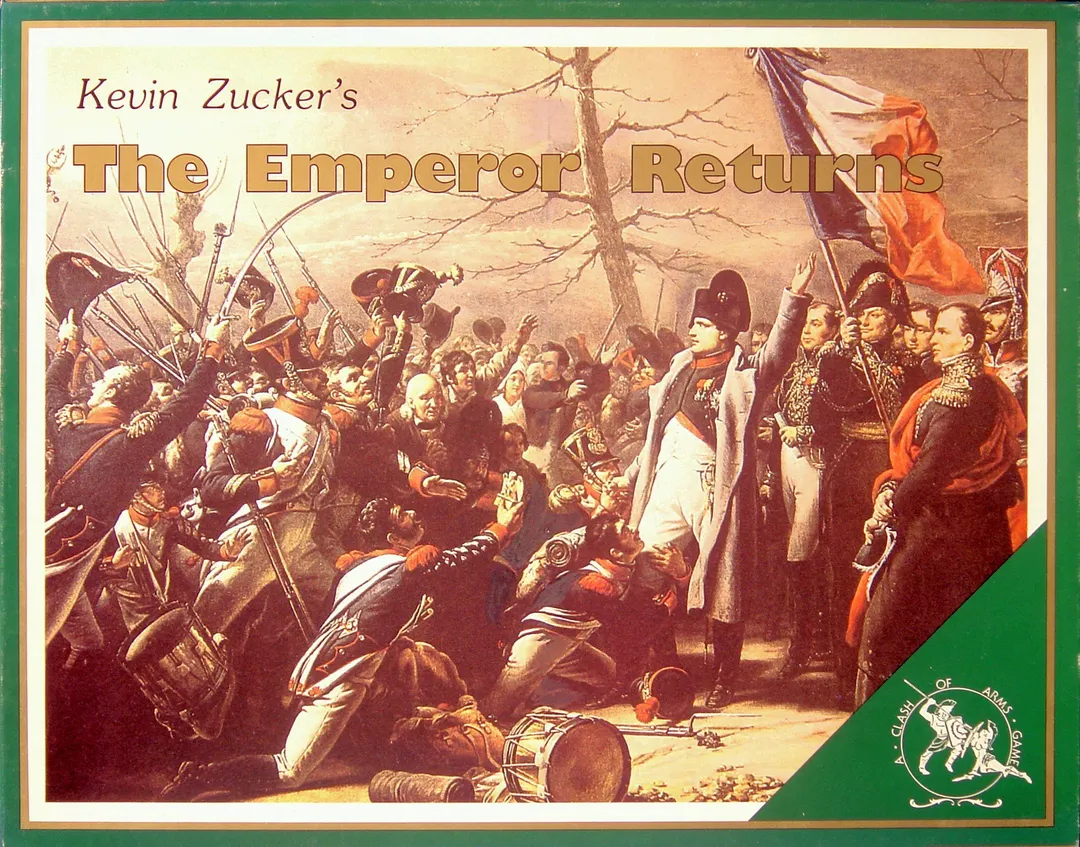
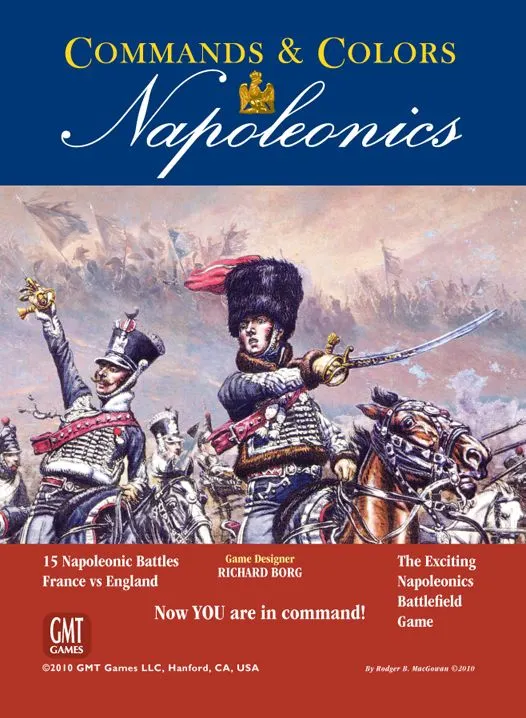
Auf Englisch
Napoleon Against Russia - From Smolensk to Moscow and beyond August 16-October 24, 1812 contains five battles from the critical phase of the Campaign, when the Russian Army finally gave Napoleon the decisive battles he so greatly desired. His first maneuver starts out well—with the French poised to slip into Smolensk behind the Russians. However, the opportunity to bring an end to the campaign will remain unfulfilled. After that, Moscow became the default destination of the Grande Armée. As Napoleon stated, “The wine has been poured and must now be drunk." Napoleon against Russia is one of the games from OSG's THE LIBRARY OF NAPOLEONIC BATTLES series. Details on the series are below, as all the games share a common rules set and game system. BATTLES SIMULATED: Smolensk, A Battle Postponed, 16-17 August When he recognized that the enemy had withdrawn into the city, the Emperor’s plan was stymied. He either had to seize Smolensk on the 16th, without waiting for the arrival of the entire army, or cross the Dneiper River east of Smolensk. Instead he waited for the Russians to make a mistake, and gave them time to pull out along the Moscow road. Valutino, Rearguard Action, 18 August When the Russians did give him an opportunity to catch the First Army disunited after a confused night march, Napoleon had already returned to Smolensk, expecting nothing more than a rearguard action. Hence he was not on the scene to coordinate the actions of his Marshals, who, left to themselves, were unable to crystallize a victory out of the opportunity. Shevardino, Fight for the Redoubt, 5-6 September The preliminary battle opened with the arrival of the French cavalry who immediate attacked Konovnytsyn. On the 6th, more French forces arrived including the IV Corps and the Polish Corps. The French captured the Shevardino redoubt at a cost of 4,000–5,000 French and 6,000 Russian casualties. Borodino, The Russian Army is Saved, 7-8 September In the climactic battle, Napoleon has been criticized for making a simple frontal assault. With our large map the French player will have plenty of maneuver room to try and outflank the Russian army to the south, or even to the north. He will also have the option of attacking the north flank as Kutusov expected. Maloyaroslavets, The Retreat Goes Awry, 23-24 October Trying to secure a bridge over the Luzha River, the Italians of Eugene's IV Corps lost about 5,000 and the Russians about 6,000 men as the town changed hands eight times. Except for Davout, all the French marshals advocated a return to the main highway to Smolensk, through the depleted zone, a detour that doomed the Army. DESCRIPTION Series: The Library of Napoleonic Battles (OSG) - formerly known as the Napoleon's Last Battles (NLB) Series: 480 meters per hex, 1 hour per turn, 400-800 men per strength point. Each Approach to Battle game lasts about 22 turns. The Full campaign links the individual battles. (Text from the OSG pages)
Laut Katalog unterstützt Napoleon Against Russia 2–4 Personen. Diese Spanne entspricht der vom Verlag angegebenen Spielerzahl, das Spiel lässt sich also für jede Gruppengröße innerhalb dieser Spanne aufbauen. Aufbau, einzelne Regeln und Wertungsdetails können je nach Personenzahl trotzdem abweichen; prüfe daher die genaue Konfiguration in der Anleitung deiner Ausgabe.
Die angegebene Spieldauer für Napoleon Against Russia beträgt 180 Minuten. Das ist die Schätzung des Verlags für eine vollständige Partie. Die tatsächliche Dauer hängt von der Gruppe, der Personenzahl und der Regelkenntnis ab: Erste Partien dauern meist länger, erfahrene Gruppen sind oft schneller fertig. Aufbau und Regelerklärung sind in dieser Schätzung nicht enthalten.
Im Katalog wird Napoleon Against Russia ab 12 Jahren empfohlen. Das ist die Empfehlung des Verlags und berücksichtigt Leseanforderungen, Regelkomplexität und Kleinteile, nicht nur das Thema. Jüngere Kinder können oft mit Hilfe eines Erwachsenen mitspielen; beachte die Altersangabe deiner Ausgabe und die Brettspielerfahrung deiner Gruppe.
Napoleon Against Russia hat bei BoardGameGeek eine Komplexitätswertung von 3,1 von 5 und gilt damit als mittelschweres Spiel. Die Wertung zeigt, wie viel Regelwissen, Planung und Entscheidungen eine typische Partie verlangt. Schwerere Spiele brauchen bei der ersten Erklärung mehr Zeit, daher hilft vor dem Spieleabend eine Vorbereitungsanleitung.
Napoleon Against Russia gehört zu diesen Kategorien: Wargame und Napoleonic. Die wichtigsten Mechaniken sind Hexagon Grid und Simulation. Kategorien beschreiben Thema und Setting eines Spiels, Mechaniken dagegen, was die Spielenden in ihrem Zug tatsächlich tun. Jede Mechanik führt zu einer Katalogseite mit ähnlichen Spielen, falls du etwas Vergleichbares suchst.
Als Autoren von Napoleon Against Russia sind angegeben: Kevin Zucker. Diese Angaben stammen aus den veröffentlichten Spieldaten und nennen die für das Spieldesign verantwortlichen Personen, nicht die Illustratoren oder Verlage. Die Autorenseiten auf MeepleRules sammeln weitere Titel derselben Autoren – praktisch, wenn dir ein Spiel gefällt und du ähnliche Spiele suchst.
Im Katalog ist Napoleon Against Russia als Grundspiel aufgeführt. Es lässt sich eigenständig mit dem Material aus der Schachtel spielen und benötigt keinen weiteren Titel. Erweiterungen, sofern es welche gibt, ergänzen neues Material oder neue Regeln und sind im Katalog separat mit einem Verweis auf dieses Grundspiel aufgeführt.