
- BGG-Bewertung
- 7,9
Pharaon: Conflits
- 1–5 Spieler
- Komplexität 2,8/5
- 2021
2019
Regelhilfe für Pharaon
Verständliche Erklärungen zu Spielzügen, Karteneffekten und strittigen Situationen mit Verweisen auf offizielle Quellen und gespeichertem Fragenverlauf.
Für 1 Person
Was möchtest du wissen?
Antworten stammen aus dem offiziellen Regelheft, mit Seitenangabe zum Nachprüfen.
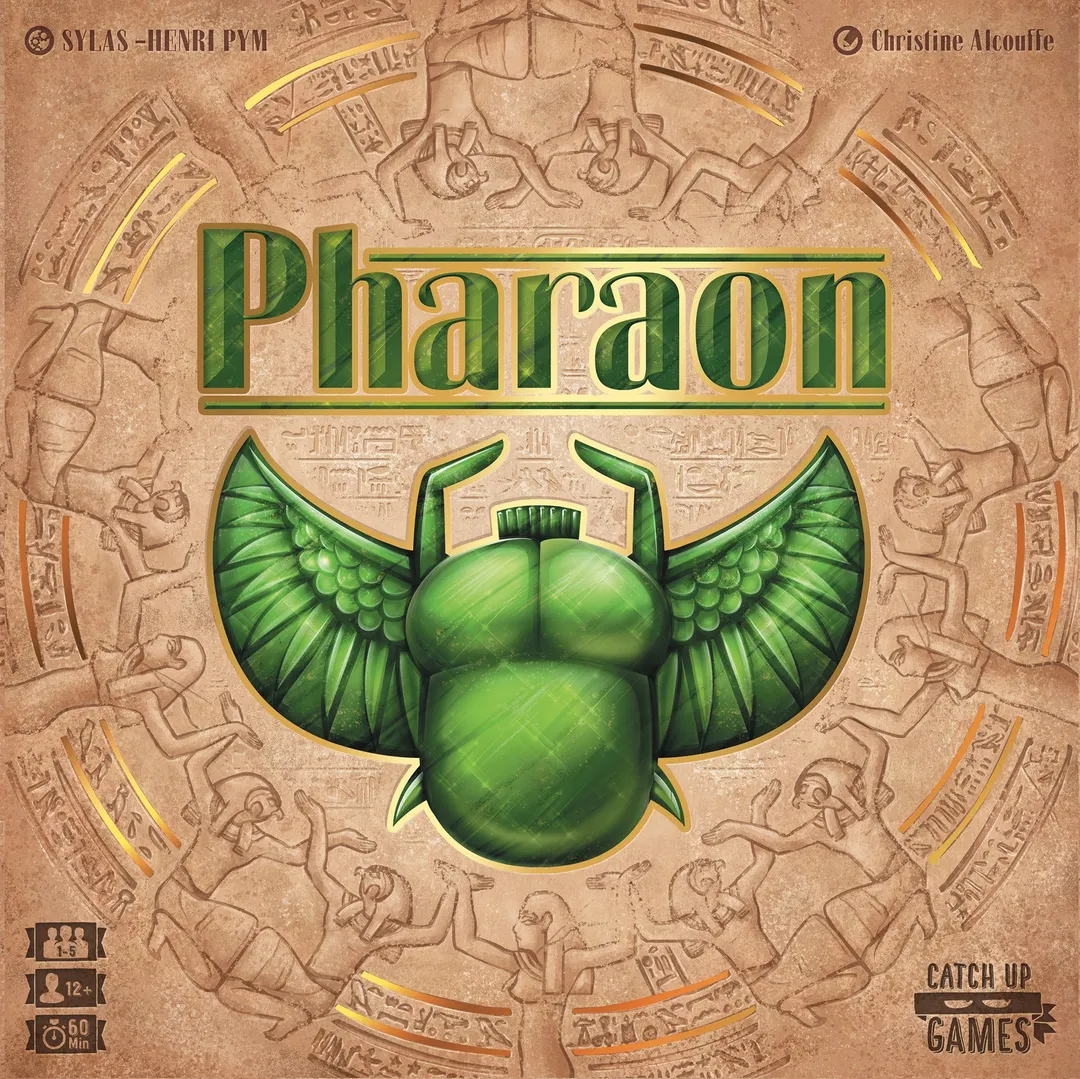
Pharaon ist ein Brettspiel aus dem Jahr 2019 für 1–5 Personen, mit 30–75 Minuten pro Partie und ab 12 Jahren. Entwickelt wurde es von Henri Pym und Sylas; die wichtigsten Mechaniken sind Variable Player Powers, Variable Set-up und Modular Board.



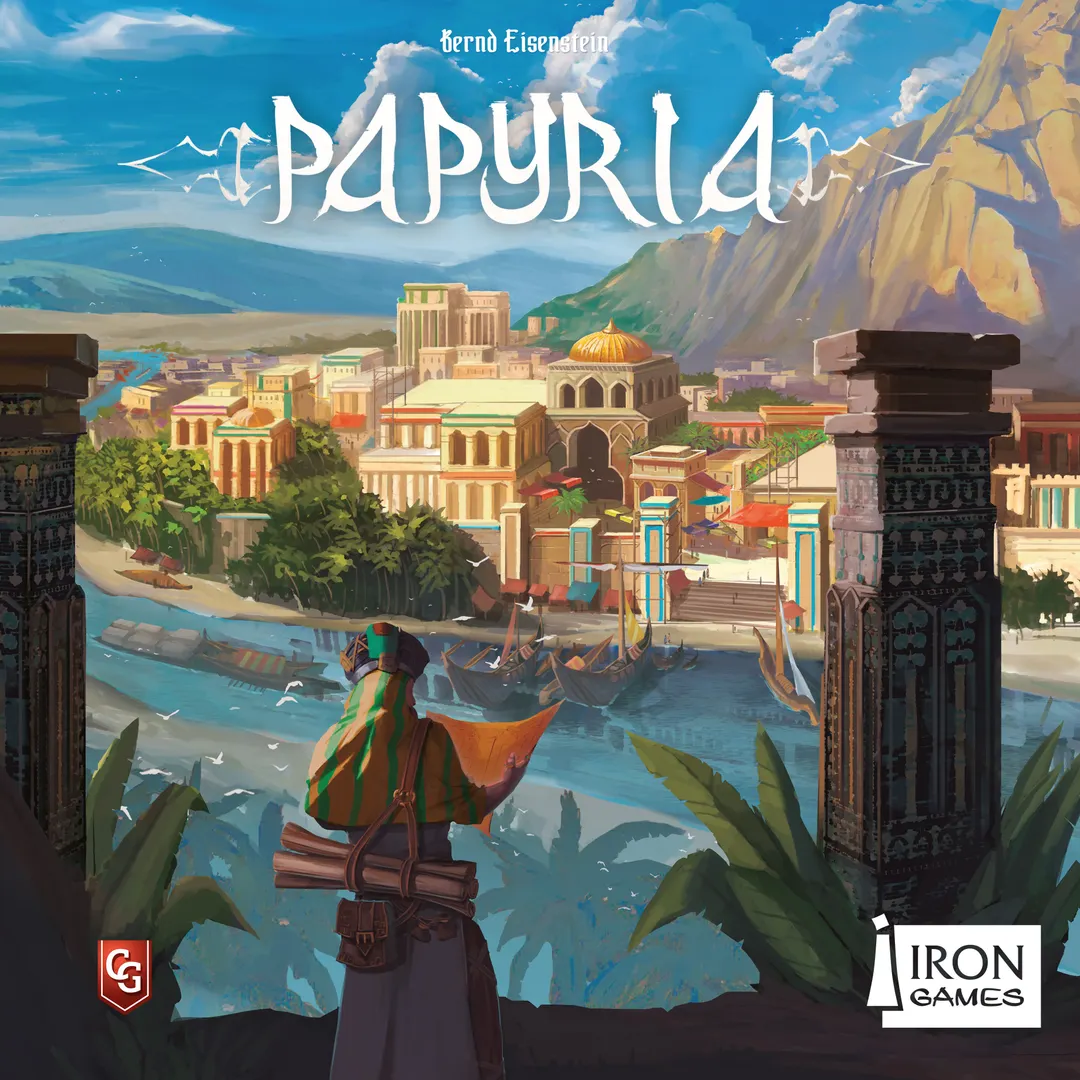


Auf Englisch
You are one of Pharaoh’s children. Like your brothers and sisters, you will spend a huge part of your life preparing for your journey towards the Afterlife. Getting the support of loyal nobles and talented artisans, building a magnificent burial chamber, making offerings to the Gods… here are the main tasks set for you. But the gods are looking at you and you will have to do your best in order to satisfy their demands. Each of your actions will be judged during the weighing of your heart. Pharaon is a game mixing resource management and worker placement into a single mechanism, thanks to its Wheel of Actions. It is located at the center of the gameboard, surrounded by 5 areas, representing the 5 actions featured in the game. Each round, the Wheel indicates which resource has to be spent for accessing the matching action. As the wheel rotates from one segment by the end of each of the 5 rounds, this access cost to actions fluctuates throughout the game. As a consequence, players have to plan their actions, anticipating which resources they may need for the next round. But there are a limited amount of available spots on the wheel, forcing you to watch your opponents, which resources they have, and what they may intend. How to play ? A game of Pharaon is played in 5 rounds, during which the players take turns one after the other, until everyone has passed. On their turn, a player performs one of the 5 actions on the board. The actions can provide Prestige Points (PP), determining who wins at the end of the game, but they can also help getting new resources for further turns. To be allowed to perform an action, the player has to pay its Access cost, by spending the resource indicated by the Wheel of Actions for the area in which they want to act. They then pay the Action Cost by spending the corresponding resources. The resource spent on the Wheel to access this area gets deducted from the Action Cost, if it can match. So, it is useful to anticipate the rotation of the Wheel for taking the actions at their best cost. But there is a limit on how many times an action can be performed, and your opponents may need the same as you. Moreover, the game will be closely watched by the Gods. You will have to fulfill as many of their demands as possible to get their support and some extra PP. —description from the publisher
Laut Katalog unterstützt Pharaon 1–5 Personen. Diese Spanne entspricht der vom Verlag angegebenen Spielerzahl, das Spiel lässt sich also für jede Gruppengröße innerhalb dieser Spanne aufbauen. Aufbau, einzelne Regeln und Wertungsdetails können je nach Personenzahl trotzdem abweichen; prüfe daher die genaue Konfiguration in der Anleitung deiner Ausgabe.
Die angegebene Spieldauer für Pharaon beträgt 30–75 Minuten. Das ist die Schätzung des Verlags für eine vollständige Partie. Die tatsächliche Dauer hängt von der Gruppe, der Personenzahl und der Regelkenntnis ab: Erste Partien dauern meist länger, erfahrene Gruppen sind oft schneller fertig. Aufbau und Regelerklärung sind in dieser Schätzung nicht enthalten.
Im Katalog wird Pharaon ab 12 Jahren empfohlen. Das ist die Empfehlung des Verlags und berücksichtigt Leseanforderungen, Regelkomplexität und Kleinteile, nicht nur das Thema. Jüngere Kinder können oft mit Hilfe eines Erwachsenen mitspielen; beachte die Altersangabe deiner Ausgabe und die Brettspielerfahrung deiner Gruppe.
Pharaon hat bei BoardGameGeek eine Komplexitätswertung von 2,7 von 5 und gilt damit als eher leichtes Spiel. Die Wertung zeigt, wie viel Regelwissen, Planung und Entscheidungen eine typische Partie verlangt. Schwerere Spiele brauchen bei der ersten Erklärung mehr Zeit, daher hilft vor dem Spieleabend eine Vorbereitungsanleitung.
Pharaon gehört zu diesen Kategorien: Economic und Ancient. Die wichtigsten Mechaniken sind Variable Player Powers, Variable Set-up und Modular Board. Kategorien beschreiben Thema und Setting eines Spiels, Mechaniken dagegen, was die Spielenden in ihrem Zug tatsächlich tun. Jede Mechanik führt zu einer Katalogseite mit ähnlichen Spielen, falls du etwas Vergleichbares suchst.
Als Autoren von Pharaon sind angegeben: Henri Pym und Sylas. Diese Angaben stammen aus den veröffentlichten Spieldaten und nennen die für das Spieldesign verantwortlichen Personen, nicht die Illustratoren oder Verlage. Die Autorenseiten auf MeepleRules sammeln weitere Titel derselben Autoren – praktisch, wenn dir ein Spiel gefällt und du ähnliche Spiele suchst.
Im Katalog ist Pharaon als Grundspiel aufgeführt. Es lässt sich eigenständig mit dem Material aus der Schachtel spielen und benötigt keinen weiteren Titel. Erweiterungen, sofern es welche gibt, ergänzen neues Material oder neue Regeln und sind im Katalog separat mit einem Verweis auf dieses Grundspiel aufgeführt.