

- BGG-Bewertung
- 7,4
Risk Legacy: Bonus Cards
- 3–5 Spieler
- 60 Min.
- Komplexität 2,0/5
- 2011

2011
Regelhilfe für Risk Legacy
Verständliche Erklärungen zu Spielzügen, Karteneffekten und strittigen Situationen mit Verweisen auf offizielle Quellen und gespeichertem Fragenverlauf.
Für 3 Personen
Was möchtest du wissen?
Antworten stammen aus dem offiziellen Regelheft, mit Seitenangabe zum Nachprüfen.
Risk Legacy ist ein Brettspiel aus dem Jahr 2011 für 3–5 Personen, mit 60 Minuten pro Partie und ab 13 Jahren. Entwickelt wurde es von Rob Daviau und Chris Dupuis; die wichtigsten Mechaniken sind Variable Player Powers, Player Elimination und Area Movement.


Auf Englisch
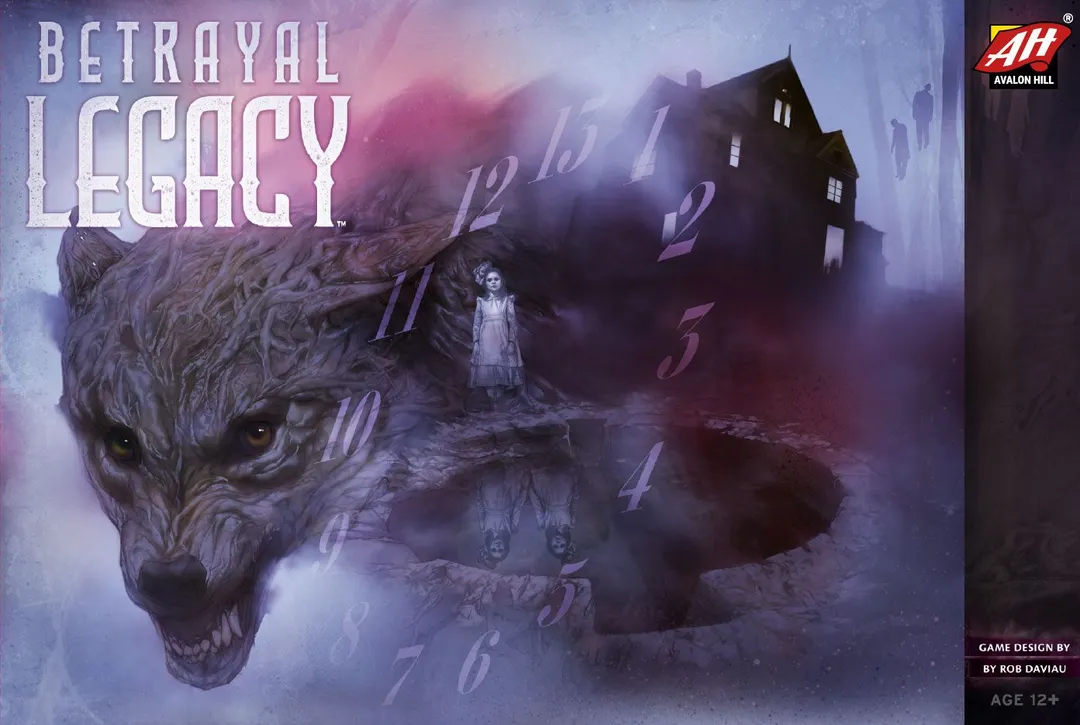
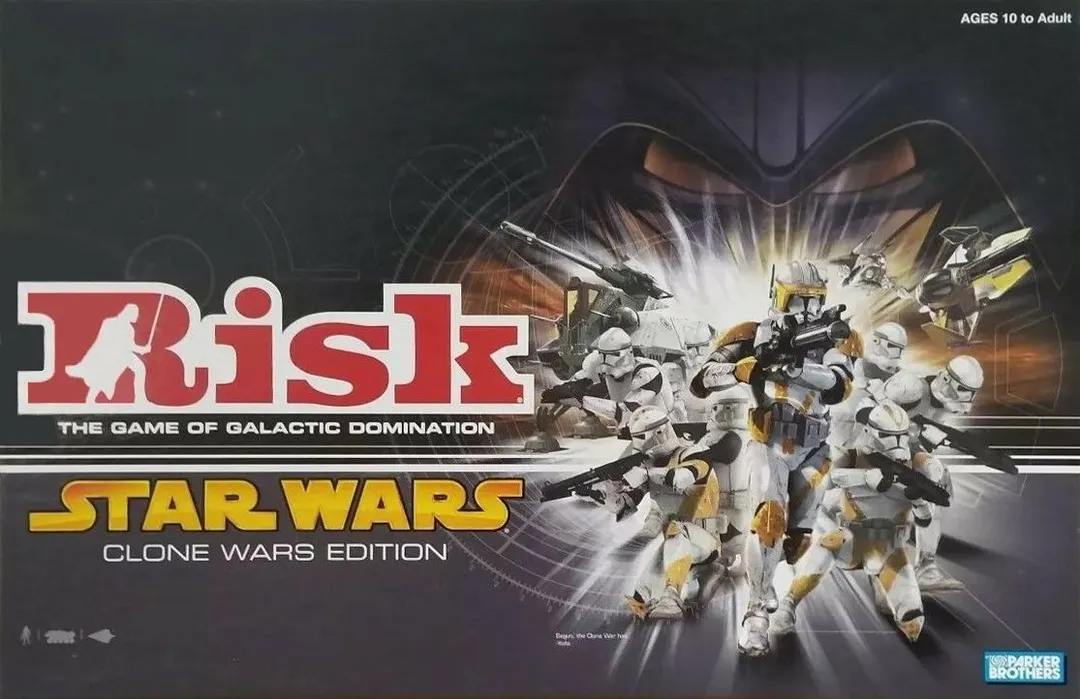
This description is spoiler free, containing nothing outside the initial rulebook for the game. Details on why this is important in the description. Risk Legacy represents what is if not a new, at least a rare concept to boardgaming: campaigning. At its core, the game, particularly at first, plays much like regular Risk with a few changes. Players control countries or regions on a map of the world, and through simple combat (with players rolling dice to determine who loses units in each battle) they try to eliminate all opponents from the game board or control a certain number of "red stars", otherwise known as victory points (VPs). What's different is that Risk Legacy' changes over time based on the outcome of each game and the various choices made by players. In each game, players choose one of five factions; each faction has uniquely shaped pieces, and more importantly, different rules. At the start of the first game, each of these factions gains the ability to break one minor rule, such as the ability to move troops at any time during your turn, as opposed to only at the end. What makes this game unique is that when powers are chosen, players must choose one of their faction's two powers, affix that power's sticker to their faction card, then destroy the card that has the other rule on it – and by destroy, the rules mean what they say: "If a card is DESTROYED, it is removed from the game permanently. Rip it up. Throw it in the trash." This key concept permeates through the game. Some things you do in a game will affect it temporarily, while others will affect it permanently. These changes may include boosting the resources of a country (for recruiting troops in lieu of the older "match three symbols" style of recruiting), adding bonuses or penalties to defending die rolls to countries, or adding permanent continent troop bonuses that may affect all players. The rule book itself is also designed to change as the game continues, with blocks of blank space on the pages to allow for rules additions or changes. Entire sections of rules will not take effect until later in the game. The game box contains different sealed packages and compartments, each with a written condition for opening. The rule book indicates that these contain the rule additions, additional faction powers, and other things that should not be discussed here for spoiler protection. The winner of each of the first 15 games receives a "major bonus," such as founding a major city (which only he will be allowed to start on in future games), deleting a permanent modifier from the board, destroying a country card (preventing it from providing any resources towards purchasing troops in future games), changing a continent troop bonus, or naming a continent, which gives that player a troop bonus in future games. Players who did not win but were not eliminated are allowed to make minor changes to the world, such as founding a minor city or adding resources to a country. It should be noted that although cards are ripped up over the course of the game, there are so many cards added via the sealed packages, that the game does not suffer. Nor is this a "disposable" game, merely a customized one. The game can continue to change beyond the 15 game campaign, and even when it finally does stop changing, you still have a copy of Risk that is completely unique. Initial games take approximately 30-90 minutes to play, which includes a brief rules explanation and setup.
Laut Katalog unterstützt Risk Legacy 3–5 Personen. Diese Spanne entspricht der vom Verlag angegebenen Spielerzahl, das Spiel lässt sich also für jede Gruppengröße innerhalb dieser Spanne aufbauen. Aufbau, einzelne Regeln und Wertungsdetails können je nach Personenzahl trotzdem abweichen; prüfe daher die genaue Konfiguration in der Anleitung deiner Ausgabe.
Die angegebene Spieldauer für Risk Legacy beträgt 60 Minuten. Das ist die Schätzung des Verlags für eine vollständige Partie. Die tatsächliche Dauer hängt von der Gruppe, der Personenzahl und der Regelkenntnis ab: Erste Partien dauern meist länger, erfahrene Gruppen sind oft schneller fertig. Aufbau und Regelerklärung sind in dieser Schätzung nicht enthalten.
Im Katalog wird Risk Legacy ab 13 Jahren empfohlen. Das ist die Empfehlung des Verlags und berücksichtigt Leseanforderungen, Regelkomplexität und Kleinteile, nicht nur das Thema. Jüngere Kinder können oft mit Hilfe eines Erwachsenen mitspielen; beachte die Altersangabe deiner Ausgabe und die Brettspielerfahrung deiner Gruppe.
Risk Legacy hat bei BoardGameGeek eine Komplexitätswertung von 2,6 von 5 und gilt damit als eher leichtes Spiel. Die Wertung zeigt, wie viel Regelwissen, Planung und Entscheidungen eine typische Partie verlangt. Schwerere Spiele brauchen bei der ersten Erklärung mehr Zeit, daher hilft vor dem Spieleabend eine Vorbereitungsanleitung.
Risk Legacy gehört zu diesen Kategorien: Wargame und Science Fiction. Die wichtigsten Mechaniken sind Variable Player Powers, Player Elimination und Area Movement. Kategorien beschreiben Thema und Setting eines Spiels, Mechaniken dagegen, was die Spielenden in ihrem Zug tatsächlich tun. Jede Mechanik führt zu einer Katalogseite mit ähnlichen Spielen, falls du etwas Vergleichbares suchst.
Als Autoren von Risk Legacy sind angegeben: Rob Daviau und Chris Dupuis. Diese Angaben stammen aus den veröffentlichten Spieldaten und nennen die für das Spieldesign verantwortlichen Personen, nicht die Illustratoren oder Verlage. Die Autorenseiten auf MeepleRules sammeln weitere Titel derselben Autoren – praktisch, wenn dir ein Spiel gefällt und du ähnliche Spiele suchst.
Im Katalog ist Risk Legacy als Grundspiel aufgeführt. Es lässt sich eigenständig mit dem Material aus der Schachtel spielen und benötigt keinen weiteren Titel. Erweiterungen, sofern es welche gibt, ergänzen neues Material oder neue Regeln und sind im Katalog separat mit einem Verweis auf dieses Grundspiel aufgeführt.