
- BGG-Rang
- BGG #5.799
- BGG-Bewertung
- 6,0
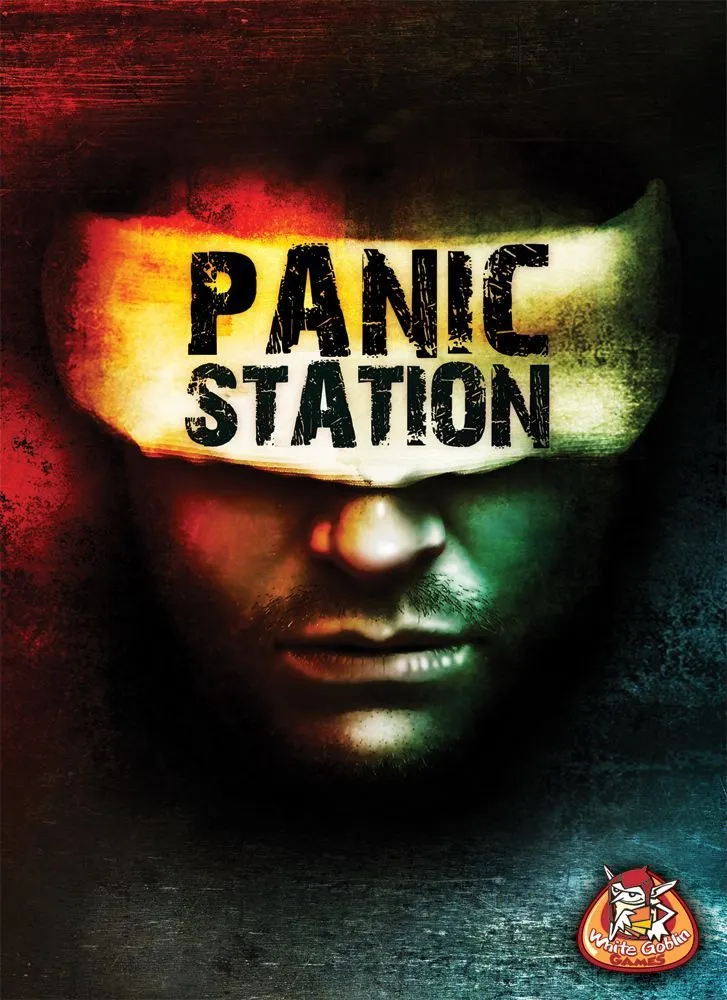
Panic Station
- 4–6 Spieler
- 40 Min.
- Komplexität 2,3/5
- 2011
2013
Regelhilfe für Rogue Agent
Verständliche Erklärungen zu Spielzügen, Karteneffekten und strittigen Situationen mit Verweisen auf offizielle Quellen und gespeichertem Fragenverlauf.
Für 1 Person
Was möchtest du wissen?
Antworten stammen aus dem offiziellen Regelheft, mit Seitenangabe zum Nachprüfen.
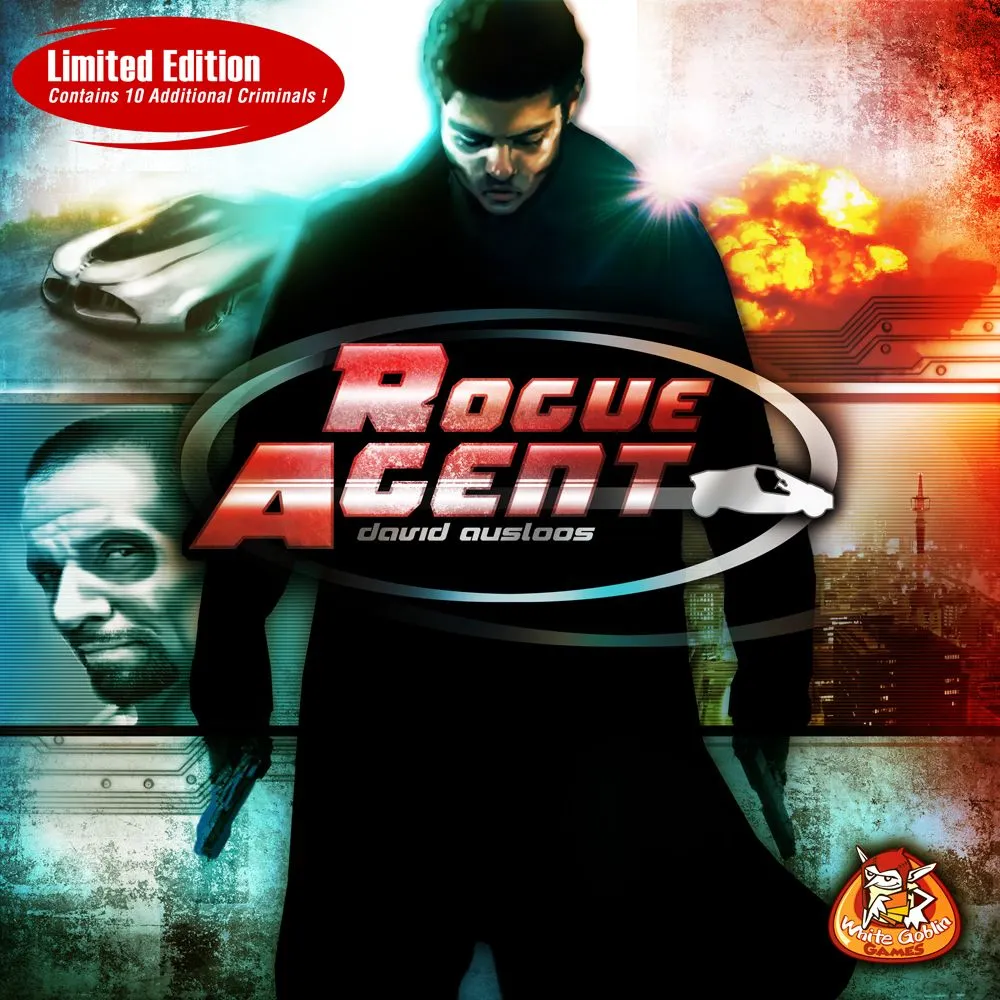
Rogue Agent ist ein Brettspiel aus dem Jahr 2013 für 1–4 Personen, mit 90 Minuten pro Partie und ab 12 Jahren. Entwickelt wurde es von David Ausloos; die wichtigsten Mechaniken sind Area Movement, Dice Rolling und Modular Board.



Auf Englisch
2048, Earth: The corrupt government has lost grip on Rain City, a brooding metropolis where crime runs amok despite the patrolling police squads. This desperate battle has recently seen a new player, a secret Agency of Bounty Hunters, attempting to control the endless assaults on inner city life. Your task: Defeat and arrest criminals, defuse high-tech bombs that threaten to destroy city districts, and prevent assassins from completing their destructive path. You are one of the members of this secretive brotherhood of justice. So...are you ready to survive the crime waves in the big city and uncover the infiltrating androids amongst your team that plan a revolt? Rogue Agent is a tense cyberpunk adventure game that pitches players against underground networks. The game features detailed plastic miniatures, a large variety of unique criminals to defeat, special icon-driven custom dice, and two different game play modes. In Rogue Agent, players control an agent working for the shady corporation known as "The Agency", created to control Rain City's crime rate, which has rapidly outpaced the capabilities of the regular police force. Players win the game by obtaining the most power over the city in a race against the game system that creates a living city in which crime and other challenges await at every corner. Each round consists of an action phase, which is preceded by an upkeep phase. During this action phase, players score power by successfully eliminating assassins, turning in crime bosses, and defusing high-tech bombs that threaten to destroy whole districts. Through investigation of city areas, players gather resources that will be vital for survival. Positioning collaborators in the different locations of the city aids agents in overcoming confrontations with local thugs. Meanwhile, the city police squad is hot on your trail, hoping to contain the illegal side jobs that agents are known for. The Agency, however, has its own air defenses it can call in for support. Players can scout locations in search for valuable resources that will help them upgrade their abilities, to get more control over the challenges in the game. As the game develops, agents can upgrade their vehicle, weapon and scout abilities as well as gather information about the true identities of other agents. There might be traitors within the Agency. Some of you might be android agents, secretly planning a revolt. Through careful investigation, players can gather intelligence about the true identity of other players. As the game progresses, traitors amongst the agents could be revealed in the form of androids. These agents have access to new victory conditions – destroying key locations holding information about android production and eliminating human agents – in a deadly race for control of the city. The first player to reach eight power wins. Rogue Agent is a fast-playing, easy-to-learn adventure, resource management, and risk management game using fun, streamlined icon-driven custom dice mechanisms. The Living City System creates a dynamic board with characters and challenges in constant motion, creating unique situations with each play and making Rain City come alive on your gaming table. No trip to Rain City will be the same!
Laut Katalog unterstützt Rogue Agent 1–4 Personen. Diese Spanne entspricht der vom Verlag angegebenen Spielerzahl, das Spiel lässt sich also für jede Gruppengröße innerhalb dieser Spanne aufbauen. Aufbau, einzelne Regeln und Wertungsdetails können je nach Personenzahl trotzdem abweichen; prüfe daher die genaue Konfiguration in der Anleitung deiner Ausgabe.
Die angegebene Spieldauer für Rogue Agent beträgt 90 Minuten. Das ist die Schätzung des Verlags für eine vollständige Partie. Die tatsächliche Dauer hängt von der Gruppe, der Personenzahl und der Regelkenntnis ab: Erste Partien dauern meist länger, erfahrene Gruppen sind oft schneller fertig. Aufbau und Regelerklärung sind in dieser Schätzung nicht enthalten.
Im Katalog wird Rogue Agent ab 12 Jahren empfohlen. Das ist die Empfehlung des Verlags und berücksichtigt Leseanforderungen, Regelkomplexität und Kleinteile, nicht nur das Thema. Jüngere Kinder können oft mit Hilfe eines Erwachsenen mitspielen; beachte die Altersangabe deiner Ausgabe und die Brettspielerfahrung deiner Gruppe.
Rogue Agent hat bei BoardGameGeek eine Komplexitätswertung von 2,3 von 5 und gilt damit als eher leichtes Spiel. Die Wertung zeigt, wie viel Regelwissen, Planung und Entscheidungen eine typische Partie verlangt. Schwerere Spiele brauchen bei der ersten Erklärung mehr Zeit, daher hilft vor dem Spieleabend eine Vorbereitungsanleitung.
Rogue Agent gehört zu diesen Kategorien: Dice, Adventure und Science Fiction. Die wichtigsten Mechaniken sind Area Movement, Dice Rolling und Modular Board. Kategorien beschreiben Thema und Setting eines Spiels, Mechaniken dagegen, was die Spielenden in ihrem Zug tatsächlich tun. Jede Mechanik führt zu einer Katalogseite mit ähnlichen Spielen, falls du etwas Vergleichbares suchst.
Als Autoren von Rogue Agent sind angegeben: David Ausloos. Diese Angaben stammen aus den veröffentlichten Spieldaten und nennen die für das Spieldesign verantwortlichen Personen, nicht die Illustratoren oder Verlage. Die Autorenseiten auf MeepleRules sammeln weitere Titel derselben Autoren – praktisch, wenn dir ein Spiel gefällt und du ähnliche Spiele suchst.
Im Katalog ist Rogue Agent als Grundspiel aufgeführt. Es lässt sich eigenständig mit dem Material aus der Schachtel spielen und benötigt keinen weiteren Titel. Erweiterungen, sofern es welche gibt, ergänzen neues Material oder neue Regeln und sind im Katalog separat mit einem Verweis auf dieses Grundspiel aufgeführt.