
- BGG-Rang
- BGG #1.779
- BGG-Bewertung
- 6,9
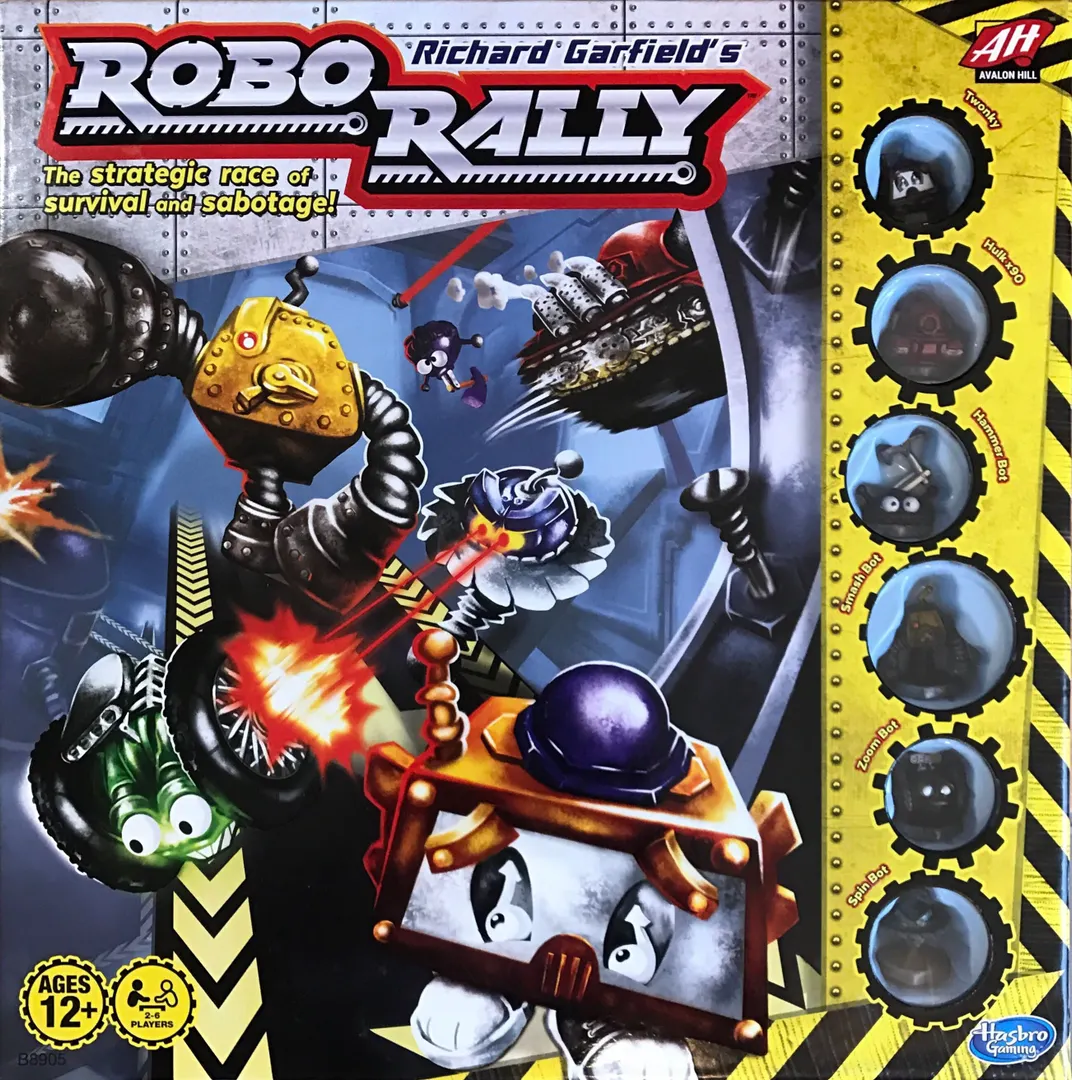
Robo Rally
- 2–6 Spieler
- 20–120 Min.
- Komplexität 2,4/5
- 2016
2020
Regelhilfe für Sea of Plunder
Verständliche Erklärungen zu Spielzügen, Karteneffekten und strittigen Situationen mit Verweisen auf offizielle Quellen und gespeichertem Fragenverlauf.
Für 2 Personen
Was möchtest du wissen?
Antworten stammen aus dem offiziellen Regelheft, mit Seitenangabe zum Nachprüfen.
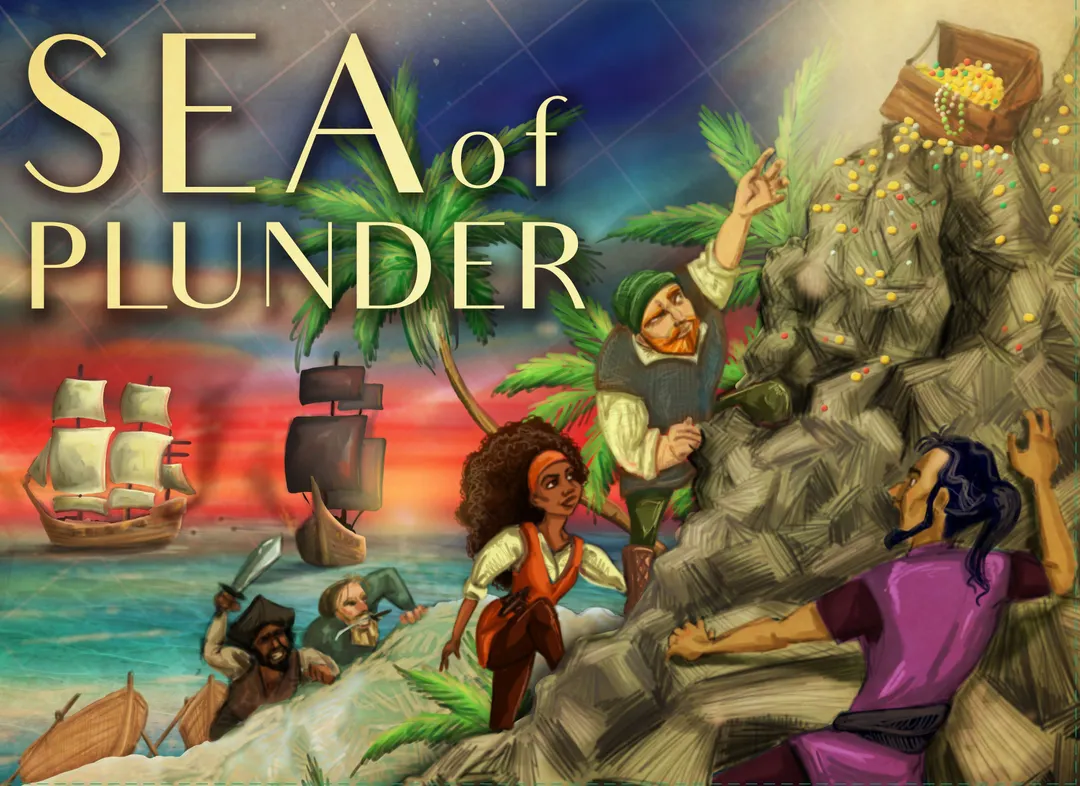
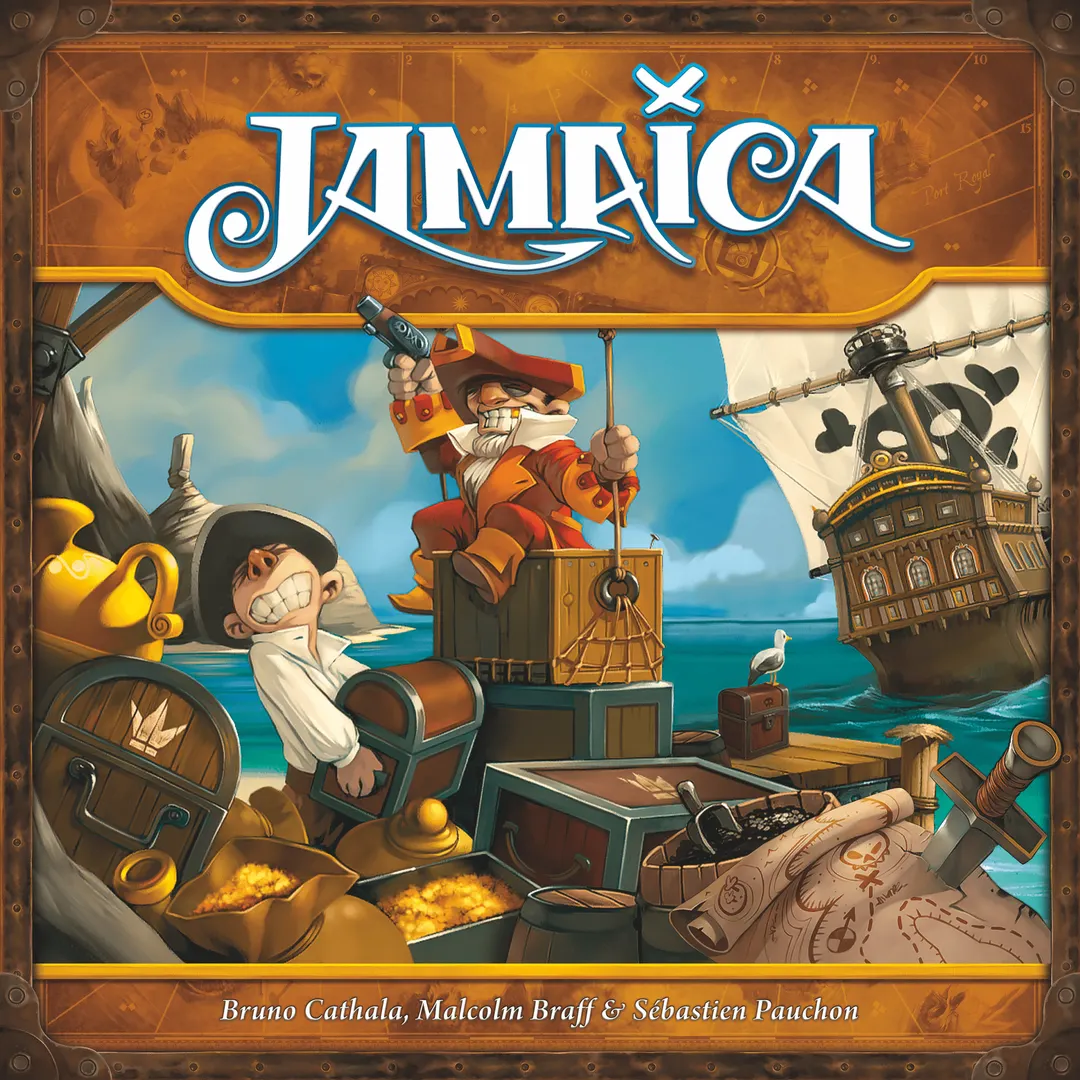
Sea of Plunder ist ein Brettspiel aus dem Jahr 2020 für 2–4 Personen, mit 30–60 Minuten pro Partie und ab 10 Jahren. Entwickelt wurde es von Rusty Lumpkin; die wichtigsten Mechaniken sind Variable Player Powers, Hand Management und Take That.




Auf Englisch
Kickstarter Link: https://bit.ly/Seaofplunderks Sail the Seas in search of fame and riches as a merchant ship captain trying to out maneuver his fellow merchants and the ruthless pirates! Sea of Plunder is a light weight strategy game about treasure hunting in which you are a merchant ship sailing across the endless sea, racing to get to mysterious treasure islands while at the same time gathering goods from port cities,dodging pirates, getting pushed around by hurricanes, and stealing cargo from the other merchants/treasure hunters! Scoring and Goal: Four things are taken into account for scoring at the end of the game. Treasures- The players can gather treasures from the mysterious treasure islands throughout the game. Goods-A second way is by collecting the unique goods that are produced at each of the port cities located on the 4 home islands. The goods are a set collection objective where you get more points for having multiple different types of goods. (this means that you have to travel to the multiple islands or trade with another merchant for them) Magical Compasses-A player is also awarded points at the end of the game for each "magical compass" that they possess. All the players are given these through out the game but they can also gain these in trades from other players. Debt-Each player is deducted points based on the amount of debt that they have gained throughout the game. A player will obtain debt any time that they come into contact with pirates and are unable to bribe them with a good. In this instance the pirates attach the ship and the player gains debt which represents the price that they had to pay for repairs The player with the total highest score wins. In the case of a tie, the player with the most magical compasses left wins. Game Play: Players take turns in clockwise fashion. They will draw two cards and add them to their hand. They then choose to play a card (a treasure map, port city, or action card) these will commonly affect the active player (Exceptions would include some action cards). The player then chooses to discard a card. The card discarded allows the player to choose a pirate on the map and move it accordingly Player Powers: Each player has a unique player power that allows for new strategies and replayability! Action Cards: Allow the player to preform more complex combos or implement some take that upon the other players. Event Cards: These are cards that are dispersed throughout the draw deck. When they appear they do not count as one of your draws or plays but they are played immediately and affect all players. Treasure Islands: The game starts with one treasure island in the middle of the board. When a player sails across a treasure island they have now discovered it and found the treasure. That treasure island will disappear off the map and a new treasure island location will be randomly generated. Event cards such as "Tales of More Treasure" cause new treasure islands to be generated onto the board so that by the end of the game there are multiple options of islands that you can choose to sail towards. The Pirates: There are four pirate ships that can be moved across the board according to each players discard. You can use the pirates to discover the treasure islands (the pirate would get the treasure) if an opponent is getting to close to it for comfort. You can also sail the pirate into another player forcing them to lose a good or accumulate debt. You may also place a pirate on the port cities to help blockade your opponent merchants from gathering the goods from that city. Game End: The game end can be triggered in two ways. When a player has collected 3 treasures or when the pirates have collected 6 treasures. When the game end is triggered, the players finish the round and then calculate final scoring.
Laut Katalog unterstützt Sea of Plunder 2–4 Personen. Diese Spanne entspricht der vom Verlag angegebenen Spielerzahl, das Spiel lässt sich also für jede Gruppengröße innerhalb dieser Spanne aufbauen. Aufbau, einzelne Regeln und Wertungsdetails können je nach Personenzahl trotzdem abweichen; prüfe daher die genaue Konfiguration in der Anleitung deiner Ausgabe.
Die angegebene Spieldauer für Sea of Plunder beträgt 30–60 Minuten. Das ist die Schätzung des Verlags für eine vollständige Partie. Die tatsächliche Dauer hängt von der Gruppe, der Personenzahl und der Regelkenntnis ab: Erste Partien dauern meist länger, erfahrene Gruppen sind oft schneller fertig. Aufbau und Regelerklärung sind in dieser Schätzung nicht enthalten.
Im Katalog wird Sea of Plunder ab 10 Jahren empfohlen. Das ist die Empfehlung des Verlags und berücksichtigt Leseanforderungen, Regelkomplexität und Kleinteile, nicht nur das Thema. Jüngere Kinder können oft mit Hilfe eines Erwachsenen mitspielen; beachte die Altersangabe deiner Ausgabe und die Brettspielerfahrung deiner Gruppe.
Sea of Plunder hat bei BoardGameGeek eine Komplexitätswertung von 2,3 von 5 und gilt damit als eher leichtes Spiel. Die Wertung zeigt, wie viel Regelwissen, Planung und Entscheidungen eine typische Partie verlangt. Schwerere Spiele brauchen bei der ersten Erklärung mehr Zeit, daher hilft vor dem Spieleabend eine Vorbereitungsanleitung.
Sea of Plunder gehört zu diesen Kategorien: Adventure, Nautical und Racing. Die wichtigsten Mechaniken sind Variable Player Powers, Hand Management und Take That. Kategorien beschreiben Thema und Setting eines Spiels, Mechaniken dagegen, was die Spielenden in ihrem Zug tatsächlich tun. Jede Mechanik führt zu einer Katalogseite mit ähnlichen Spielen, falls du etwas Vergleichbares suchst.
Als Autoren von Sea of Plunder sind angegeben: Rusty Lumpkin. Diese Angaben stammen aus den veröffentlichten Spieldaten und nennen die für das Spieldesign verantwortlichen Personen, nicht die Illustratoren oder Verlage. Die Autorenseiten auf MeepleRules sammeln weitere Titel derselben Autoren – praktisch, wenn dir ein Spiel gefällt und du ähnliche Spiele suchst.
Im Katalog ist Sea of Plunder als Grundspiel aufgeführt. Es lässt sich eigenständig mit dem Material aus der Schachtel spielen und benötigt keinen weiteren Titel. Erweiterungen, sofern es welche gibt, ergänzen neues Material oder neue Regeln und sind im Katalog separat mit einem Verweis auf dieses Grundspiel aufgeführt.