
- BGG-Rang
- BGG #20.852
- BGG-Bewertung
- 8,0
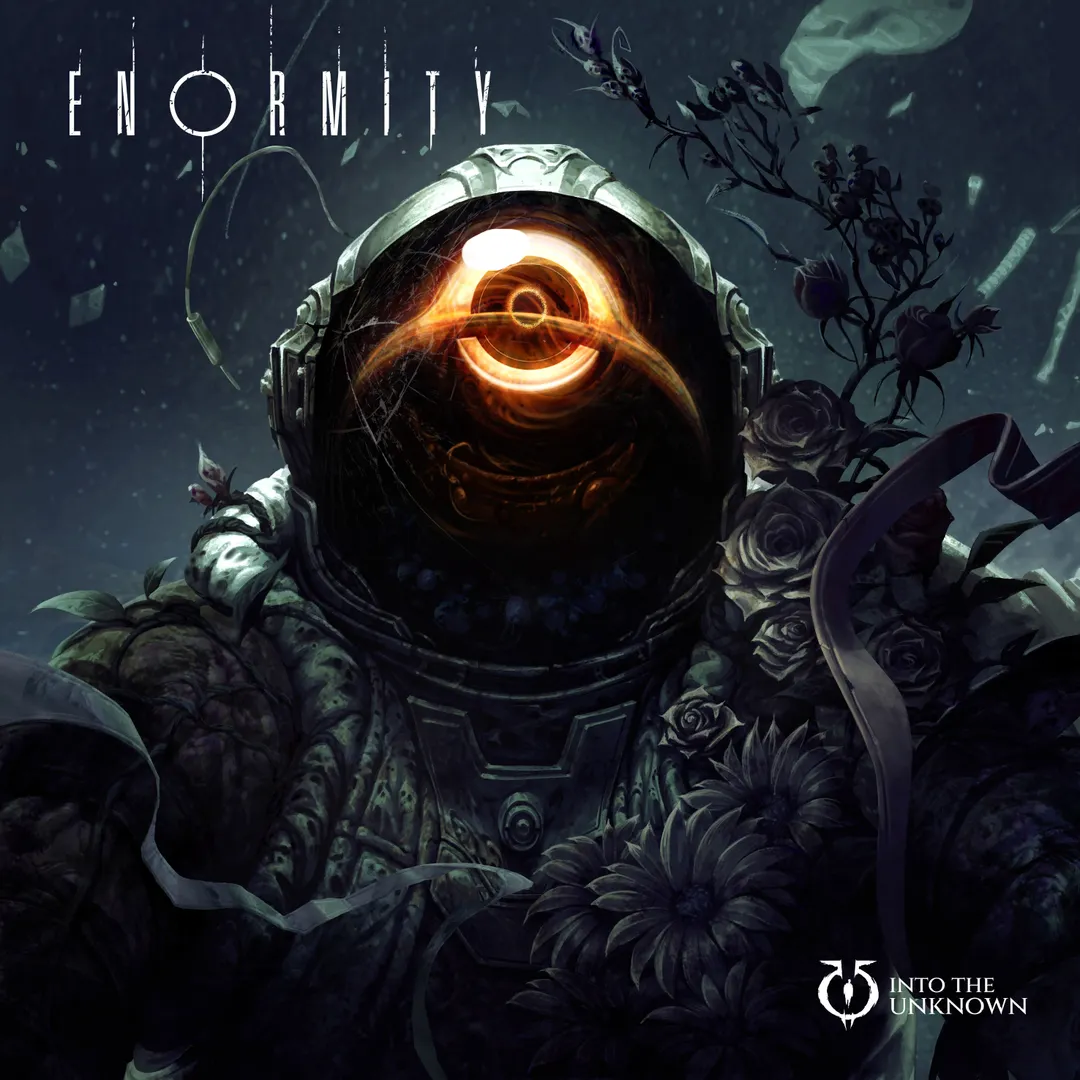
Enormity
- 1–4 Spieler
- 60–90 Min.
- Komplexität 4,0/5
- 2026
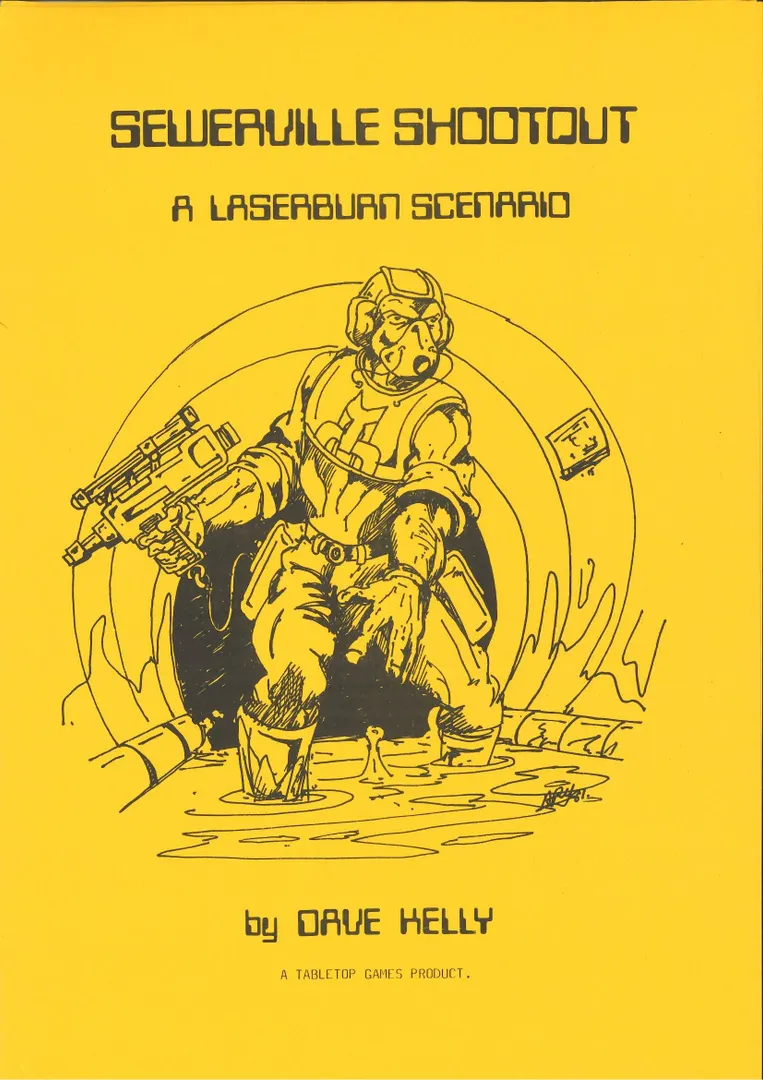
Regelhilfe für Sewerville Shootout
Verständliche Erklärungen zu Spielzügen, Karteneffekten und strittigen Situationen mit Verweisen auf offizielle Quellen und gespeichertem Fragenverlauf.
Was möchtest du wissen?
Antworten stammen aus dem offiziellen Regelheft, mit Seitenangabe zum Nachprüfen.
Sewerville Shootout ist eine Erweiterung für Laserburn: Sci-Fi Combat Rules aus dem Jahr 1981 für 2 Personen. Entwickelt wurde es von Dave Kelly; die wichtigsten Mechaniken sind Dice Rolling, Variable Set-up und Square Grid.




Auf Englisch
A Laserburn scenario featuring 3 map cards, an 8 page umpire folio and a 4 page player folio. Or to boldly go where no man has gone before. This scenario is set in an old complex of sewers, code-named "Sewerville". The ends of the main access tunnels collapsed ages ago, sealing this area off. No attempt was made to rescue the workers and robots that were trapped, and it was not long before they were forgotten. Recently though, it was discovered that the "Android Liberation Front" has its headquartesr down there. The Imperial inquisition has succeeded in getting one of their agents accepted by the ALFists, but the only information he has been able to sneak out is that they are camped in the lower level of the system, and that a large scale attack will soon be launched by them. Rather than risk their agent being discovered by the Frontists by bringing in Inquisition agents from all over the city, they have decide to risk the lives of an expendable group of mercenaries. Of course, the question of payment rears its ugly head, and rather than chop it off (the usual Inquisition tactic), the mecenaries will be paid. - from the players manual
Laut Katalog unterstützt Sewerville Shootout 2 Personen. Das ist die vom Verlag angegebene Spielerzahl, das Spiel ist also genau für diese Anzahl von Mitspielenden ausgelegt. Varianten für andere Gruppengrößen sind, sofern vorhanden, in der Anleitung deiner Ausgabe beschrieben; prüfe sie, bevor du eine andere Konfiguration aufbaust.
Sewerville Shootout hat bei BoardGameGeek eine Komplexitätswertung von 2,0 von 5 und gilt damit als eher leichtes Spiel. Die Wertung zeigt, wie viel Regelwissen, Planung und Entscheidungen eine typische Partie verlangt. Schwerere Spiele brauchen bei der ersten Erklärung mehr Zeit, daher hilft vor dem Spieleabend eine Vorbereitungsanleitung.
Sewerville Shootout gehört zu diesen Kategorien: Wargame, Miniatures und Science Fiction. Die wichtigsten Mechaniken sind Dice Rolling, Variable Set-up und Square Grid. Kategorien beschreiben Thema und Setting eines Spiels, Mechaniken dagegen, was die Spielenden in ihrem Zug tatsächlich tun. Jede Mechanik führt zu einer Katalogseite mit ähnlichen Spielen, falls du etwas Vergleichbares suchst.
Als Autoren von Sewerville Shootout sind angegeben: Dave Kelly. Diese Angaben stammen aus den veröffentlichten Spieldaten und nennen die für das Spieldesign verantwortlichen Personen, nicht die Illustratoren oder Verlage. Die Autorenseiten auf MeepleRules sammeln weitere Titel derselben Autoren – praktisch, wenn dir ein Spiel gefällt und du ähnliche Spiele suchst.
Im Katalog ist Sewerville Shootout als Erweiterung zu Laserburn: Sci-Fi Combat Rules aufgeführt. Erweiterungen ergänzen das Grundspiel um neues Material, neue Regeln oder Szenarien und sind meist nicht eigenständig spielbar; du brauchst also Laserburn: Sci-Fi Combat Rules, um sie zu nutzen. Prüfe, ob deine Ausgabe von Laserburn: Sci-Fi Combat Rules kompatibel ist, da manche Erweiterungen zwischen den Auflagen überarbeitet wurden.