
- BGG-Rang
- BGG #12.702
- BGG-Bewertung
- 6,3
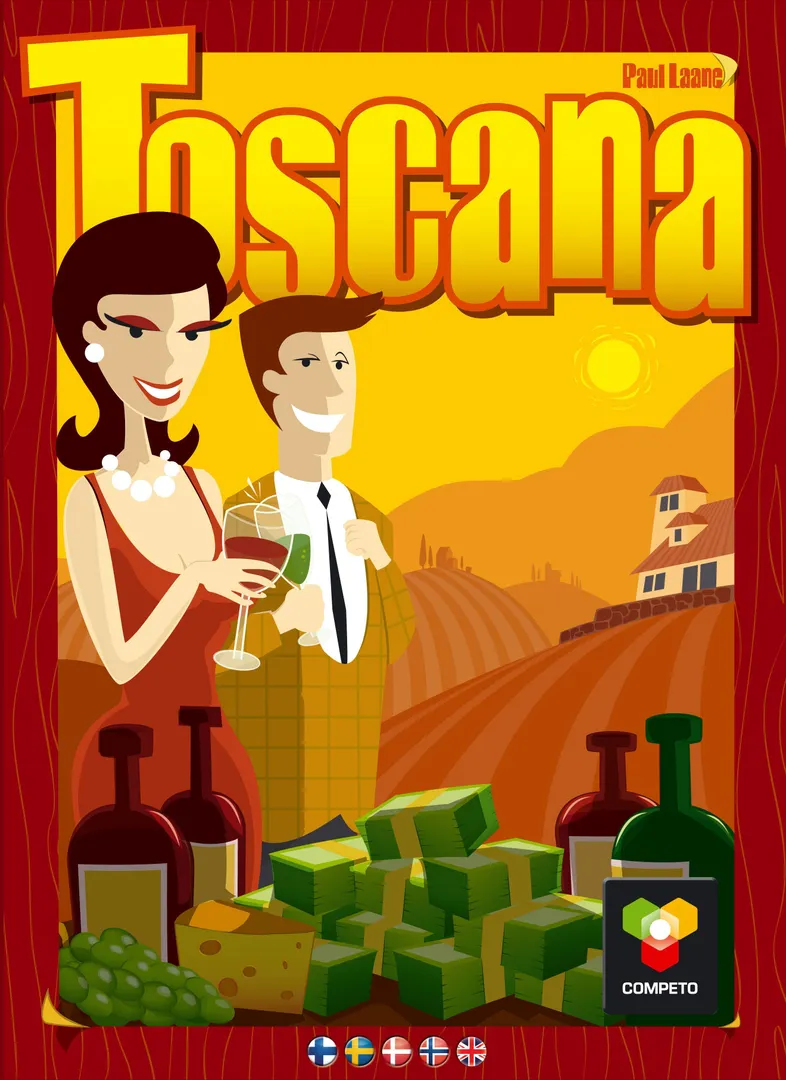
Toscana
- 2–5 Spieler
- 45 Min.
- Komplexität 2,9/5
- 2010
2012
Regelhilfe für Shafausa
Verständliche Erklärungen zu Spielzügen, Karteneffekten und strittigen Situationen mit Verweisen auf offizielle Quellen und gespeichertem Fragenverlauf.
Für 2 Personen
Was möchtest du wissen?
Antworten stammen aus dem offiziellen Regelheft, mit Seitenangabe zum Nachprüfen.
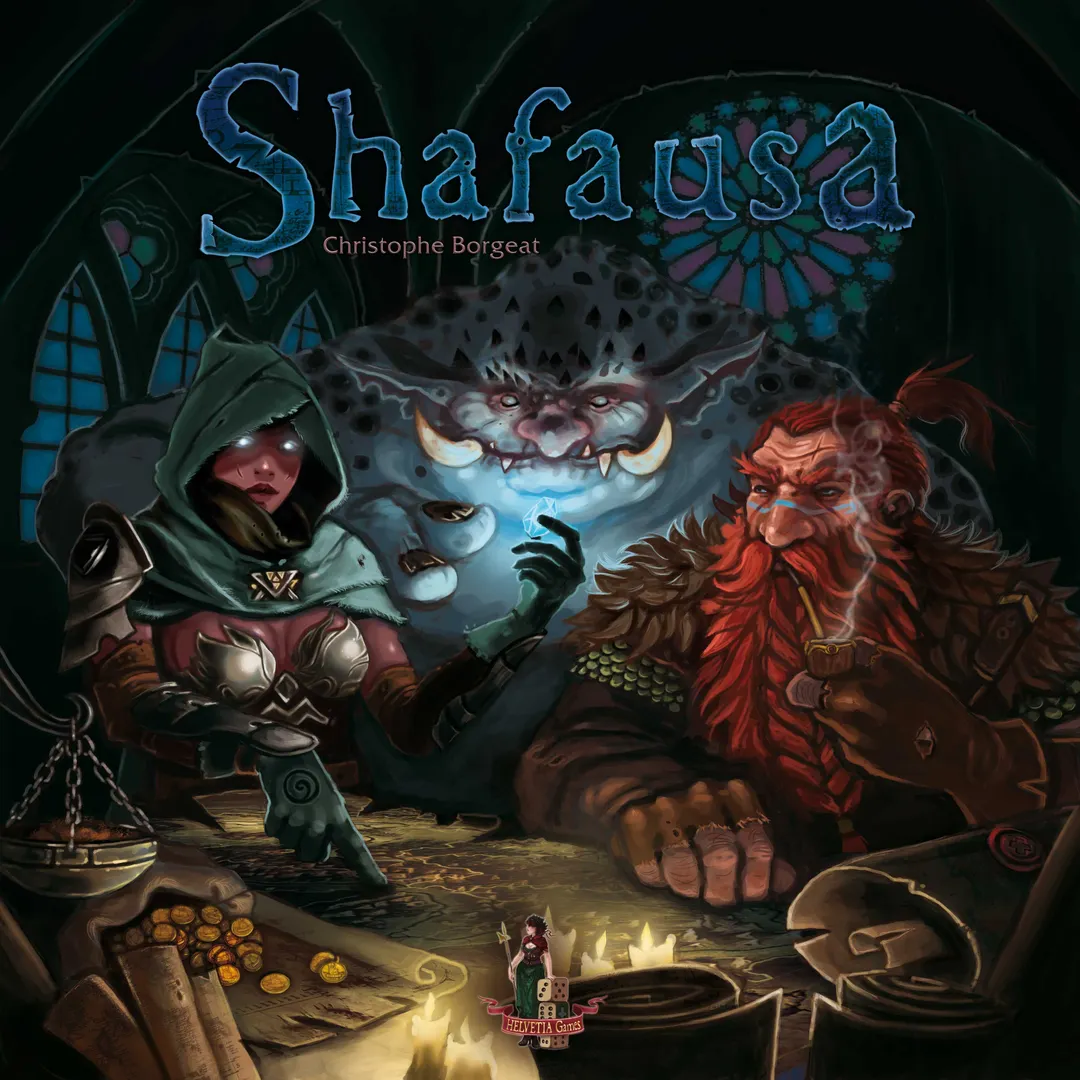
Shafausa ist ein Brettspiel aus dem Jahr 2012 für 2–6 Personen, mit 120 Minuten pro Partie und ab 8 Jahren. Entwickelt wurde es von Christophe Borgeat; die wichtigsten Mechaniken sind Trading und Stock Holding.
Auf Englisch
While digging on the slopes of Mount Ego, the Dwarves of Shafausa discovered a secret passage under the falls of the river Rain. From there they gained access into a subterranean world of obscure galleries and gigantic caves, full of immeasurable wealth. The exploitation of this area rapidly assured the small tribe a lifestyle far superior to anything previously known in Helvetia. Their neighbours, the Vampires of Zugriga, immediately realised the fantastic commercial potential of these discoveries. Thanks to a clever stock exchange system, they implicated the other Helvetian tribes in their dealings, for the joy and well-being of all – or so they claimed. But wealth doesn't just fall from the sky, and it takes a good dose of know-how to be able to rival with the skill of a vampire... In Shafausa, each player represents a Helvetian tribe that has come to propose a new monetary system based on an exchange of resources. Each round players can make purchases (buildings, mines, warehouses) and exchange currency – and through these transactions influence the stock market for the prosperity of their region. Each player holds three Power cards with special actions, but can use only one during the game as the other two are then removed from play. The game lasts a number of rounds, with each round having seven phases: Extraction: Mines and certain buildings produce resources, with some buildings affecting how many resources something produces. Order of Play: Players bid for turn order; as players drop from the bidding, they place their marker in line relative to those who have previously dropped out, so whoever stays in the longest can get the position he wants. Buying and Constructing: In turn order, players buy at most one available building and construct two warehouses; alternatively, a player can pay to remove a building in order to make space for new buildings next round. Management: Players can build mines, add miners to their workforce, construct purchased buildings, buy and sell resources, and construct new towns. Administration: Players pay for buildings in reserve and check their resource limits; resource costs are adjusted based on past sales. Speculation: In turn order, players pay to adjust the prices of various resources, with each price marker being adjustable only once. End of Game Check: If one of a player's towns or warehouses has been filled, the game ends. Players then score points for their towns, mines, buildings, and so on, and the player with the most points wins. In addition to this "Geek" version of the rules, Shafausa includes a "Colonial" version in which players draft start-up tiles (instead of starting with pre-determined characters who come with specific buildings, funds, etc.) and a "Family" version that removes the "Speculation" phase, simplifies turn order, and otherwise makes the game less involved.
Laut Katalog unterstützt Shafausa 2–6 Personen. Diese Spanne entspricht der vom Verlag angegebenen Spielerzahl, das Spiel lässt sich also für jede Gruppengröße innerhalb dieser Spanne aufbauen. Aufbau, einzelne Regeln und Wertungsdetails können je nach Personenzahl trotzdem abweichen; prüfe daher die genaue Konfiguration in der Anleitung deiner Ausgabe.
Die angegebene Spieldauer für Shafausa beträgt 120 Minuten. Das ist die Schätzung des Verlags für eine vollständige Partie. Die tatsächliche Dauer hängt von der Gruppe, der Personenzahl und der Regelkenntnis ab: Erste Partien dauern meist länger, erfahrene Gruppen sind oft schneller fertig. Aufbau und Regelerklärung sind in dieser Schätzung nicht enthalten.
Im Katalog wird Shafausa ab 8 Jahren empfohlen. Das ist die Empfehlung des Verlags und berücksichtigt Leseanforderungen, Regelkomplexität und Kleinteile, nicht nur das Thema. Jüngere Kinder können oft mit Hilfe eines Erwachsenen mitspielen; beachte die Altersangabe deiner Ausgabe und die Brettspielerfahrung deiner Gruppe.
Shafausa hat bei BoardGameGeek eine Komplexitätswertung von 3,3 von 5 und gilt damit als mittelschweres Spiel. Die Wertung zeigt, wie viel Regelwissen, Planung und Entscheidungen eine typische Partie verlangt. Schwerere Spiele brauchen bei der ersten Erklärung mehr Zeit, daher hilft vor dem Spieleabend eine Vorbereitungsanleitung.
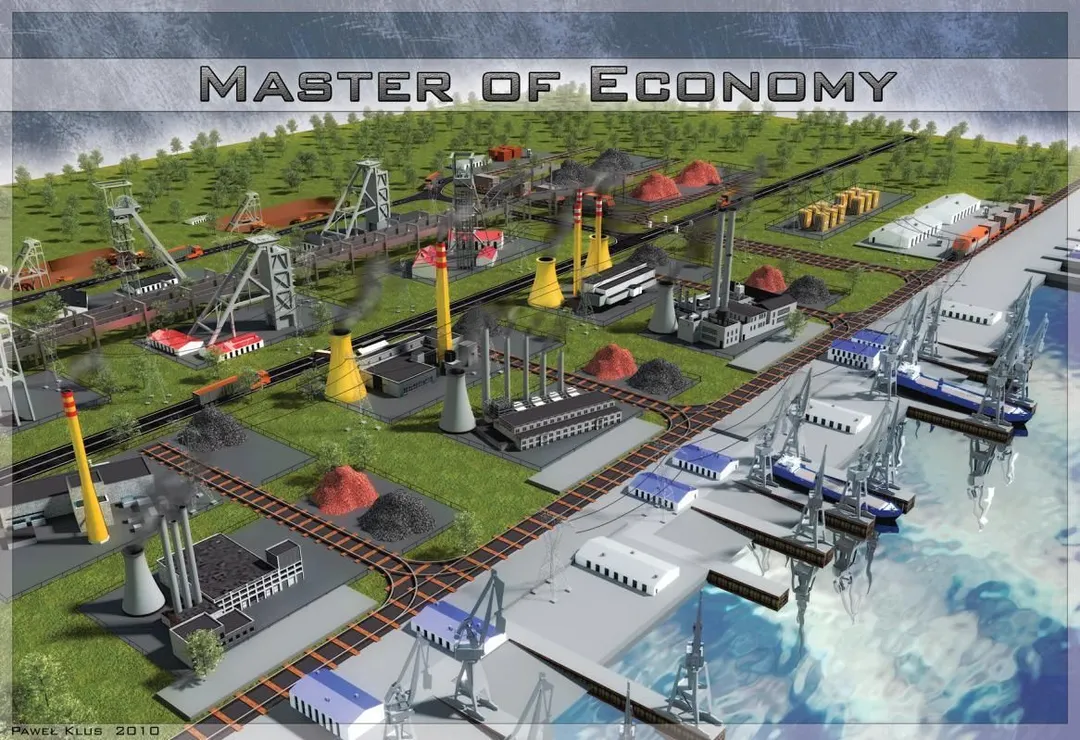
Shafausa gehört zu diesen Kategorien: Fantasy, Economic und Industry / Manufacturing. Die wichtigsten Mechaniken sind Trading und Stock Holding. Kategorien beschreiben Thema und Setting eines Spiels, Mechaniken dagegen, was die Spielenden in ihrem Zug tatsächlich tun. Jede Mechanik führt zu einer Katalogseite mit ähnlichen Spielen, falls du etwas Vergleichbares suchst.
Als Autoren von Shafausa sind angegeben: Christophe Borgeat. Diese Angaben stammen aus den veröffentlichten Spieldaten und nennen die für das Spieldesign verantwortlichen Personen, nicht die Illustratoren oder Verlage. Die Autorenseiten auf MeepleRules sammeln weitere Titel derselben Autoren – praktisch, wenn dir ein Spiel gefällt und du ähnliche Spiele suchst.
Im Katalog ist Shafausa als Grundspiel aufgeführt. Es lässt sich eigenständig mit dem Material aus der Schachtel spielen und benötigt keinen weiteren Titel. Erweiterungen, sofern es welche gibt, ergänzen neues Material oder neue Regeln und sind im Katalog separat mit einem Verweis auf dieses Grundspiel aufgeführt.