
- BGG-Bewertung
- 7,7
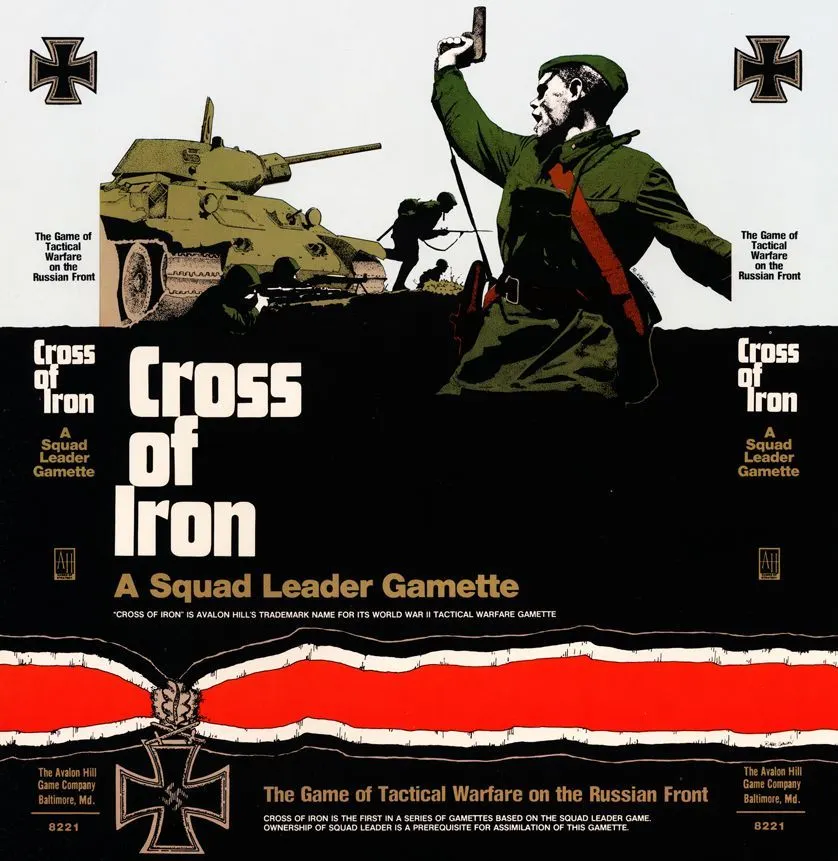
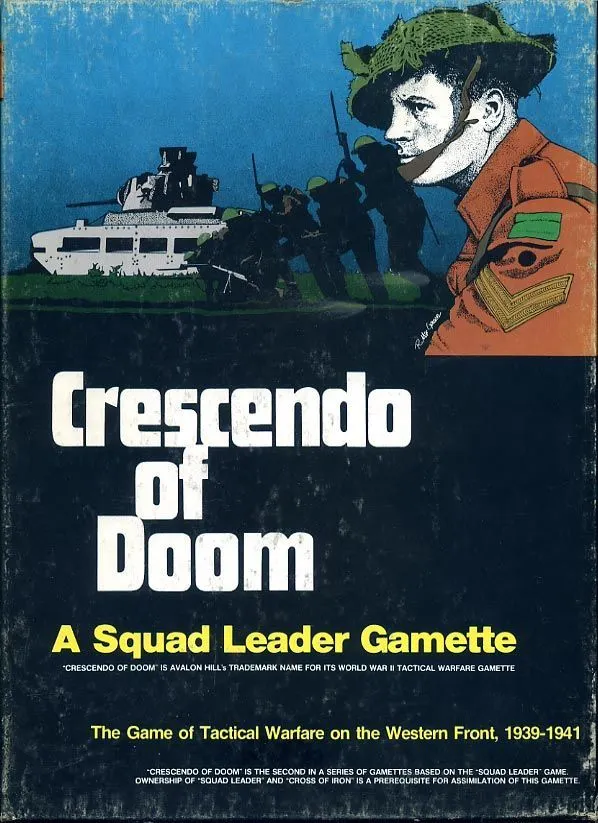
Cross of Iron: A Squad Leader Gamette
- 1–2 Spieler
- 60 Min.
- Komplexität 4,1/5
- 1978

1977
Regelhilfe für Squad Leader
Verständliche Erklärungen zu Spielzügen, Karteneffekten und strittigen Situationen mit Verweisen auf offizielle Quellen und gespeichertem Fragenverlauf.
Für 2 Personen
Was möchtest du wissen?
Antworten stammen aus dem offiziellen Regelheft, mit Seitenangabe zum Nachprüfen.
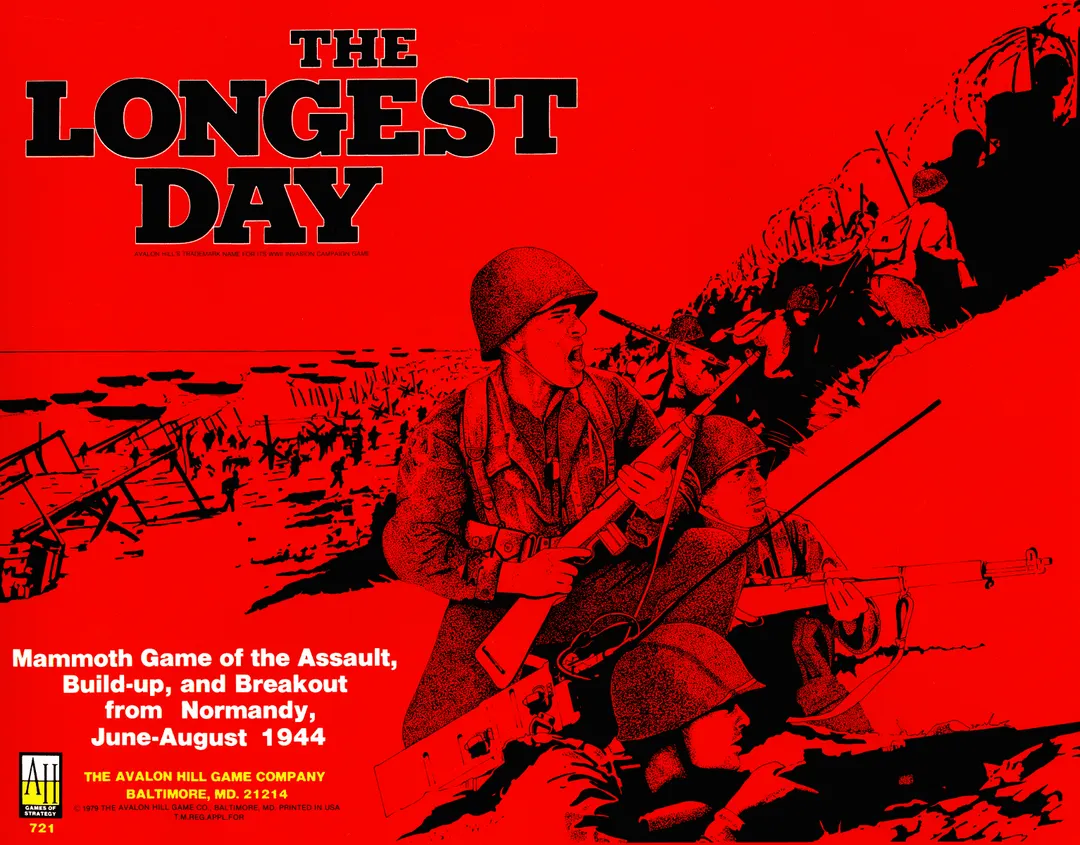
Squad Leader ist ein Brettspiel aus dem Jahr 1977 für 2 Personen, mit 60 Minuten pro Partie und ab 14 Jahren. Entwickelt wurde es von John Hill (I); die wichtigsten Mechaniken sind Dice Rolling, Variable Set-up und Grid Movement.









Auf Englisch
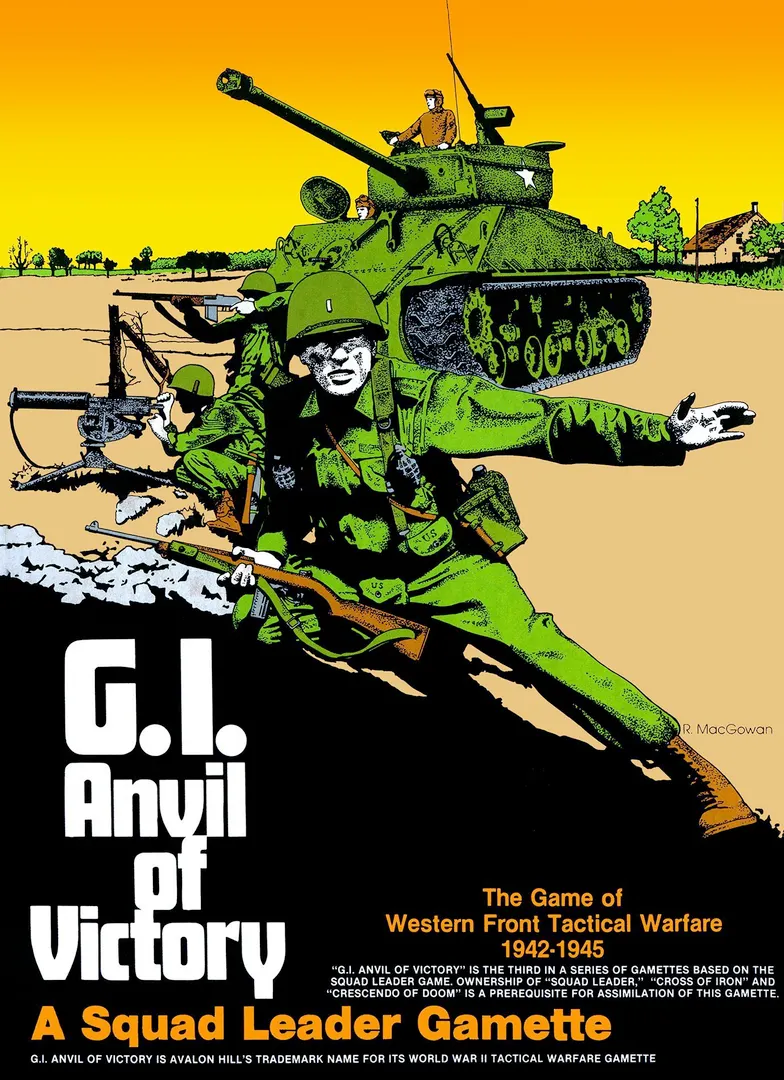
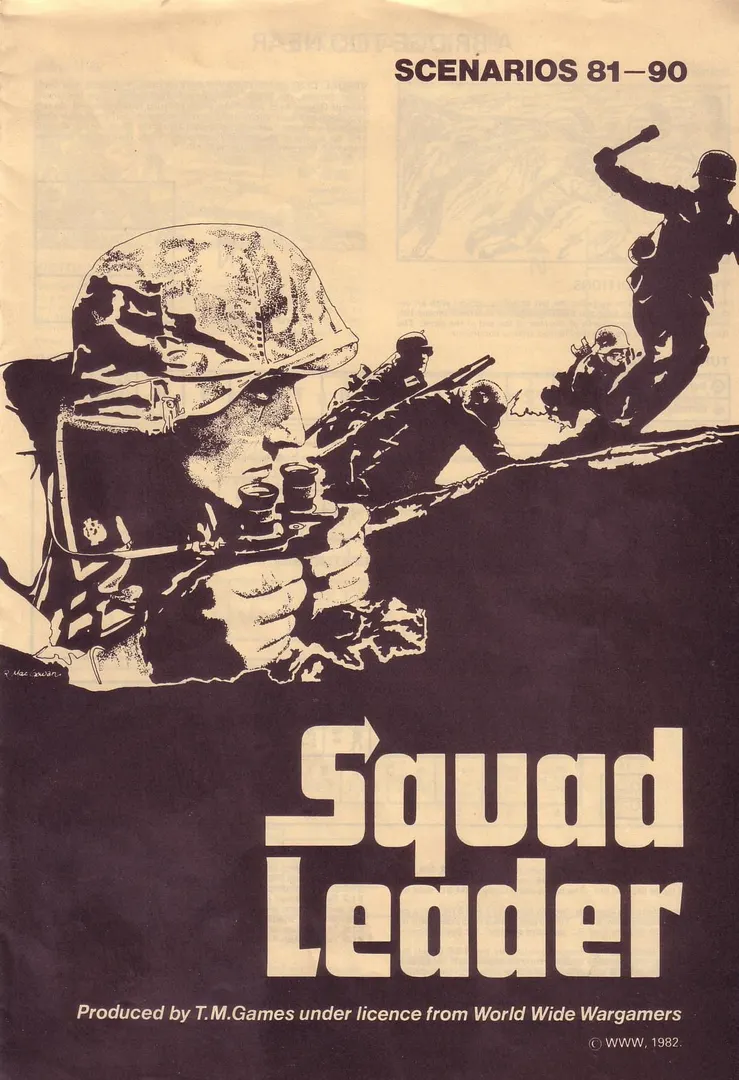
A shot disturbs the eerie silence of a deserted city street, punctuated by the frantic footfalls of men seeking cover. One of Kruger’s last veteran NCO’s lies motionless in the street. The remnants of the dead man’s squad are nowhere to be seen—scattered in nearby houses and gutters—all thoughts of the advance abandoned with the sudden demise of their leader...the compulsion for revenge obviously overcome by their instinct for self-preservation. Off to the right, Kruger’s own men have located the source of the lethal shot and are laying down a steady stream of fire on the church steeple directly ahead. The absence of responding fire suggests that the lone Russian marksman has beat a hasty retreat or been victimized by the withering fire of the German retort. Kruger has seen enough. He is to occupy the church and set up a regimental observation post at once. His orders leave no leeway for delays by a single sniper. He gives the signal to rush the building. Obedient to their training, his men, veterans of France, the Balkans, and 18 months of fighting in Russia, spring to their feet. Seconds later the sharp, staccato retort of a Russian machinegun concludes with the assertiveness of death itself that this time Kruger was wrong. This is Squad Leader, a game of WWII tactical combat in Europe. You make the instant decisions resulting in life or death for your men, victory or defeat for your army. You direct the fire of your squad, select your plan of attack, or set your defenses against massed Russian human wave or armor assaults. Will that hedgerow provide adequate cover for your flanking efforts, or will your men be cut down by the American machinegun position in the woods? The decision is irrevocable and yours alone. Squad Leader is more than just a game, it is a game system which can be used to portray any WWII infantry action. Its system does for infantry combat what Panzerblitz and Panzer Leader have done for armored warfare games. Squad Leader provides rules for morale, leadership, machineguns, flamethrowers, demo charges, smoke, hidden placement, sewer movement, off-board artillery, radio contact, anti-tank guns, night actions, wire, entrenchments, mines, bunkers, rubble, multi-story building differentiation, fire, river crossings, roadblocks, mortars, and much more. Squad Leader utilizes programmed instruction to guide you through 12 scenarios of increasing realism and complexity. The scenarios run the gamut from street fighting in Stalingrad to armored advances across snow covered roads in the Ardennes. A Campaign Game ties the individual scenarios together and allows your own personal leader counter to advance in rank and ability. In addition, a “Design Your Own” section is included so that players can create an unlimited number of play situations of their own creation. Each hex in Squad Leader represents 40 meters of real terrain with counters representing individual leaders, support weapons, and vehicles or 4 man crews and 12 man squads. Each game turn is divided into two player turns with 8 phases, equivalent to two minutes of actual time. Squad Leader is not an easy game. Do not attempt it without prior wargaming experience. Squad Leader is rated Tournament Level IV on the A.H. Complexity scale.
Laut Katalog unterstützt Squad Leader 2 Personen. Das ist die vom Verlag angegebene Spielerzahl, das Spiel ist also genau für diese Anzahl von Mitspielenden ausgelegt. Varianten für andere Gruppengrößen sind, sofern vorhanden, in der Anleitung deiner Ausgabe beschrieben; prüfe sie, bevor du eine andere Konfiguration aufbaust.
Die angegebene Spieldauer für Squad Leader beträgt 60 Minuten. Das ist die Schätzung des Verlags für eine vollständige Partie. Die tatsächliche Dauer hängt von der Gruppe, der Personenzahl und der Regelkenntnis ab: Erste Partien dauern meist länger, erfahrene Gruppen sind oft schneller fertig. Aufbau und Regelerklärung sind in dieser Schätzung nicht enthalten.
Im Katalog wird Squad Leader ab 14 Jahren empfohlen. Das ist die Empfehlung des Verlags und berücksichtigt Leseanforderungen, Regelkomplexität und Kleinteile, nicht nur das Thema. Jüngere Kinder können oft mit Hilfe eines Erwachsenen mitspielen; beachte die Altersangabe deiner Ausgabe und die Brettspielerfahrung deiner Gruppe.
Squad Leader hat bei BoardGameGeek eine Komplexitätswertung von 4,0 von 5 und gilt damit als schweres Spiel. Die Wertung zeigt, wie viel Regelwissen, Planung und Entscheidungen eine typische Partie verlangt. Schwerere Spiele brauchen bei der ersten Erklärung mehr Zeit, daher hilft vor dem Spieleabend eine Vorbereitungsanleitung.
Squad Leader gehört zu diesen Kategorien: Wargame und World War II. Die wichtigsten Mechaniken sind Dice Rolling, Variable Set-up und Grid Movement. Kategorien beschreiben Thema und Setting eines Spiels, Mechaniken dagegen, was die Spielenden in ihrem Zug tatsächlich tun. Jede Mechanik führt zu einer Katalogseite mit ähnlichen Spielen, falls du etwas Vergleichbares suchst.
Als Autoren von Squad Leader sind angegeben: John Hill (I). Diese Angaben stammen aus den veröffentlichten Spieldaten und nennen die für das Spieldesign verantwortlichen Personen, nicht die Illustratoren oder Verlage. Die Autorenseiten auf MeepleRules sammeln weitere Titel derselben Autoren – praktisch, wenn dir ein Spiel gefällt und du ähnliche Spiele suchst.
Im Katalog ist Squad Leader als Grundspiel aufgeführt. Es lässt sich eigenständig mit dem Material aus der Schachtel spielen und benötigt keinen weiteren Titel. Erweiterungen, sofern es welche gibt, ergänzen neues Material oder neue Regeln und sind im Katalog separat mit einem Verweis auf dieses Grundspiel aufgeführt.