
- BGG-Rang
- BGG #3.825
- BGG-Bewertung
- 9,0
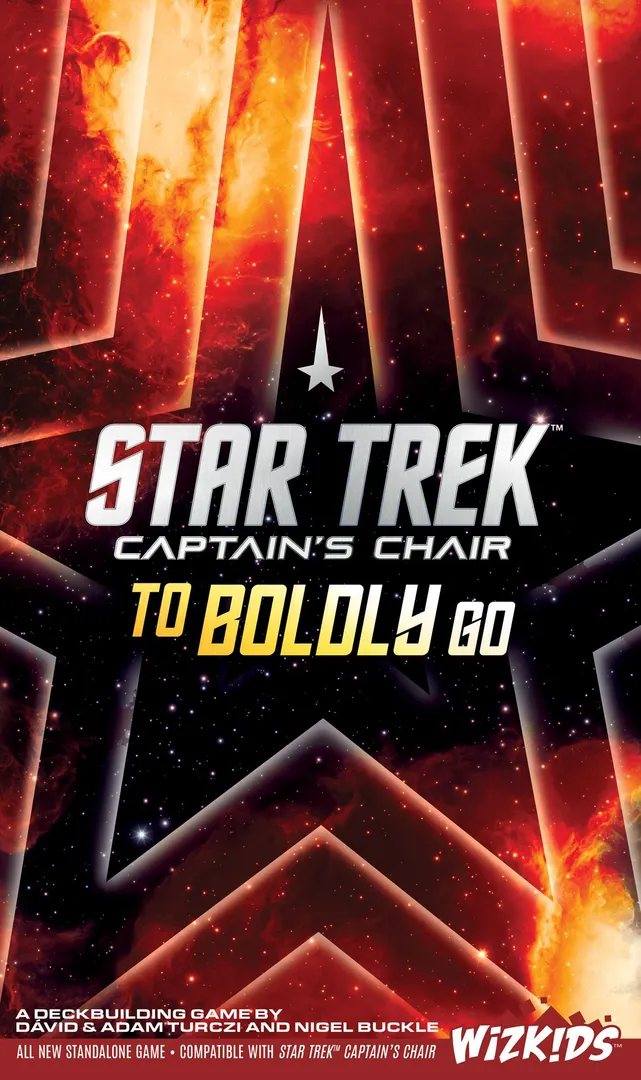
Star Trek: Captain's Chair – To Boldly Go
- 1–2 Spieler
- 60–120 Min.
- Komplexität 4,2/5
- 2026
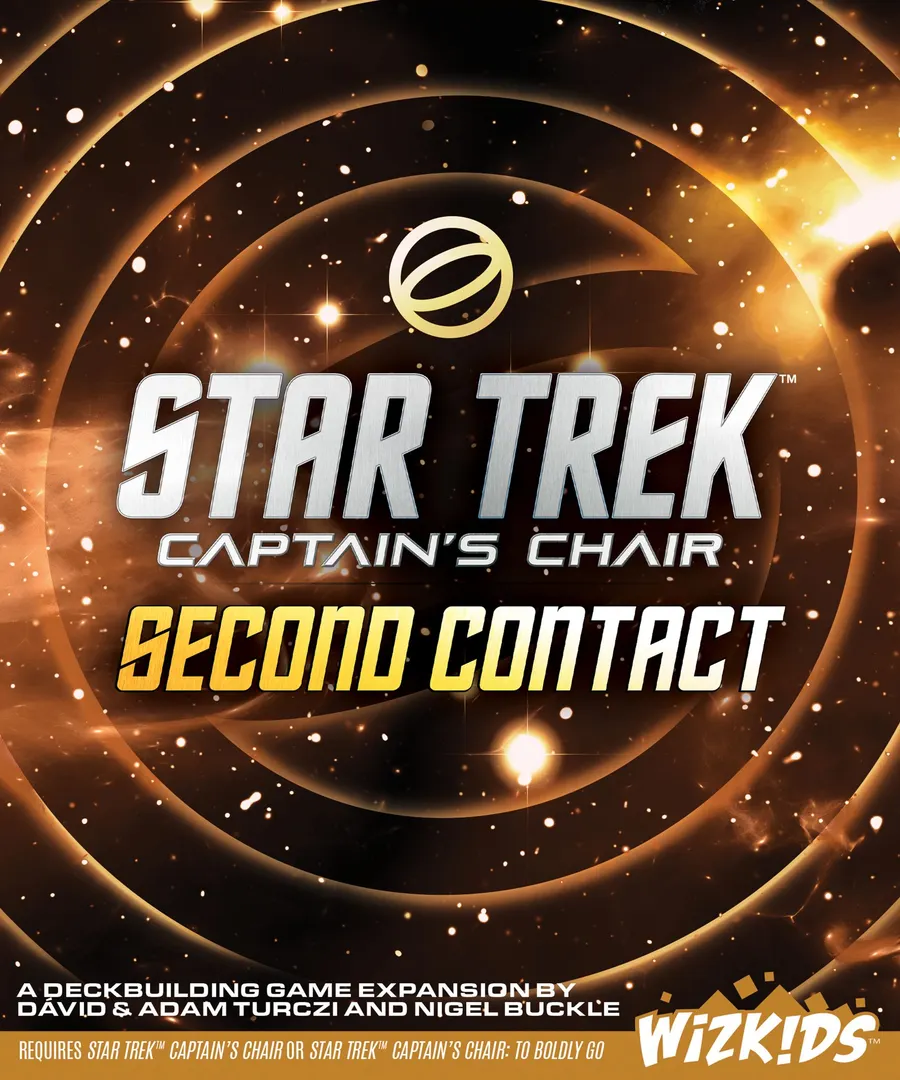
Regelhilfe für Star Trek: Captain's Chair – Second Contact
Verständliche Erklärungen zu Spielzügen, Karteneffekten und strittigen Situationen mit Verweisen auf offizielle Quellen und gespeichertem Fragenverlauf.
Was möchtest du wissen?
Antworten stammen aus dem offiziellen Regelheft, mit Seitenangabe zum Nachprüfen.
Star Trek: Captain's Chair – Second Contact ist eine Erweiterung für Star Trek: Captain's Chair aus dem Jahr 2026 für 1–2 Personen, mit 60–120 Minuten pro Partie und ab 14 Jahren. Entwickelt wurde es von Dávid Turczi, Nigel Buckle und Adam Turczi; die wichtigsten Mechaniken sind Hand Management, Area Movement und Solo / Solitaire Game.

Auf Englisch
In Star Trek: Captain's Chair, you go head-to-head against an opponent, each stepping into the shoes of an iconic leader from across the history of the Star Trek galaxy. Command ships, crew, and away teams, while you manage resources and alliances! Star Trek: Captain's Chair – Second Contact contains three new captains that can face off against those in the original game, against those in To Boldly Go, and against one another, but you'll need common cards from one of the base games. Two of the captains are Carol Freeman, Captain of the U.S.S. Cerritos, and Christopher Pike, Captain of the U.S.S. Enterprise, and you can also add Krulmuth-B as a starting location, opening a portal that crosses space and time!
Laut Katalog unterstützt Star Trek: Captain's Chair – Second Contact 1–2 Personen. Diese Spanne entspricht der vom Verlag angegebenen Spielerzahl, das Spiel lässt sich also für jede Gruppengröße innerhalb dieser Spanne aufbauen. Aufbau, einzelne Regeln und Wertungsdetails können je nach Personenzahl trotzdem abweichen; prüfe daher die genaue Konfiguration in der Anleitung deiner Ausgabe.
Die angegebene Spieldauer für Star Trek: Captain's Chair – Second Contact beträgt 60–120 Minuten. Das ist die Schätzung des Verlags für eine vollständige Partie. Die tatsächliche Dauer hängt von der Gruppe, der Personenzahl und der Regelkenntnis ab: Erste Partien dauern meist länger, erfahrene Gruppen sind oft schneller fertig. Aufbau und Regelerklärung sind in dieser Schätzung nicht enthalten.
Im Katalog wird Star Trek: Captain's Chair – Second Contact ab 14 Jahren empfohlen. Das ist die Empfehlung des Verlags und berücksichtigt Leseanforderungen, Regelkomplexität und Kleinteile, nicht nur das Thema. Jüngere Kinder können oft mit Hilfe eines Erwachsenen mitspielen; beachte die Altersangabe deiner Ausgabe und die Brettspielerfahrung deiner Gruppe.
Star Trek: Captain's Chair – Second Contact hat bei BoardGameGeek eine Komplexitätswertung von 4,0 von 5 und gilt damit als schweres Spiel. Die Wertung zeigt, wie viel Regelwissen, Planung und Entscheidungen eine typische Partie verlangt. Schwerere Spiele brauchen bei der ersten Erklärung mehr Zeit, daher hilft vor dem Spieleabend eine Vorbereitungsanleitung.
Star Trek: Captain's Chair – Second Contact gehört zu diesen Kategorien: Card Game, Movies / TV / Radio theme und Science Fiction. Die wichtigsten Mechaniken sind Hand Management, Area Movement und Solo / Solitaire Game. Kategorien beschreiben Thema und Setting eines Spiels, Mechaniken dagegen, was die Spielenden in ihrem Zug tatsächlich tun. Jede Mechanik führt zu einer Katalogseite mit ähnlichen Spielen, falls du etwas Vergleichbares suchst.
Als Autoren von Star Trek: Captain's Chair – Second Contact sind angegeben: Dávid Turczi, Nigel Buckle und Adam Turczi. Diese Angaben stammen aus den veröffentlichten Spieldaten und nennen die für das Spieldesign verantwortlichen Personen, nicht die Illustratoren oder Verlage. Die Autorenseiten auf MeepleRules sammeln weitere Titel derselben Autoren – praktisch, wenn dir ein Spiel gefällt und du ähnliche Spiele suchst.
Im Katalog ist Star Trek: Captain's Chair – Second Contact als Erweiterung zu Star Trek: Captain's Chair aufgeführt. Erweiterungen ergänzen das Grundspiel um neues Material, neue Regeln oder Szenarien und sind meist nicht eigenständig spielbar; du brauchst also Star Trek: Captain's Chair, um sie zu nutzen. Prüfe, ob deine Ausgabe von Star Trek: Captain's Chair kompatibel ist, da manche Erweiterungen zwischen den Auflagen überarbeitet wurden.