
- BGG-Rang
- BGG #23
- BGG-Bewertung
- 8,4
Eclipse: Second Dawn for the Galaxy
- 2–6 Spieler
- 60–200 Min.
- Komplexität 3,7/5
- 2020
2023
Regelhilfe für Storm Over Jerusalem: The Roman Siege
Verständliche Erklärungen zu Spielzügen, Karteneffekten und strittigen Situationen mit Verweisen auf offizielle Quellen und gespeichertem Fragenverlauf.
Für 2 Personen
Was möchtest du wissen?
Antworten stammen aus dem offiziellen Regelheft, mit Seitenangabe zum Nachprüfen.
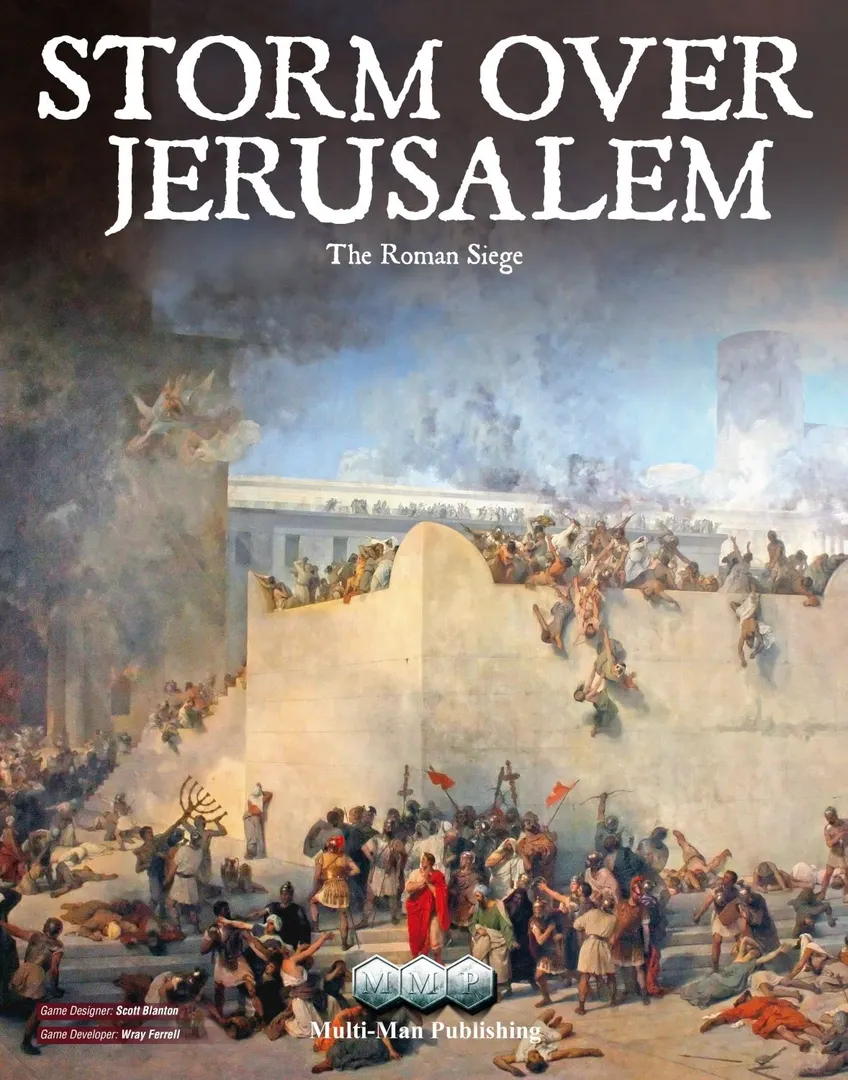
Storm Over Jerusalem: The Roman Siege ist ein Brettspiel aus dem Jahr 2023 für 2 Personen, mit 120–180 Minuten pro Partie und ab 12 Jahren. Entwickelt wurde es von Scott Blanton; die wichtigsten Mechaniken sind Area-Impulse.



Auf Englisch
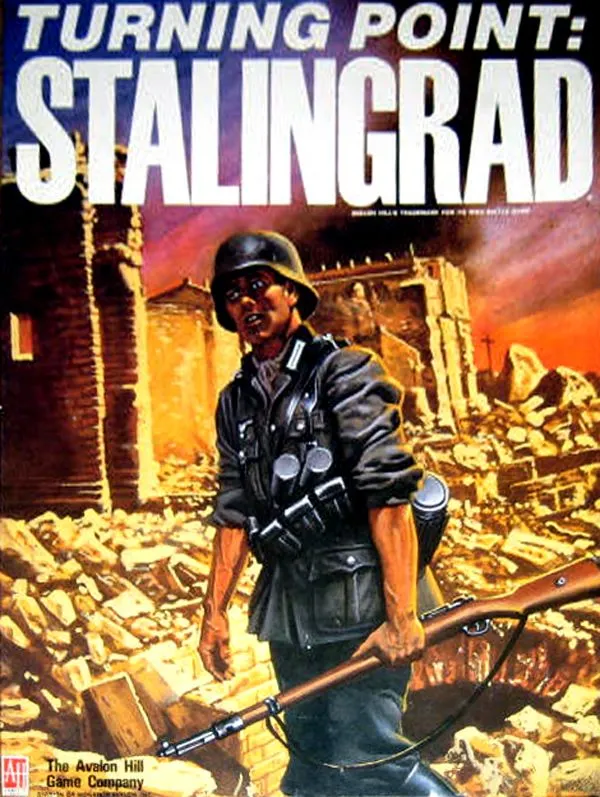
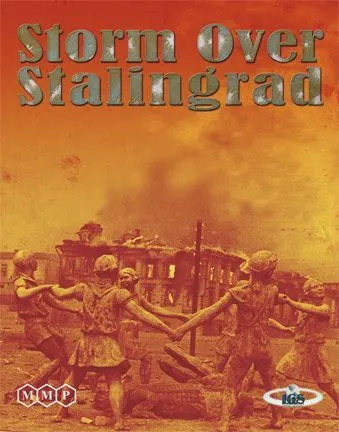
By the year 70 of the Common Era (CE), the province of Judea had been in revolt against Rome for nearly 4 years. The protests and riots that began in 66 CE had quickly turned into open rebellion. The standard Roman punitive force under Syrian legate Cestius Gallus, having failed to capture Jerusalem, was wiped out at Beth Horon. General Vespasian was given command of the Roman army in the region and ordered to crush the rebellion and restore order. Turmoil in Rome, however, saw Vespasian recalled to become Emperor. In early 70 CE, Emperor Vespasian dispatched his son Titus (a future Emperor) along with four legions to end the rebellion in this important province. Titus arrived in Jerusalem in April to find the city still at war with itself. Throughout the rebellion, differing Judean factions had fought a bitter internecine war among themselves. The primary factions fighting each other in Jerusalem at this time were controlled by Simon bar Giora and John of Gischala. With the arrival of Titus and his legions, however, they were now faced with a common threat to their immediate survival. The brutal siege of Jerusalem lasted nearly five months. During the siege, city walls were breached one-by-one, much of the city devastated, and the Temple—central to both the Jewish religion and the defense of the city—destroyed and burned. With the capture of Jerusalem, Titus had effectively ended the Judean revolt, with the last of the rebels finally cornered and eliminated in the legendary siege of Masada in 73 CE. Storm Over Jerusalem: The Roman Siege is a 2-player wargame simulating the Siege of Jerusalem in 70AD. One player controls the Roman forces, and the other player controls the Judean forces. Using the Area Move system redefined in Storm Over Stalingrad and Storm Over Dien Bien Phu, the game features the use of tactical cards to augment game play, adding to the tension experienced by both sides. The rules are similar in length to those seen in previous Storm Over games, and are of the same level of complexity, with additions made for the situations encountered in this battle. Additional rules added to the game include Siege Towers, the Walls of Jerusalem, and Judean leaders. In addition to these new rules, new cards have been created in order to represent events encountered during the battle. These include “Battering Rams”, “Famine”, “Rigging the Colonnades”, and “Escape the Siege”. Game Scale: Game Turn: approximately 10 - 14 days Area: approximately 1" = 300ft / 91 meters Units: Legions Game Inventory: One 22 x 34" full color mapsheet One dual-side printed countersheet (108 3/4" counters w/ 1 blank) One dual-side printed countersheet (54 3/4" & 88 5/8" counters w/ 17 blanks) One 12-page full color rulebook Two dual-side printed player aid cards One deck of 55 tactical playing cards Four 6 sided dice (2 red & 2 blue) Solitaire Playability: Low Complexity Level: Low Players: 2 (or more) Playing Time: 2-3 hours
Laut Katalog unterstützt Storm Over Jerusalem: The Roman Siege 2 Personen. Das ist die vom Verlag angegebene Spielerzahl, das Spiel ist also genau für diese Anzahl von Mitspielenden ausgelegt. Varianten für andere Gruppengrößen sind, sofern vorhanden, in der Anleitung deiner Ausgabe beschrieben; prüfe sie, bevor du eine andere Konfiguration aufbaust.
Die angegebene Spieldauer für Storm Over Jerusalem: The Roman Siege beträgt 120–180 Minuten. Das ist die Schätzung des Verlags für eine vollständige Partie. Die tatsächliche Dauer hängt von der Gruppe, der Personenzahl und der Regelkenntnis ab: Erste Partien dauern meist länger, erfahrene Gruppen sind oft schneller fertig. Aufbau und Regelerklärung sind in dieser Schätzung nicht enthalten.
Im Katalog wird Storm Over Jerusalem: The Roman Siege ab 12 Jahren empfohlen. Das ist die Empfehlung des Verlags und berücksichtigt Leseanforderungen, Regelkomplexität und Kleinteile, nicht nur das Thema. Jüngere Kinder können oft mit Hilfe eines Erwachsenen mitspielen; beachte die Altersangabe deiner Ausgabe und die Brettspielerfahrung deiner Gruppe.
Storm Over Jerusalem: The Roman Siege hat bei BoardGameGeek eine Komplexitätswertung von 2,6 von 5 und gilt damit als eher leichtes Spiel. Die Wertung zeigt, wie viel Regelwissen, Planung und Entscheidungen eine typische Partie verlangt. Schwerere Spiele brauchen bei der ersten Erklärung mehr Zeit, daher hilft vor dem Spieleabend eine Vorbereitungsanleitung.
Storm Over Jerusalem: The Roman Siege gehört zu diesen Kategorien: Wargame und Ancient. Die wichtigsten Mechaniken sind Area-Impulse. Kategorien beschreiben Thema und Setting eines Spiels, Mechaniken dagegen, was die Spielenden in ihrem Zug tatsächlich tun. Jede Mechanik führt zu einer Katalogseite mit ähnlichen Spielen, falls du etwas Vergleichbares suchst.
Als Autoren von Storm Over Jerusalem: The Roman Siege sind angegeben: Scott Blanton. Diese Angaben stammen aus den veröffentlichten Spieldaten und nennen die für das Spieldesign verantwortlichen Personen, nicht die Illustratoren oder Verlage. Die Autorenseiten auf MeepleRules sammeln weitere Titel derselben Autoren – praktisch, wenn dir ein Spiel gefällt und du ähnliche Spiele suchst.
Im Katalog ist Storm Over Jerusalem: The Roman Siege als Grundspiel aufgeführt. Es lässt sich eigenständig mit dem Material aus der Schachtel spielen und benötigt keinen weiteren Titel. Erweiterungen, sofern es welche gibt, ergänzen neues Material oder neue Regeln und sind im Katalog separat mit einem Verweis auf dieses Grundspiel aufgeführt.