

- BGG-Rang
- BGG #23.637
- BGG-Bewertung
- 5,8
Blue Line Hockey
- 2 Spieler
- 45 Min.
- Komplexität 1,9/5
- 1968
1966
Regelhilfe für Thinking Man's Football
Verständliche Erklärungen zu Spielzügen, Karteneffekten und strittigen Situationen mit Verweisen auf offizielle Quellen und gespeichertem Fragenverlauf.
Für 2 Personen
Was möchtest du wissen?
Antworten stammen aus dem offiziellen Regelheft, mit Seitenangabe zum Nachprüfen.
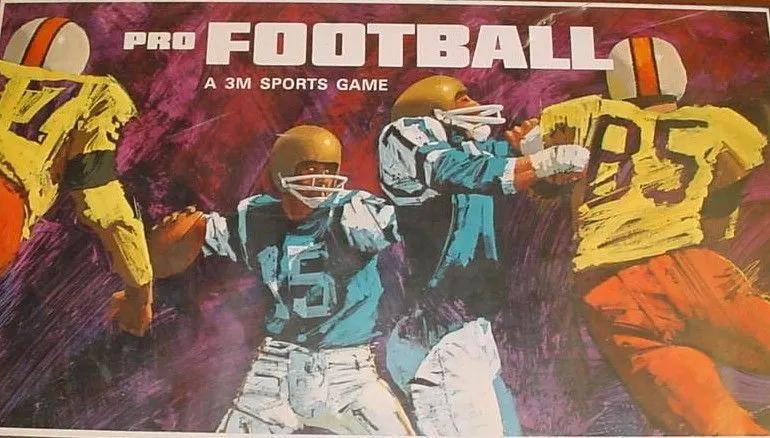
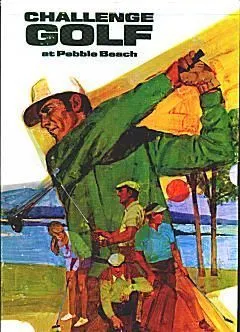
Thinking Man's Football ist ein Brettspiel aus dem Jahr 1966 für 2 Personen und mit 90 Minuten pro Partie. Entwickelt wurde es von Frederick A. Herschler; die wichtigsten Mechaniken sind Dice Rolling und Simultaneous Action Selection.



Auf Englisch
Originally published as Pro Football and later rebranded Thinking Man’s Football, this strategic head-to-head simulation captures the cerebral side of American football. Released as part of the 3M Sports Games line, it focuses on play selection, tactical prediction, and statistical outcomes. Each turn, the offensive player secretly selects a play—run, pass, or special play—while the defense chooses a formation and one of three areas to guard: left, center, or right. Both choices are revealed simultaneously, and a chart combined with a die roll determines the result of the play: yardage gained or lost. Standard football rules for downs, possession, and scoring apply. The game plays out over two halves, challenging players to outthink one another while balancing risk and field position. Unlike arcade-style football games, Thinking Man’s Football emphasizes play-calling strategy and probability, making it a great fit for fans of sports analytics, gridiron tactics, and old-school simulation.
Laut Katalog unterstützt Thinking Man's Football 2 Personen. Das ist die vom Verlag angegebene Spielerzahl, das Spiel ist also genau für diese Anzahl von Mitspielenden ausgelegt. Varianten für andere Gruppengrößen sind, sofern vorhanden, in der Anleitung deiner Ausgabe beschrieben; prüfe sie, bevor du eine andere Konfiguration aufbaust.
Die angegebene Spieldauer für Thinking Man's Football beträgt 90 Minuten. Das ist die Schätzung des Verlags für eine vollständige Partie. Die tatsächliche Dauer hängt von der Gruppe, der Personenzahl und der Regelkenntnis ab: Erste Partien dauern meist länger, erfahrene Gruppen sind oft schneller fertig. Aufbau und Regelerklärung sind in dieser Schätzung nicht enthalten.
Thinking Man's Football hat bei BoardGameGeek eine Komplexitätswertung von 2,3 von 5 und gilt damit als eher leichtes Spiel. Die Wertung zeigt, wie viel Regelwissen, Planung und Entscheidungen eine typische Partie verlangt. Schwerere Spiele brauchen bei der ersten Erklärung mehr Zeit, daher hilft vor dem Spieleabend eine Vorbereitungsanleitung.
Thinking Man's Football gehört zu diesen Kategorien: Sports. Die wichtigsten Mechaniken sind Dice Rolling und Simultaneous Action Selection. Kategorien beschreiben Thema und Setting eines Spiels, Mechaniken dagegen, was die Spielenden in ihrem Zug tatsächlich tun. Jede Mechanik führt zu einer Katalogseite mit ähnlichen Spielen, falls du etwas Vergleichbares suchst.
Als Autoren von Thinking Man's Football sind angegeben: Frederick A. Herschler. Diese Angaben stammen aus den veröffentlichten Spieldaten und nennen die für das Spieldesign verantwortlichen Personen, nicht die Illustratoren oder Verlage. Die Autorenseiten auf MeepleRules sammeln weitere Titel derselben Autoren – praktisch, wenn dir ein Spiel gefällt und du ähnliche Spiele suchst.
Im Katalog ist Thinking Man's Football als Grundspiel aufgeführt. Es lässt sich eigenständig mit dem Material aus der Schachtel spielen und benötigt keinen weiteren Titel. Erweiterungen, sofern es welche gibt, ergänzen neues Material oder neue Regeln und sind im Katalog separat mit einem Verweis auf dieses Grundspiel aufgeführt.