
- BGG-Rang
- BGG #18.685
- BGG-Bewertung
- 8,0
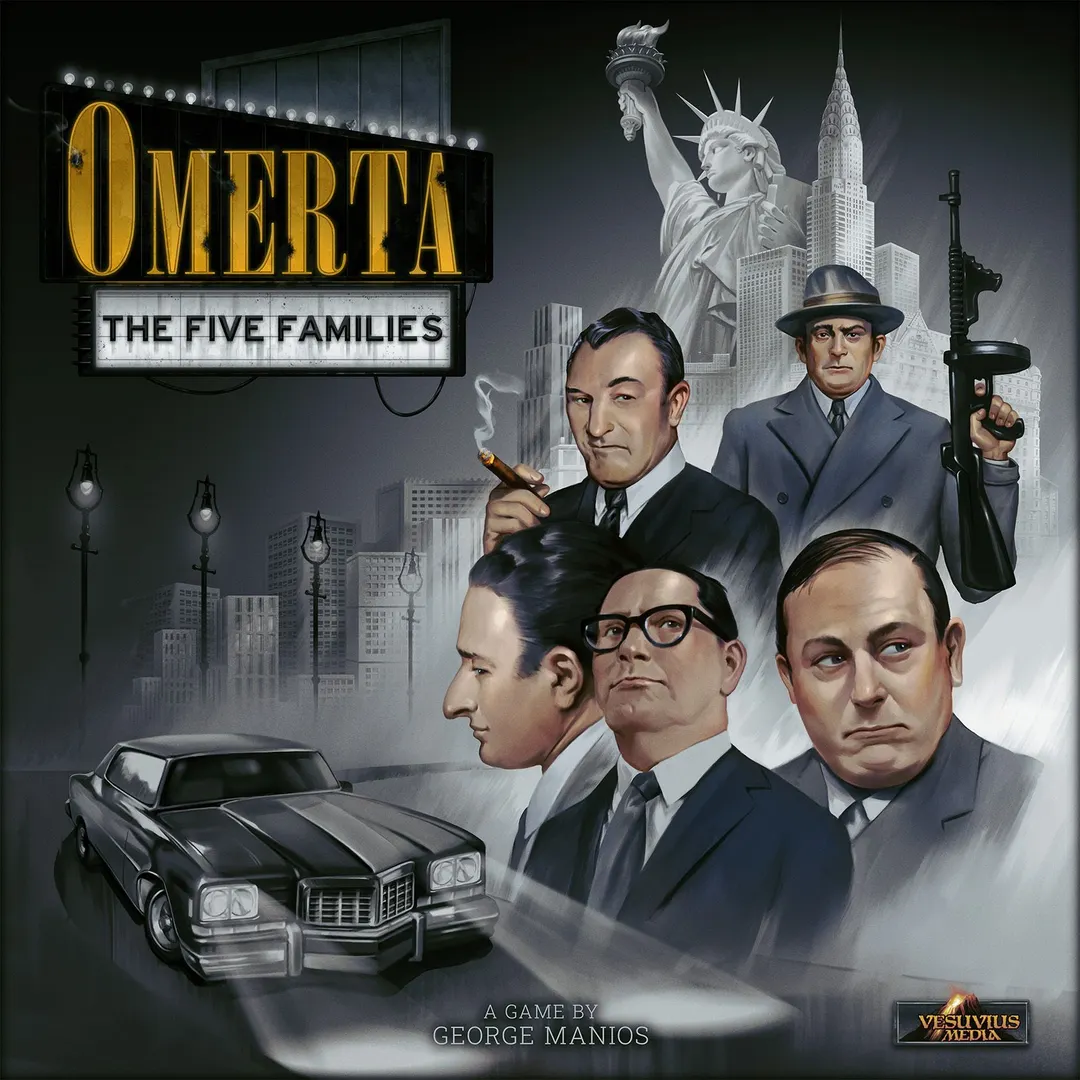
Omertà: The Five Families
- 2–5 Spieler
- 60–180 Min.
- Komplexität 3,8/5
- 2025

2022
Regelhilfe für Tulip & Rose
Verständliche Erklärungen zu Spielzügen, Karteneffekten und strittigen Situationen mit Verweisen auf offizielle Quellen und gespeichertem Fragenverlauf.
Was möchtest du wissen?
Antworten stammen aus dem offiziellen Regelheft, mit Seitenangabe zum Nachprüfen.
Tulip & Rose ist ein Brettspiel aus dem Jahr 2022 für 3–5 Personen, mit 40–60 Minuten pro Partie und ab 10 Jahren. Entwickelt wurde es von George Manios; die wichtigsten Mechaniken sind Variable Player Powers, Set Collection und Auction / Bidding.







Auf Englisch
Set at the end of the 17th century Amsterdam Tulip & Rose takes you into the booming flower trade of the period. The flower market is full of merchants that want to strike the best deals, find rare species for their exceptional collections or earn the best value for their flowers’ merchandise. In order to do so, a fresh twist of I cut you choose mechanic, used to maximize your profit from the following auctions, is implemented. You and your fellow players are flower merchants, participating in a two days festival! Think smart, make good use of your coins, decide what you’ll keep and what you’ll sell wisely and the victory will be yours. Here’s a brief description of the game and its gameplay: Players try to get the most points out of the flowers they have gathered and the coins they’ve collected. The game is played in two “days”, and on each “day” several rounds are played (1 round per player). On each round, one player is the “active merchant”, and he tries to sell flowers to the rest of the players. Contents 84 Flower Cards 22 Special Cards 15 Special Orders Cards (these are used in a variant) 5 Scoring Assistant Cards 5 Merchant Cards 70 coins in 3 different values 10 Loan tiles 1 Rulebook Setup Before the game starts, each player selects (or is given randomly) a merchant card, a scoring assistant card and some coins. The flower and special cards are shuffled together, and are placed as a face-down deck on the center of the table. Gameplay Each round consists of the following: - Receive Income: this applies to all players. Each one gets coins from the bank, depending on who his/her merchant is, and what cards he/she possesses (some cards offer income). - Reveal cards: The active player draws and reveals a number of cards from the deck, arranges them into two or three “bouquets” and offers them, one by one, for auction. The other players announce their bids (each player can bid more than once), and this continues until someone offers an amount no-one else wishes to surpass. The active merchant then has two options: to give the bouquet to the highest bidder and get the money, or to keep the bouquet to himself/herself, and give the high bidder an amount of money equal to half his/her high bid. End of the Game At the end of the second day the game ends, and each player counts the points he/she gathered from his/her flower collection and his/her coins. The player with the most points is the winner!
Laut Katalog unterstützt Tulip & Rose 3–5 Personen. Diese Spanne entspricht der vom Verlag angegebenen Spielerzahl, das Spiel lässt sich also für jede Gruppengröße innerhalb dieser Spanne aufbauen. Aufbau, einzelne Regeln und Wertungsdetails können je nach Personenzahl trotzdem abweichen; prüfe daher die genaue Konfiguration in der Anleitung deiner Ausgabe.
Die angegebene Spieldauer für Tulip & Rose beträgt 40–60 Minuten. Das ist die Schätzung des Verlags für eine vollständige Partie. Die tatsächliche Dauer hängt von der Gruppe, der Personenzahl und der Regelkenntnis ab: Erste Partien dauern meist länger, erfahrene Gruppen sind oft schneller fertig. Aufbau und Regelerklärung sind in dieser Schätzung nicht enthalten.
Im Katalog wird Tulip & Rose ab 10 Jahren empfohlen. Das ist die Empfehlung des Verlags und berücksichtigt Leseanforderungen, Regelkomplexität und Kleinteile, nicht nur das Thema. Jüngere Kinder können oft mit Hilfe eines Erwachsenen mitspielen; beachte die Altersangabe deiner Ausgabe und die Brettspielerfahrung deiner Gruppe.
Tulip & Rose hat bei BoardGameGeek eine Komplexitätswertung von 2,3 von 5 und gilt damit als eher leichtes Spiel. Die Wertung zeigt, wie viel Regelwissen, Planung und Entscheidungen eine typische Partie verlangt. Schwerere Spiele brauchen bei der ersten Erklärung mehr Zeit, daher hilft vor dem Spieleabend eine Vorbereitungsanleitung.
Tulip & Rose gehört zu diesen Kategorien: Card Game. Die wichtigsten Mechaniken sind Variable Player Powers, Set Collection und Auction / Bidding. Kategorien beschreiben Thema und Setting eines Spiels, Mechaniken dagegen, was die Spielenden in ihrem Zug tatsächlich tun. Jede Mechanik führt zu einer Katalogseite mit ähnlichen Spielen, falls du etwas Vergleichbares suchst.
Als Autoren von Tulip & Rose sind angegeben: George Manios. Diese Angaben stammen aus den veröffentlichten Spieldaten und nennen die für das Spieldesign verantwortlichen Personen, nicht die Illustratoren oder Verlage. Die Autorenseiten auf MeepleRules sammeln weitere Titel derselben Autoren – praktisch, wenn dir ein Spiel gefällt und du ähnliche Spiele suchst.
Im Katalog ist Tulip & Rose als Grundspiel aufgeführt. Es lässt sich eigenständig mit dem Material aus der Schachtel spielen und benötigt keinen weiteren Titel. Erweiterungen, sofern es welche gibt, ergänzen neues Material oder neue Regeln und sind im Katalog separat mit einem Verweis auf dieses Grundspiel aufgeführt.