
- BGG-Rang
- BGG #1.685
- BGG-Bewertung
- 7,5
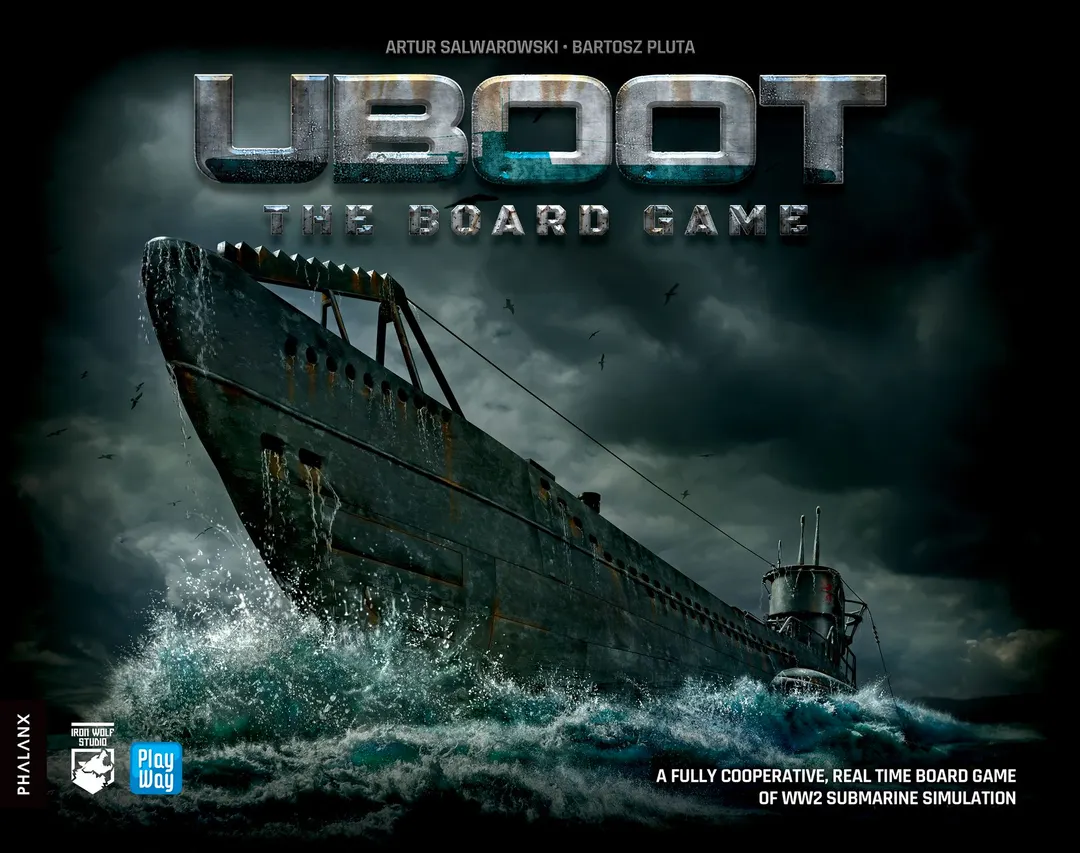
UBOOT: The Board Game
- 1–4 Spieler
- 30–120 Min.
- Komplexität 4,2/5
- 2019
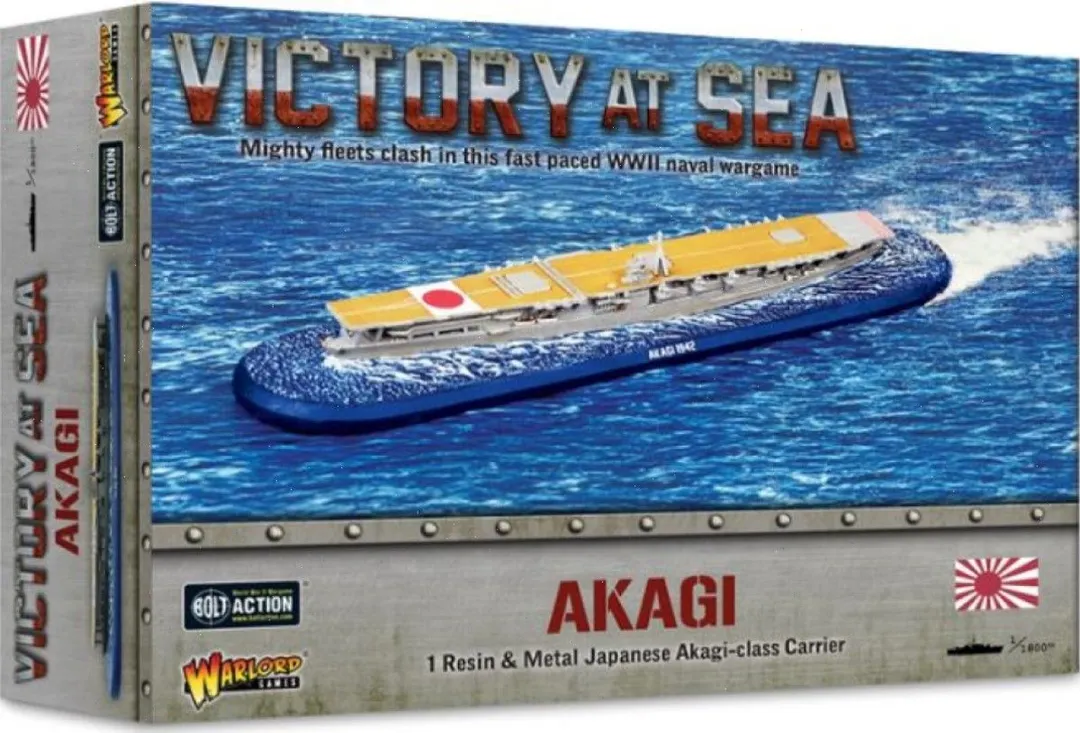
Regelhilfe für Victory at Sea: Akagi
Verständliche Erklärungen zu Spielzügen, Karteneffekten und strittigen Situationen mit Verweisen auf offizielle Quellen und gespeichertem Fragenverlauf.
Was möchtest du wissen?
Antworten stammen aus dem offiziellen Regelheft, mit Seitenangabe zum Nachprüfen.
Victory at Sea: Akagi ist eine Erweiterung für Victory at Sea: Battle for the Pacific aus dem Jahr 2021 für 2 Personen und ab 10 Jahren. Die wichtigsten Mechaniken sind Simulation.





Auf Englisch
Originally laid down as an Amagi-class battlecruiser, the stipulations of the Washington Treaty resulted in her conversion to an aircraft carrier. As a result, Akagi (赤城, "Red Castle") was one of Japan’s first large aircraft carriers. Akagi and her near-sister Kaga straddled the line between carrier and dreadnought. To keep both options open, the ships were designed to be quickly converted to capital ships. They carried turret barbettes, magazines and other equipment to support big gun turrets, and the wooden flight deck and hangar deck were designed to be quickly stripped off, making room for turrets to be mounted. However, by the mid-1930s, the admirals believed the aircraft carrier to be the equal of the capital ship and Akagi was extensively rebuilt to improve aircraft handling capacity, ending any possibility of later converting it to a capital ship. Her aircraft served in the Second Sino-Japanese War in the late 1930s. With the formation of the First Air Fleet in 1941, she became its flagship, and remained so until her sinking. Notable actions include the attack on Pearl Harbor, the invasion of Rabaul, bombing Darwin, Australia and the Indian Ocean Raid. In June 1942, she participated in the Battle of Midway, her aircraft bombarding the American-held atoll. However, US aircraft originating from Midway, and the US carriers Enterprise, Hornet and Yorktown attacked Akagi and three other Japanese fleet carriers. Dive bombers from USS Enterprise severely damaged Akagi, forcing friendly escorting destroyers to scuttle her to avoid her falling into US hands. The loss of four Japanese carriers at this engagement, including Akagi, was a key defeat for Japan, decisively shifting the balance of power in the Pacific theatre. —description from the publisher
Laut Katalog unterstützt Victory at Sea: Akagi 2 Personen. Das ist die vom Verlag angegebene Spielerzahl, das Spiel ist also genau für diese Anzahl von Mitspielenden ausgelegt. Varianten für andere Gruppengrößen sind, sofern vorhanden, in der Anleitung deiner Ausgabe beschrieben; prüfe sie, bevor du eine andere Konfiguration aufbaust.
Im Katalog wird Victory at Sea: Akagi ab 10 Jahren empfohlen. Das ist die Empfehlung des Verlags und berücksichtigt Leseanforderungen, Regelkomplexität und Kleinteile, nicht nur das Thema. Jüngere Kinder können oft mit Hilfe eines Erwachsenen mitspielen; beachte die Altersangabe deiner Ausgabe und die Brettspielerfahrung deiner Gruppe.
Victory at Sea: Akagi gehört zu diesen Kategorien: Wargame, Miniatures und Nautical. Die wichtigsten Mechaniken sind Simulation. Kategorien beschreiben Thema und Setting eines Spiels, Mechaniken dagegen, was die Spielenden in ihrem Zug tatsächlich tun. Jede Mechanik führt zu einer Katalogseite mit ähnlichen Spielen, falls du etwas Vergleichbares suchst.
Im Katalog ist Victory at Sea: Akagi als Erweiterung zu Victory at Sea: Battle for the Pacific aufgeführt. Erweiterungen ergänzen das Grundspiel um neues Material, neue Regeln oder Szenarien und sind meist nicht eigenständig spielbar; du brauchst also Victory at Sea: Battle for the Pacific, um sie zu nutzen. Prüfe, ob deine Ausgabe von Victory at Sea: Battle for the Pacific kompatibel ist, da manche Erweiterungen zwischen den Auflagen überarbeitet wurden.