
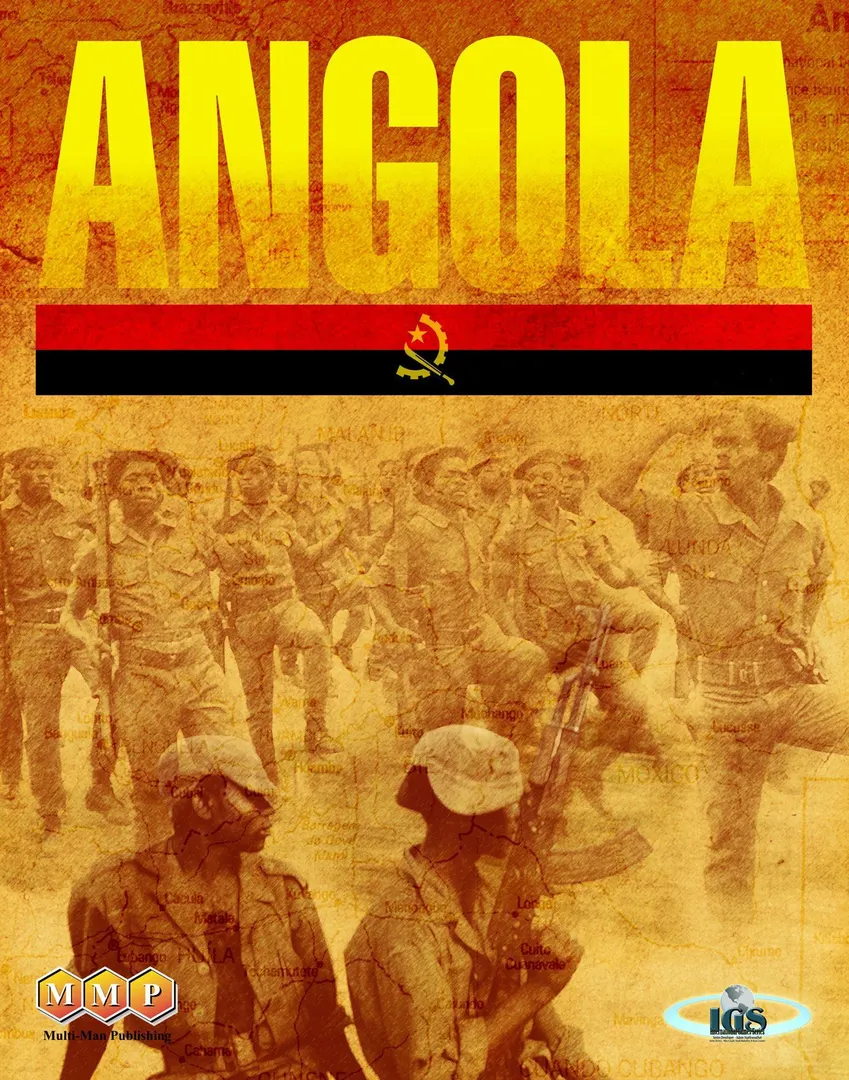
- BGG-Rang
- BGG #3.296
- BGG-Bewertung
- 8,0
Angola
- 2–4 Spieler
- 480 Min.
- Komplexität 3,2/5
- 1988
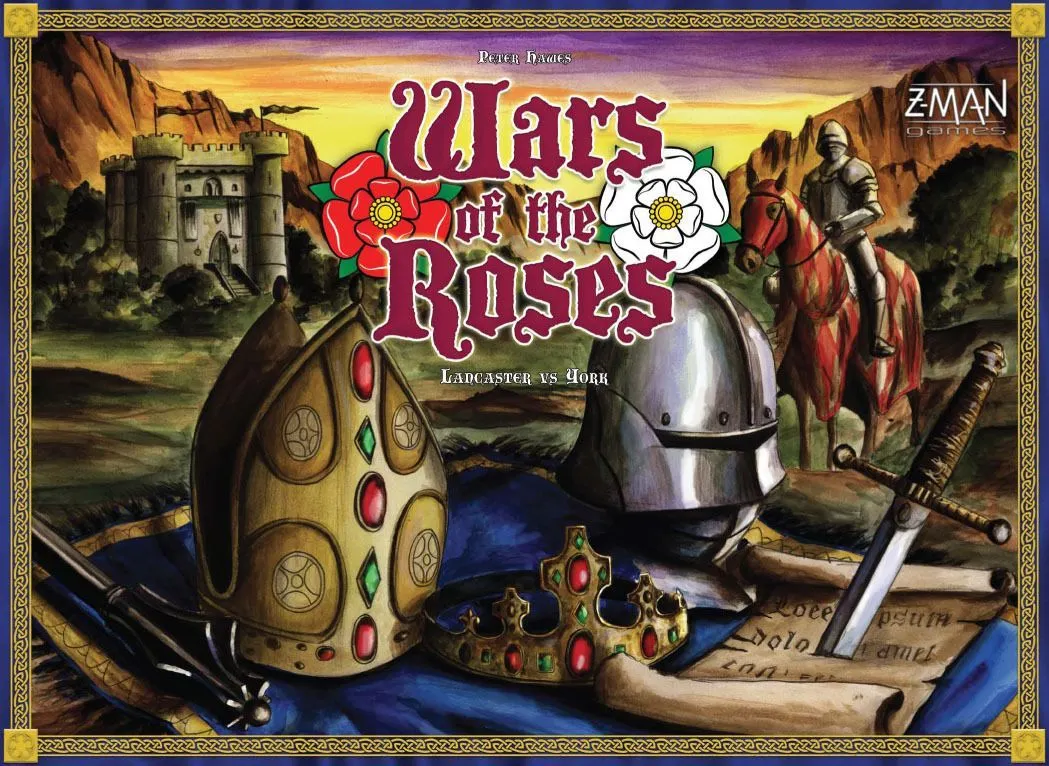
2010
Regelhilfe für Wars of the Roses: Lancaster vs. York
Verständliche Erklärungen zu Spielzügen, Karteneffekten und strittigen Situationen mit Verweisen auf offizielle Quellen und gespeichertem Fragenverlauf.
Für 2 Personen
Was möchtest du wissen?
Antworten stammen aus dem offiziellen Regelheft, mit Seitenangabe zum Nachprüfen.
Wars of the Roses: Lancaster vs. York ist ein Brettspiel aus dem Jahr 2010 für 2–4 Personen, mit 180 Minuten pro Partie und ab 13 Jahren. Entwickelt wurde es von Peter Hawes; die wichtigsten Mechaniken sind Area Movement, Area Majority / Influence und Simultaneous Action Selection.
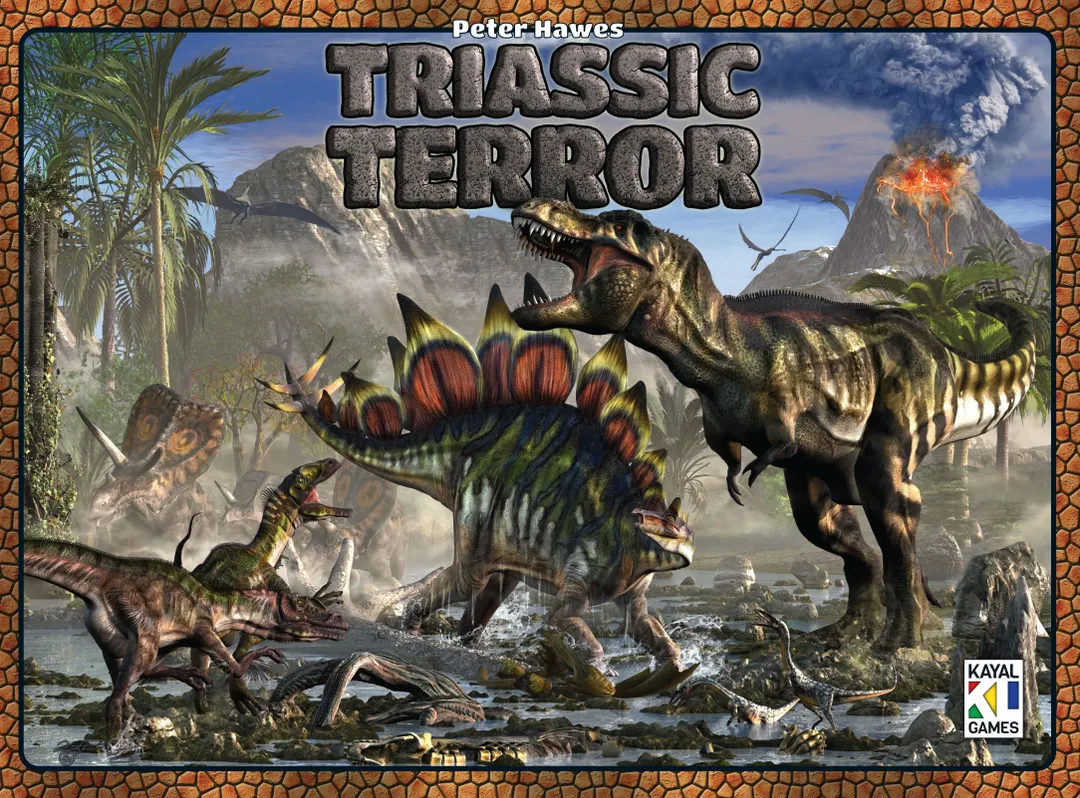
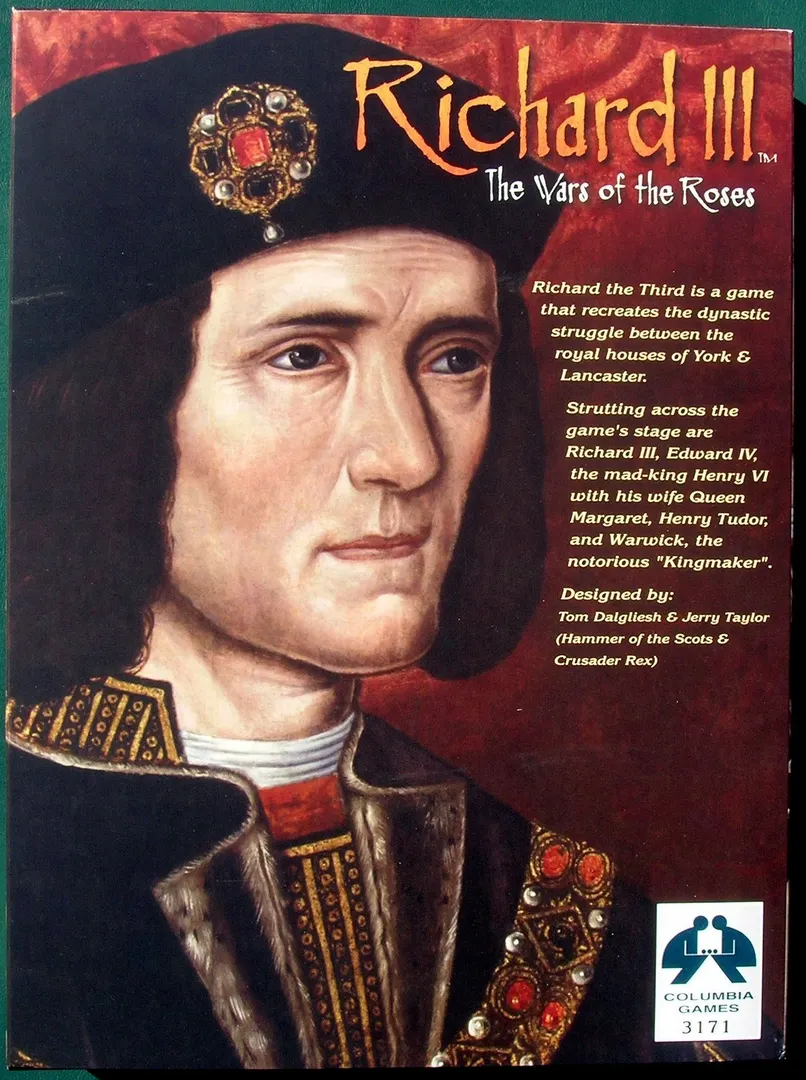
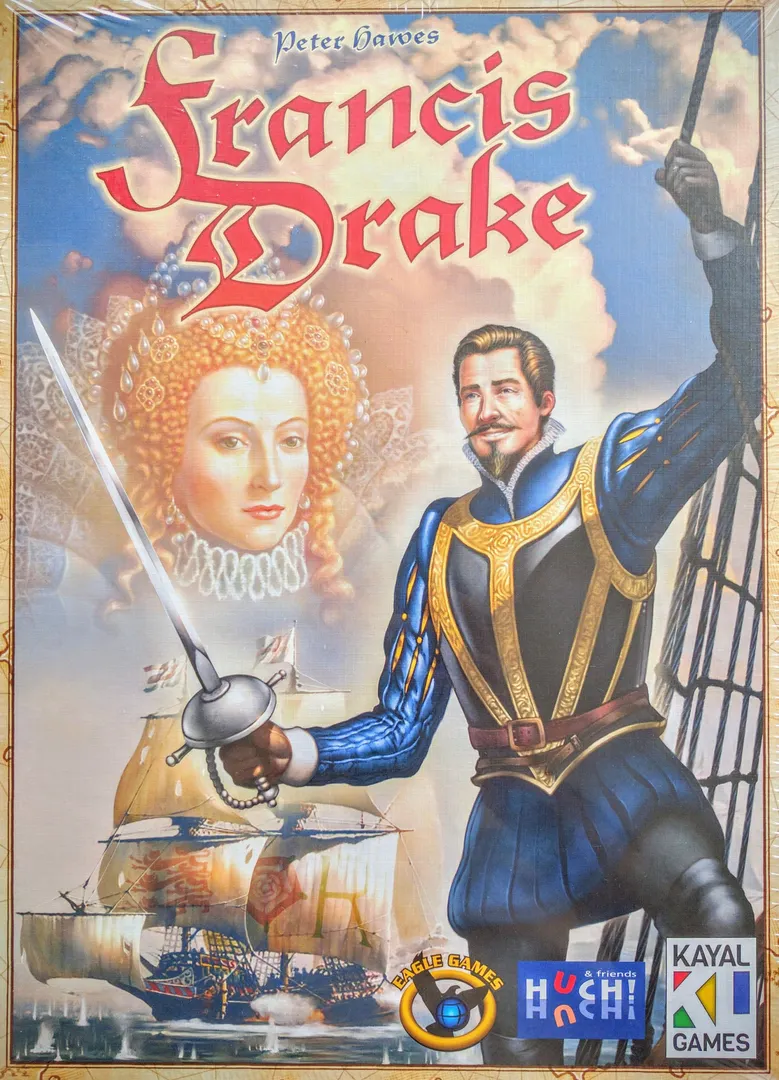

Auf Englisch
Two Lancastrians and two Yorkists draft cards that give them control of major towns, nobles, bishops and royal castles. Income generated by these enables them to raise armies and to bribe nobles, bishops and ship captains to change allegiance. Players then use secret planning and simultaneous deployment to gain control of the six areas in England and Wales and, hopefully, enough votes in parliament to crown their royal heir as king. From the back of the box: Journey back to England, 1450, just prior to the outbreak of the bitter civil war between the Royal Houses of Lancaster and York. Henry VI, a Lancastrian, was proving to be a weak ruler, so the wealthy and ambitious Richard, Duke of York, looked to put things right. The powerful noble families had to choose sides and over the next 40 years, kings, royal heirs, and great nobles were to die, in what was to become known as the Wars of the Roses. Players take on the role of Lancastrians and Yorkists, who must gather support from the major towns and powerful noble families and attempt to control the royal castles throughout the country. Ports, the shipping trade, and financial aid from the Church and France are also needed. As their faction grows in strength, players vie for the King’s favor and look to earn the prestigious titles of Captain of Calais, Archbishop of Canterbury, Warden of the Cinque Ports, Lord High Admiral and Constable of the Tower of London. Money means power, because loyalty can be bought, so players should be prepared for the inevitable treachery as nobles change allegiance at crucial times, affecting the balance of power. When Parliament is called, each region in England will support one or other of the two Royal Houses and the crown will go to the one with the greater power base. Nobles loyal to this House will be rewarded by a grateful King. Eventually, only one Royal House will boast the King, but the player who has gathered the most money and prestige will win, regardless of his allegiance.
Laut Katalog unterstützt Wars of the Roses: Lancaster vs. York 2–4 Personen. Diese Spanne entspricht der vom Verlag angegebenen Spielerzahl, das Spiel lässt sich also für jede Gruppengröße innerhalb dieser Spanne aufbauen. Aufbau, einzelne Regeln und Wertungsdetails können je nach Personenzahl trotzdem abweichen; prüfe daher die genaue Konfiguration in der Anleitung deiner Ausgabe.
Die angegebene Spieldauer für Wars of the Roses: Lancaster vs. York beträgt 180 Minuten. Das ist die Schätzung des Verlags für eine vollständige Partie. Die tatsächliche Dauer hängt von der Gruppe, der Personenzahl und der Regelkenntnis ab: Erste Partien dauern meist länger, erfahrene Gruppen sind oft schneller fertig. Aufbau und Regelerklärung sind in dieser Schätzung nicht enthalten.
Im Katalog wird Wars of the Roses: Lancaster vs. York ab 13 Jahren empfohlen. Das ist die Empfehlung des Verlags und berücksichtigt Leseanforderungen, Regelkomplexität und Kleinteile, nicht nur das Thema. Jüngere Kinder können oft mit Hilfe eines Erwachsenen mitspielen; beachte die Altersangabe deiner Ausgabe und die Brettspielerfahrung deiner Gruppe.
Wars of the Roses: Lancaster vs. York hat bei BoardGameGeek eine Komplexitätswertung von 3,2 von 5 und gilt damit als mittelschweres Spiel. Die Wertung zeigt, wie viel Regelwissen, Planung und Entscheidungen eine typische Partie verlangt. Schwerere Spiele brauchen bei der ersten Erklärung mehr Zeit, daher hilft vor dem Spieleabend eine Vorbereitungsanleitung.
Wars of the Roses: Lancaster vs. York gehört zu diesen Kategorien: Wargame, Medieval und Political. Die wichtigsten Mechaniken sind Area Movement, Area Majority / Influence und Simultaneous Action Selection. Kategorien beschreiben Thema und Setting eines Spiels, Mechaniken dagegen, was die Spielenden in ihrem Zug tatsächlich tun. Jede Mechanik führt zu einer Katalogseite mit ähnlichen Spielen, falls du etwas Vergleichbares suchst.
Als Autoren von Wars of the Roses: Lancaster vs. York sind angegeben: Peter Hawes. Diese Angaben stammen aus den veröffentlichten Spieldaten und nennen die für das Spieldesign verantwortlichen Personen, nicht die Illustratoren oder Verlage. Die Autorenseiten auf MeepleRules sammeln weitere Titel derselben Autoren – praktisch, wenn dir ein Spiel gefällt und du ähnliche Spiele suchst.
Im Katalog ist Wars of the Roses: Lancaster vs. York als Grundspiel aufgeführt. Es lässt sich eigenständig mit dem Material aus der Schachtel spielen und benötigt keinen weiteren Titel. Erweiterungen, sofern es welche gibt, ergänzen neues Material oder neue Regeln und sind im Katalog separat mit einem Verweis auf dieses Grundspiel aufgeführt.