

- BGG rank
- BGG #5,232
- BGG rating
- 8.0
18OE: On the Rails of the Orient Express
- 2–8 players
- 720 min
- Complexity 4.5/5
- 2014
2011
Rules assistance for 1865: Sardinia
Plain-language explanations of turns, card effects and disputed situations, with official source references and saved question history.
For 2 players
What would you like to know?
Answers come from the official rulebook, with the page to check.
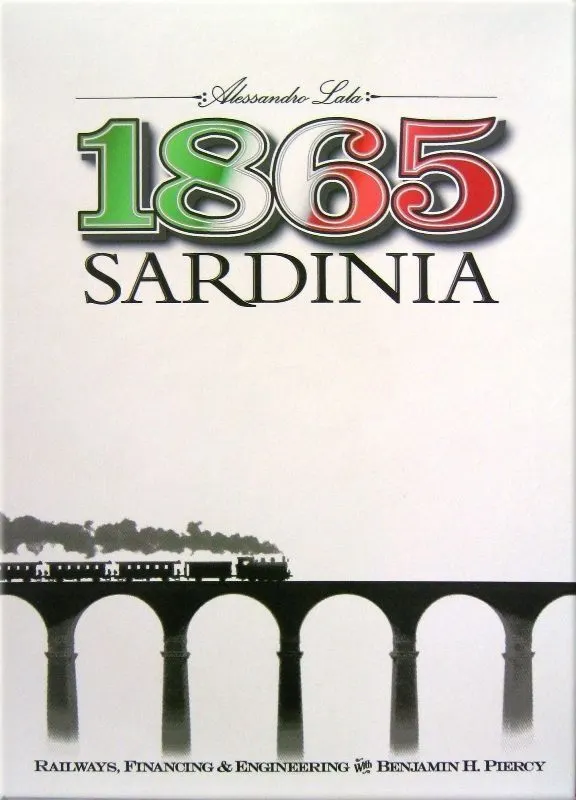
1865: Sardinia is a board game released in 2011 for 2–4 players, 240 minutes per game, and ages 14 and up. It was designed by Alessandro Lala and its main mechanics are Auction / Bidding, Tile Placement, and Network and Route Building.

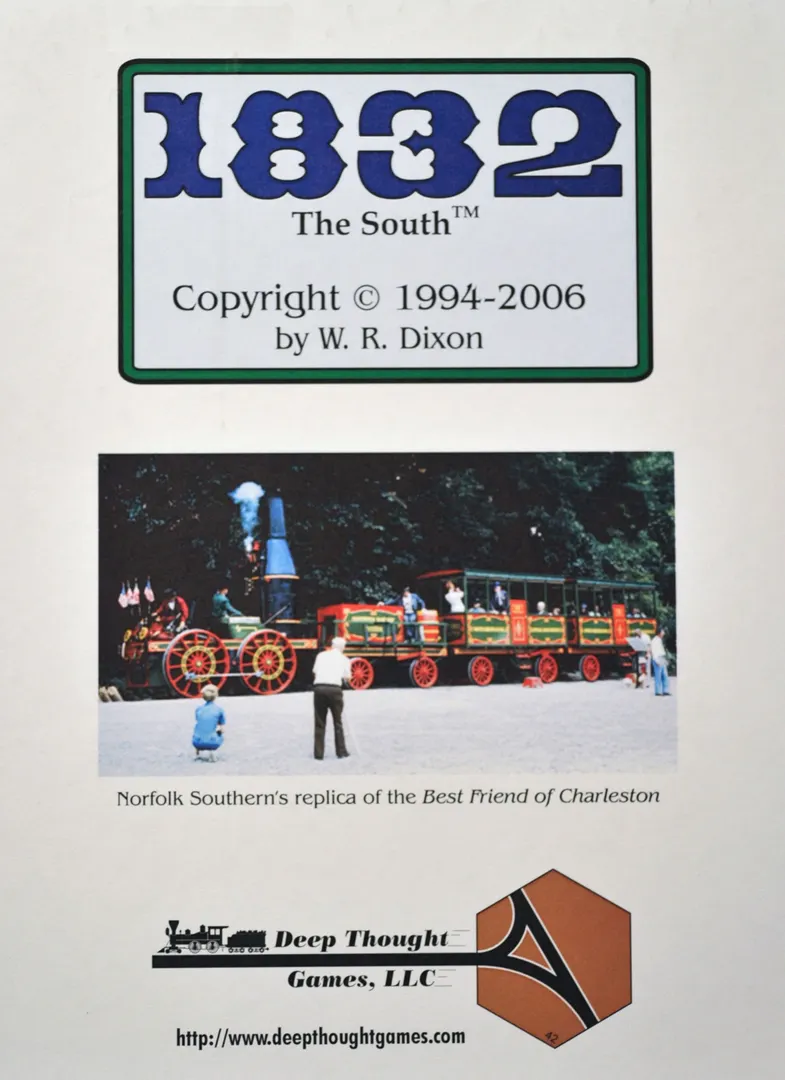
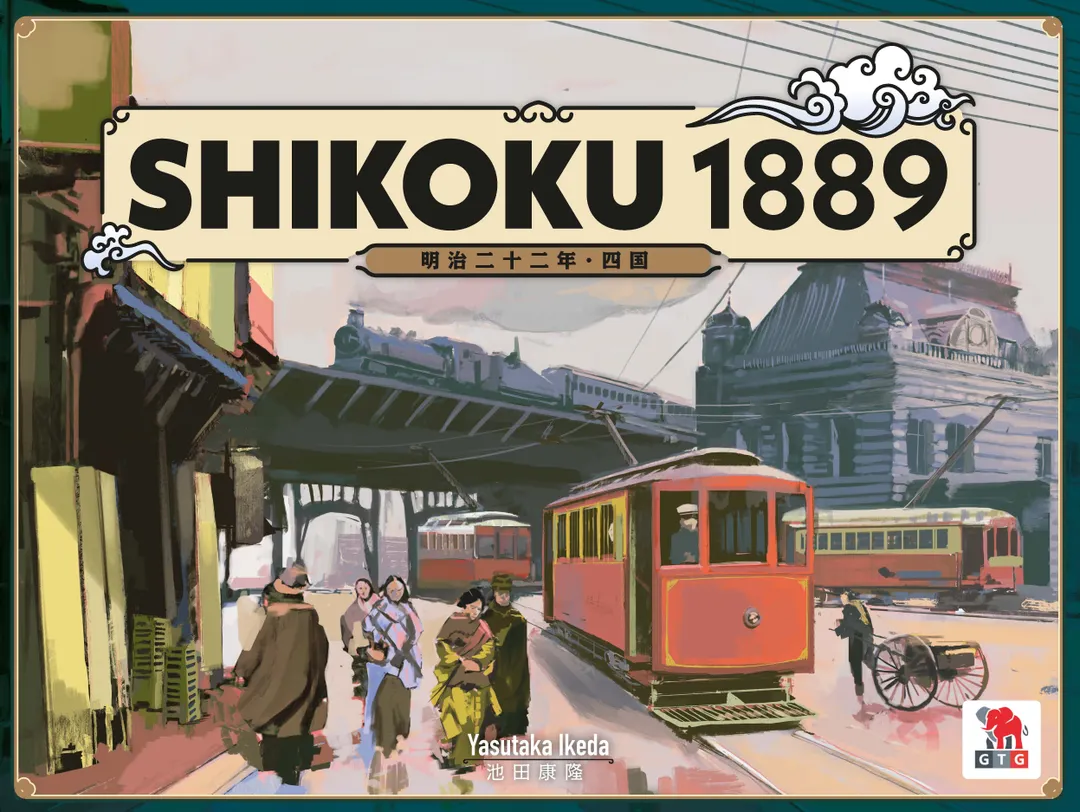
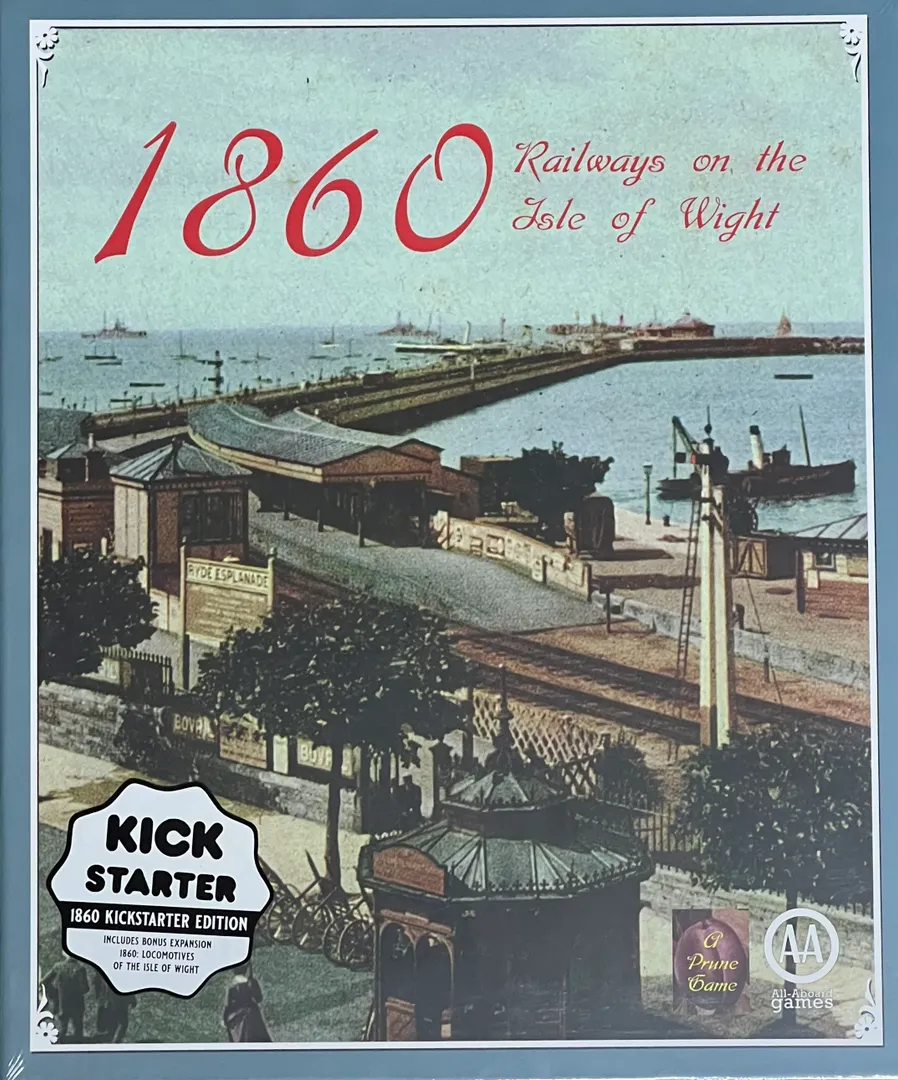
1865 Sardinia is a board game belonging to the 18xx series for 2-4 players and set on the Sardinia island (and Corsica). Players play the role of 19th century entrepreneurs investing in the construction as well as the financial and operational management of railways. Selling and buying shares on the stock market, seeking new sources of funding, laying track and placing stations, running trains and paying dividends are all basic elements of 18xx games. In addition, 1865 Sardinia has several features that make it different from other 18xx titles. The most important distinctions are: a traffic based system that makes calculating company's revenues easier and faster foreign investors (Dragons) trade in certificates in addition to human players an absorption mechanism that allows companies to acquire each other Other interesting points: before phase 5, all companies start as minor companies with 40%/20%/20%/20% shares converting a company from minor to major requires a direct route from a company base to a historical destination city private companies become 2 trains when transferred to a company and also provide extra traffic buying trains from bank makes the share price jump up the last 2, 3, and 4 train comes with a discount withholding money in company doesn't reduce the share price tiles can be replaced with another tile of same color, provided the current connections are retained bankrupt players are given enough loans to keep them in game, loans are then deducted from final score in the end Dragons during stock rounds, the Dragons will also trade each stock round begins with a Dragon and Dragons also play between each player dragons are interested in company's rank, an indicator based on the sum of trains phase and tokens on board, followed on a special table on the board dragons will immediately sell certificates in companies ranked red and will buy certificates ranked green, according to a fairly simple and consistent algorithm. players can buy shares from Dragons, but must pay a premium for well-ranked shares share prices are adjusted down when shares are sold by Dragons or the company president Traffic system when a company places a station marker, it gets to collect traffic chips from the board along the route mines also produce traffic chips, but diminish in value as the game proceeds each traffic chip is worth $10 in revenue revenues are the smaller value of total revenue in traffic chips and train capacity available phase 2 trains, for example, have 8 capacity each, so if company has two of those for 16 capacity and 14 traffic chips, it will make $140 in revenue, while adding three chips would increase the revenue to $160 because the capacity hits the roof at that point
1865: Sardinia supports 2–4 players according to the catalogue. This range comes from the publisher’s listed player count, so the game can be set up for any group size within it. Some setups, rules and scoring details may still vary by player count, so check your edition’s rulebook for the exact configuration.
The listed playing time for 1865: Sardinia is 240 minutes. This is the publisher’s estimate for a full game. The actual duration depends on the group, the player count and familiarity with the rules: first sessions usually run longer, while experienced groups often finish faster. Setup and teaching time are not included in this estimate.
The catalogue lists 1865: Sardinia for ages 14 and up. This is the publisher’s recommendation and reflects reading demands, rule complexity and small components rather than theme alone. Younger players can often join with help from an adult, so check the age guidance on your edition and consider your group’s experience with board games.
1865: Sardinia has a complexity rating of 3.9 out of 5 from BoardGameGeek players, which makes it a heavy game. The rating reflects how much rules knowledge, planning and decision-making a typical game demands. Expect a longer first teach for heavier games, and use a preparation guide before game night.
1865: Sardinia belongs to these categories: Economic, Trains, and Transportation. Its main mechanics are Auction / Bidding, Tile Placement, and Network and Route Building. Categories describe the theme and setting of a game, while mechanics describe what players actually do on their turns. Each mechanic links to a catalogue hub with similar games, which helps when you want something comparable.
The credited designers of 1865: Sardinia are: Alessandro Lala. These credits come from the published game data and name the people responsible for the game’s design, not its illustrators or publishers. Designer pages on MeepleRules collect other titles by the same designers, which helps when you enjoy a game and want to find similar ones.
The catalogue lists 1865: Sardinia as a base game. It can be played on its own with the components in the box and does not require any other title. Expansions, if any exist, add new content or rules on top of it and are listed separately in the catalogue with a link back to this base game.