
- BGG rank
- BGG #8,637
- BGG rating
- 7.4
Grow Sky
- 1–4 players
- 45–90 min
- Complexity 2.5/5
- 2024
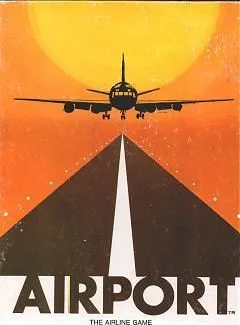
1972
Rules assistance for Airport
Plain-language explanations of turns, card effects and disputed situations, with official source references and saved question history.
For 2 players
What would you like to know?
Answers come from the official rulebook, with the page to check.
Airport is a board game released in 1972 for 2–4 players, 60 minutes per game, and ages 10 and up. Its main mechanics are Roll / Spin and Move and Track Movement.


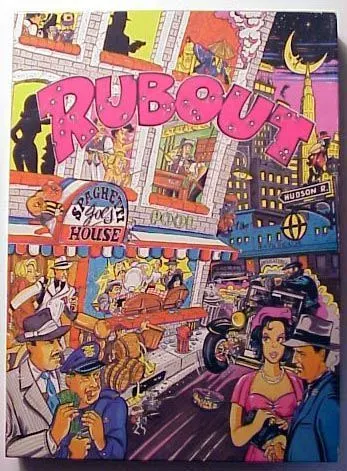
In Airport, the goal is to create the most profitable airline. The players start with a fixed number of aircraft which they distribute among the routes on the board. They then take turns rolling dice and moving their counters around the board. When a player lands on certain squares, he is paid for all aircraft he has on a particular route. The more aircraft there are on a single route, the lower the payment received for each aircraft. For example; on the New York to Seattle route, one aircraft will make $40,000. If there are 5 aircraft on the route, then each aircraft will earn $15,000, for a total of $75,000. All players receive payment for their aircraft on the route regardless of who landed on the square. Other squares on the board require the players to make certain payments (such as landing fees or ground service charges). The players are also required to perform maintenance on their aircraft. Airport cards can be drawn which give individual players bonuses (such as a mail cargo route) or penalties (such as a strike). The players also have the option of buying or leasing new aircraft or of selling old aircraft back to the bank. The first player to reach a net worth of one million dollars is the winner. This game is another variant on the venerable Monopoly game. The varying amount of payment based on the number of aircraft on a route is actually somewhat realistic, but otherwise it has about as much to do with how airlines are actually run as Monopoly does with actual real estate investment. But the flavor is good, and the game is interesting to play and reasonably fast. It can be seen as a foreshadowing of Avalon Hill's Air Baron.
Airport supports 2–4 players according to the catalogue. This range comes from the publisher’s listed player count, so the game can be set up for any group size within it. Some setups, rules and scoring details may still vary by player count, so check your edition’s rulebook for the exact configuration.
The listed playing time for Airport is 60 minutes. This is the publisher’s estimate for a full game. The actual duration depends on the group, the player count and familiarity with the rules: first sessions usually run longer, while experienced groups often finish faster. Setup and teaching time are not included in this estimate.
The catalogue lists Airport for ages 10 and up. This is the publisher’s recommendation and reflects reading demands, rule complexity and small components rather than theme alone. Younger players can often join with help from an adult, so check the age guidance on your edition and consider your group’s experience with board games.
Airport has a complexity rating of 1.5 out of 5 from BoardGameGeek players, which makes it a light game. The rating reflects how much rules knowledge, planning and decision-making a typical game demands. Expect a longer first teach for heavier games, and use a preparation guide before game night.
Airport belongs to these categories: Economic, Transportation, and Aviation / Flight. Its main mechanics are Roll / Spin and Move and Track Movement. Categories describe the theme and setting of a game, while mechanics describe what players actually do on their turns. Each mechanic links to a catalogue hub with similar games, which helps when you want something comparable.
The catalogue lists Airport as a base game. It can be played on its own with the components in the box and does not require any other title. Expansions, if any exist, add new content or rules on top of it and are listed separately in the catalogue with a link back to this base game.