
- BGG rank
- BGG #2,451
- BGG rating
- 6.3
Scrabble
- 2–4 players
- 90 min
- Complexity 2.1/5
- 1948
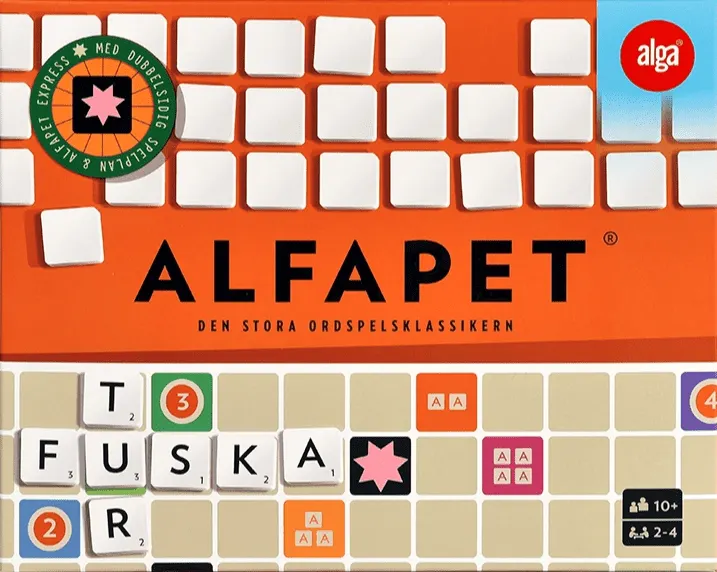
1993
Rules assistance for Alfapet
Plain-language explanations of turns, card effects and disputed situations, with saved question history.
What would you like to know?
Answers come from the official rulebook, with the page to check.
Alfapet is a board game released in 1993 for 2–4 players, 30–60 minutes per game, and ages 10 and up. Its main mechanics are Hand Management and Tile Placement.
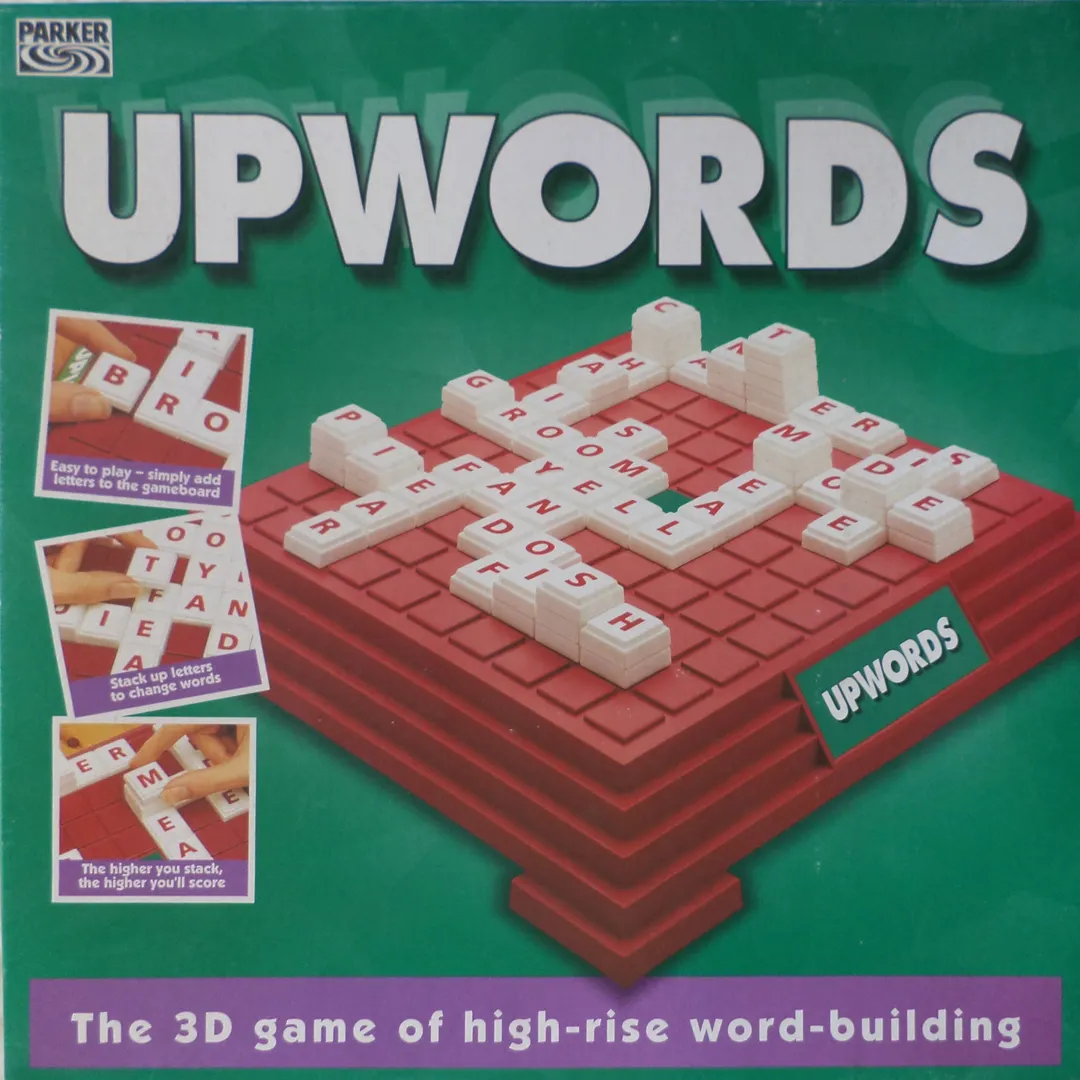
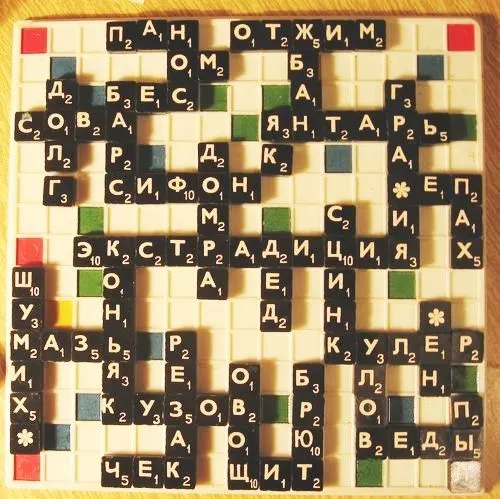


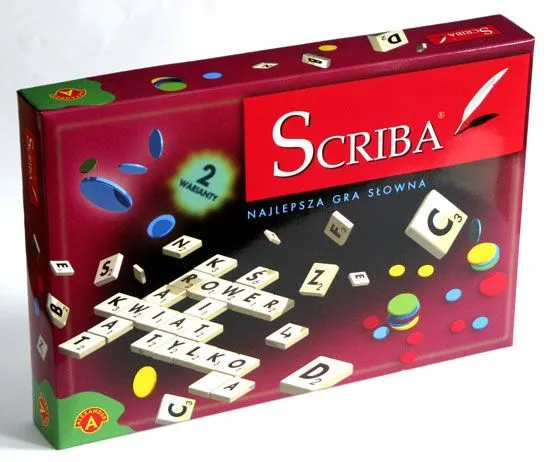
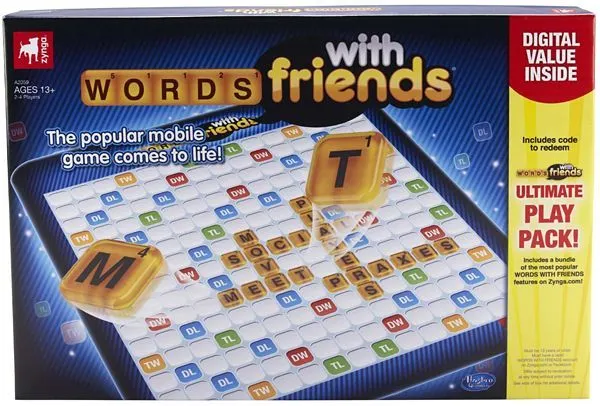
When Scrabble was introduced in Sweden in the mid-1950s, it was translated as Alfapet, and sold under that name for decades. In the early 1990's, the rights to the game reverted to the original publisher for some reason, but the rights to the name Alfapet stayed with BRIO. BRIO had purchased Alga some 10 years before and had made them BRIO's board game arm, phasing out the old board game brand Joker who had been used for all the Scrabble-Alfapets over the year. So BRIO gave Alga the task to invent and publish a new letter-tile-laying game with the name Alfapet, while firstly Spear's (one edition of Scrabble) and later their new owner Mattel, Inc. (all subsequent editions in Swedish) started publishing Scrabble in Sweden under its original name. It might be interesting to note that Joker's last Alfapet (of Scrabble type) and Spear's first was virtually identical to each other, save some names and logotypes. Joker's last edition of Scrabble Spear's first and only edition Alga's first edition of "new" Alfapet The name Alfapet was much more known, so this game sold better (most people who had heard of "Scrabble" thought it to be the English version of "Alfapet"). To a large extent, Alfapet and Scrabble are very similar games. The boards look a bit different; in Alfapet, there are for instance squares that decrease the number of points you get for a word, and there are +4 and *4 squares. With special arrow tiles it is possible to make a turn in the middle of a word. With a stop tile, you are allowed to lay a word directly after another without actually using the letters from the original word. It is also legal to lay a word in parallel adjacent to an existing word, as long as all the words thus created the other way are legal. To celebrate Alga's 90th anniversary a special limited edition was released called Alfapet Limited Edition. The only known difference in this limited edition is that it has a new dark design. Re-implements: Scrabble
Alfapet supports 2–4 players according to the catalogue. This range comes from the publisher’s listed player count, so the game can be set up for any group size within it. Some setups, rules and scoring details may still vary by player count, so check your edition’s rulebook for the exact configuration.
The listed playing time for Alfapet is 30–60 minutes. This is the publisher’s estimate for a full game. The actual duration depends on the group, the player count and familiarity with the rules: first sessions usually run longer, while experienced groups often finish faster. Setup and teaching time are not included in this estimate.
The catalogue lists Alfapet for ages 10 and up. This is the publisher’s recommendation and reflects reading demands, rule complexity and small components rather than theme alone. Younger players can often join with help from an adult, so check the age guidance on your edition and consider your group’s experience with board games.
Alfapet has a complexity rating of 1.9 out of 5 from BoardGameGeek players, which makes it a light game. The rating reflects how much rules knowledge, planning and decision-making a typical game demands. Expect a longer first teach for heavier games, and use a preparation guide before game night.
Alfapet belongs to these categories: Word Game. Its main mechanics are Hand Management and Tile Placement. Categories describe the theme and setting of a game, while mechanics describe what players actually do on their turns. Each mechanic links to a catalogue hub with similar games, which helps when you want something comparable.
The catalogue lists Alfapet as a base game. It can be played on its own with the components in the box and does not require any other title. Expansions, if any exist, add new content or rules on top of it and are listed separately in the catalogue with a link back to this base game.


