
- BGG rank
- BGG #13,575
- BGG rating
- 8.1
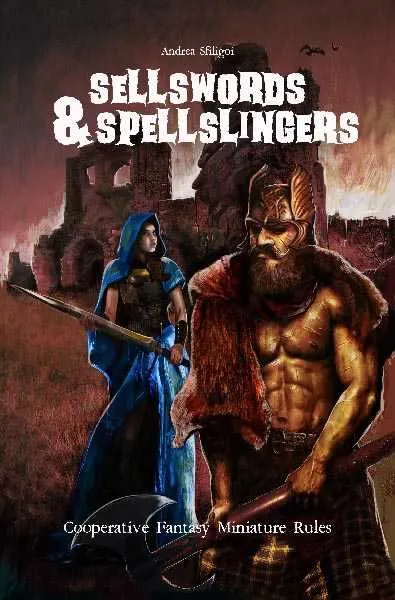
Sellswords & Spellslingers
- 1–6 players
- 30–120 min
- Complexity 2.0/5
- 2018
2026
Rules assistance for Alone against the Zone
Plain-language explanations of turns, card effects and disputed situations, with official source references and saved question history.
For 1 player
What would you like to know?
Answers come from the official rulebook, with the page to check.
Alone against the Zone is a board game released in 2026 for 1 player. It was designed by Andrea Sfiligoi and Alex Aparin and its main mechanics are Dice Rolling, Paper-and-Pencil, and Role Playing.
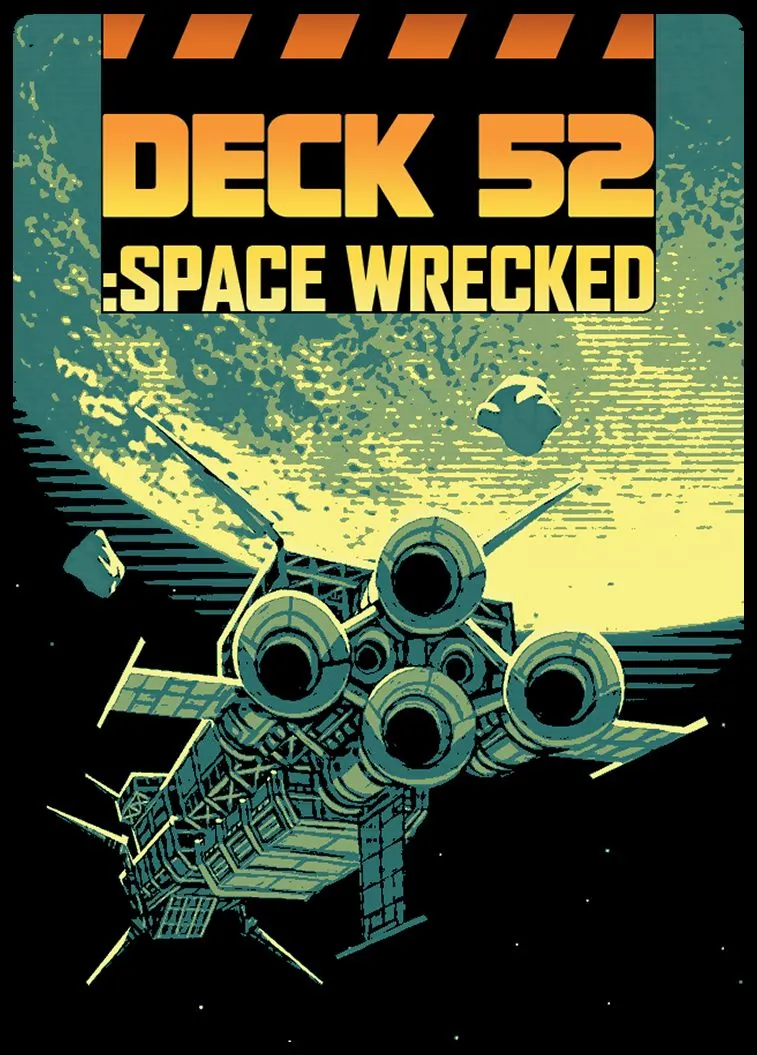
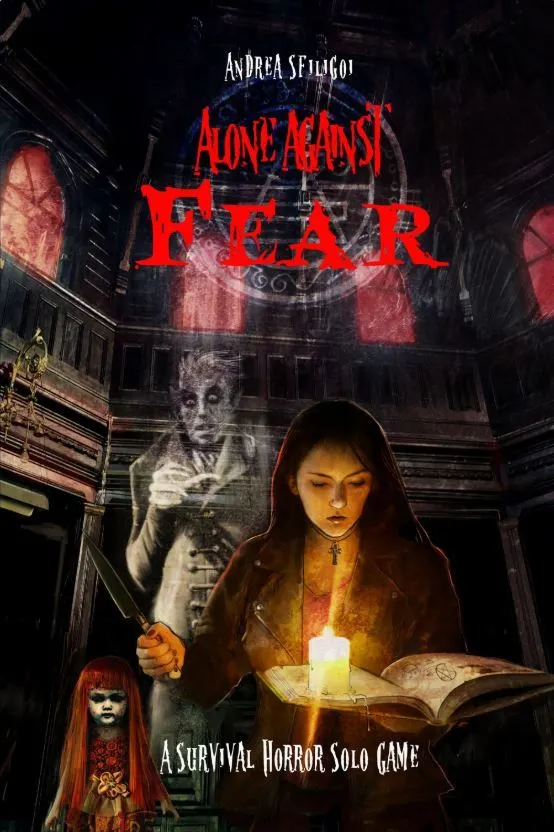
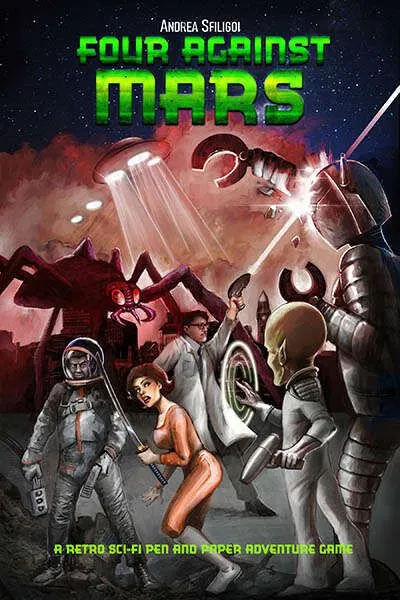
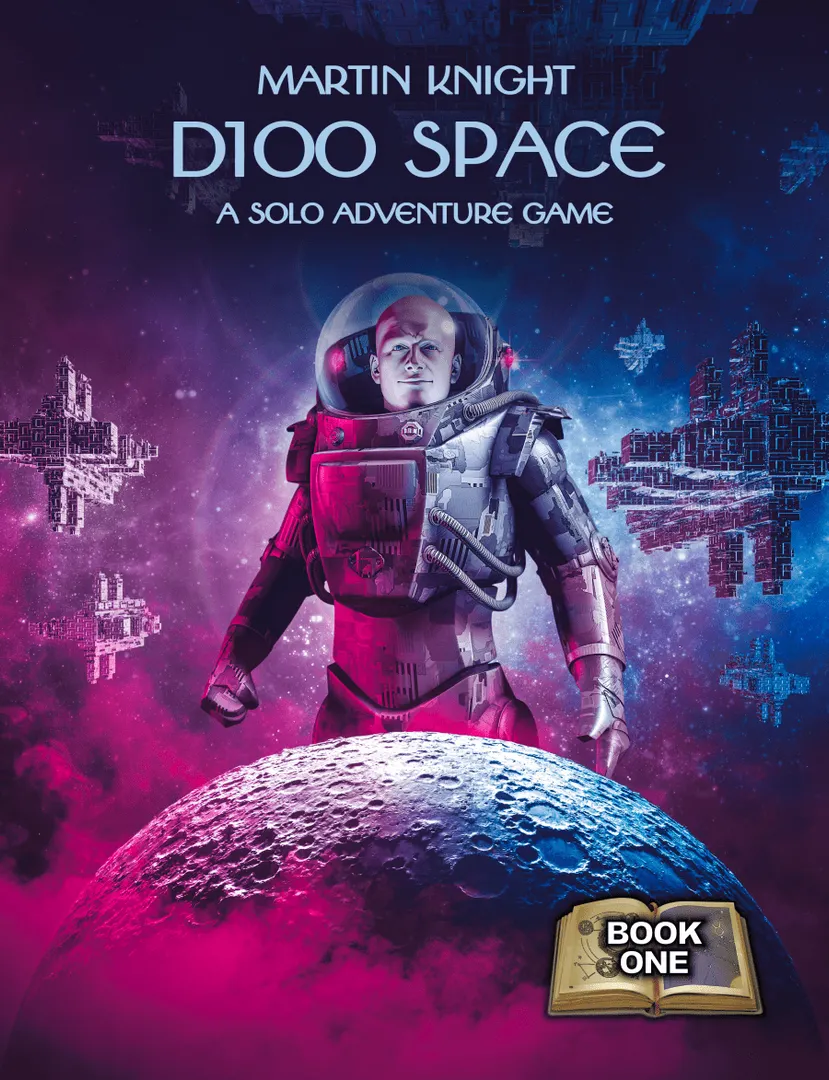
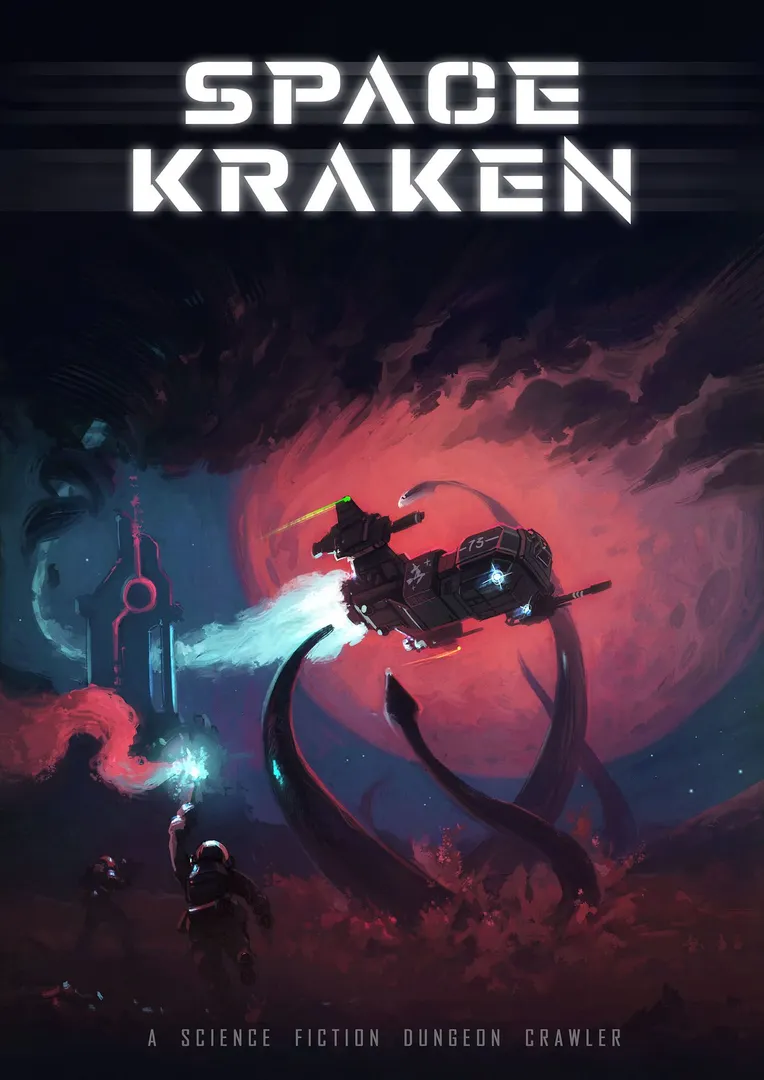
Alone Against the Zone is a solo narrative survival game set in a mysterious and hostile exclusion zone inspired by Eastern European post-disaster landscapes. Blending horror, exploration, and resource management, the game casts the player as a lone stalker venturing into a dangerous territory filled with anomalies, abandoned facilities, and hidden threats. Designed as a sandbox hexcrawl adventure, Alone Against the Zone emphasizes freeform exploration over linear storytelling. The Zone is generated and explored hex by hex, with each location presenting unique dangers, discoveries, and opportunities. Rather than following a branching narrative, players create their own stories through emergent gameplay, shaped by risk-taking, preparation, and chance. Gameplay centers on survival and decision-making: managing health, equipment, and scarce resources while navigating hazardous environments and resolving encounters. Each expedition is unpredictable, driven by random events and discoveries that can quickly shift the situation from manageable to deadly. A distinctive feature of the game is its legacy-style continuity. When a character dies—as they often will—the game does not end. Instead, players may continue exploring the same map with a new stalker, inheriting part of the previous character’s equipment or discoveries. This creates a persistent sense of progression and an evolving relationship with the Zone itself. Atmospheric and unforgiving, Alone Against the Zone focuses on isolation, tension, and emergent storytelling. There are no companions—only the player, their decisions, and the ever-dangerous Zone. Key Features: Solo sandbox hexcrawl exploration Persistent game world with character succession mechanics Emergent narrative shaped by player decisions and random events Resource management and high-risk survival gameplay Strong thematic focus on isolation, danger, and discovery How long can you survive—and what will you leave behind for those who follow? —description from the publisher
Alone against the Zone supports 1 player according to the catalogue. This is the publisher’s listed player count, so the game is designed for exactly that number of participants. Variants for other group sizes, if any, are described in the rulebook of your edition, so check it before setting up a different configuration.
Alone against the Zone has a complexity rating of 3.0 out of 5 from BoardGameGeek players, which makes it a medium-weight game. The rating reflects how much rules knowledge, planning and decision-making a typical game demands. Expect a longer first teach for heavier games, and use a preparation guide before game night.
Alone against the Zone belongs to these categories: Wargame, Adventure, and Miniatures. Its main mechanics are Dice Rolling, Paper-and-Pencil, and Role Playing. Categories describe the theme and setting of a game, while mechanics describe what players actually do on their turns. Each mechanic links to a catalogue hub with similar games, which helps when you want something comparable.
The credited designers of Alone against the Zone are: Andrea Sfiligoi and Alex Aparin. These credits come from the published game data and name the people responsible for the game’s design, not its illustrators or publishers. Designer pages on MeepleRules collect other titles by the same designers, which helps when you enjoy a game and want to find similar ones.
The catalogue lists Alone against the Zone as a base game. It can be played on its own with the components in the box and does not require any other title. Expansions, if any exist, add new content or rules on top of it and are listed separately in the catalogue with a link back to this base game.