
- BGG rating
- 1.0


Rules assistance for Anastyr
Plain-language explanations of turns, card effects and disputed situations, with official source references and saved question history.
What would you like to know?
Answers come from the official rulebook, with the page to check.
Anastyr is a board game for 1–4 players, 90–120 minutes per game, and ages 14 and up. It was designed by Philippe Ville and its main mechanics are Variable Player Powers, Dice Rolling, and Cooperative Game.









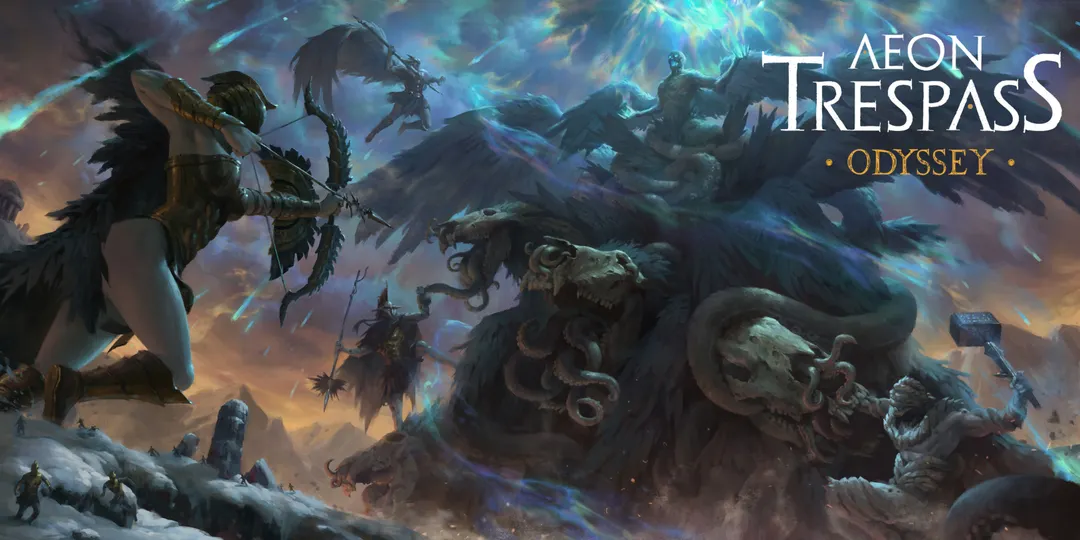


Between the time that saw the sinking of Atlantis and the great flood that was to cover the world, there was an unsuspected Bronze Age. An age of legends, raw magic and conflicts in the lush jungles and steaming swamps that would one day become the Mediterranean Sea. Heroes from all over the continent embarked on a Homeric quest to save the world from the threat posed by Anastyr, the queen of dragons. Anastyr is a cooperative board game with miniatures. Each player takes on the role of a powerful hero, and your team of heroes embarks on an incredible odyssey through a world where they will face hordes of enemies and monsters, wizards and warlords, all very different depending on the environment in which they live. Each hero has their own equipment and fighting style that will each evolve during the course of their journey; all hoping to be powerful enough to face the ultimate threat at the end of this epic, adventure-filled campaign! During their quest, heroes will ride a variety of mounts (horses, raptors, saber-toothed tigers and other exotic creatures) that will give them special advantages, and their combat skills and ability to coordinate with their companions will be tested constantly. Anastyr has some particularly immersive innovations, such as scrolling tiles, interchangeable magnetic mounts, and backdrops that turn your game board into a beautiful diorama. The game features a dynamic mix of playing cards and special dice to roll and introduces combat mechanics loosely based on brawler video games. Heroes eliminate their opponents by unleashing fearsome combos. But they will also be able to ravage the battlefield with their Fury, a devastating attack resulting from unleashing their rage that has accumulated over the course of the battle. Each hero has a unique deck, which reflects their individual fighting style. And in the campaign mode, this deck can be improved by the player by the addition of new cards they can choose which will reflect the evolution and the leveling up of the hero over time. —description from the publisher
Anastyr supports 1–4 players according to the catalogue. This range comes from the publisher’s listed player count, so the game can be set up for any group size within it. Some setups, rules and scoring details may still vary by player count, so check your edition’s rulebook for the exact configuration.
The listed playing time for Anastyr is 90–120 minutes. This is the publisher’s estimate for a full game. The actual duration depends on the group, the player count and familiarity with the rules: first sessions usually run longer, while experienced groups often finish faster. Setup and teaching time are not included in this estimate.
The catalogue lists Anastyr for ages 14 and up. This is the publisher’s recommendation and reflects reading demands, rule complexity and small components rather than theme alone. Younger players can often join with help from an adult, so check the age guidance on your edition and consider your group’s experience with board games.
Anastyr has a complexity rating of 2.8 out of 5 from BoardGameGeek players, which makes it a medium-light game. The rating reflects how much rules knowledge, planning and decision-making a typical game demands. Expect a longer first teach for heavier games, and use a preparation guide before game night.
Anastyr belongs to these categories: Fantasy, Dice, and Adventure. Its main mechanics are Variable Player Powers, Dice Rolling, and Cooperative Game. Categories describe the theme and setting of a game, while mechanics describe what players actually do on their turns. Each mechanic links to a catalogue hub with similar games, which helps when you want something comparable.
The credited designers of Anastyr are: Philippe Ville. These credits come from the published game data and name the people responsible for the game’s design, not its illustrators or publishers. Designer pages on MeepleRules collect other titles by the same designers, which helps when you enjoy a game and want to find similar ones.
The catalogue lists Anastyr as a base game. It can be played on its own with the components in the box and does not require any other title. Expansions, if any exist, add new content or rules on top of it and are listed separately in the catalogue with a link back to this base game.