

- BGG rating
- 5.9
Babylon 5 Component Game System: 2258 Starter Kit – Centauri
- 2–6 players
- 120 min
- Complexity 2.5/5
- 1997

1997
Rules assistance for Babylon 5 Component Game System: Core Sets
Plain-language explanations of turns, card effects and disputed situations, with official source references and saved question history.
What would you like to know?
Answers come from the official rulebook, with the page to check.
Babylon 5 Component Game System: Core Sets is a board game released in 1997 for 2–4 players, 120 minutes per game, and ages 10 and up. It was designed by Andrew Smith, George T. Henne, Jr., and C. Henry Schulte and its main mechanics are Variable Player Powers, Tile Placement, and Modular Board.
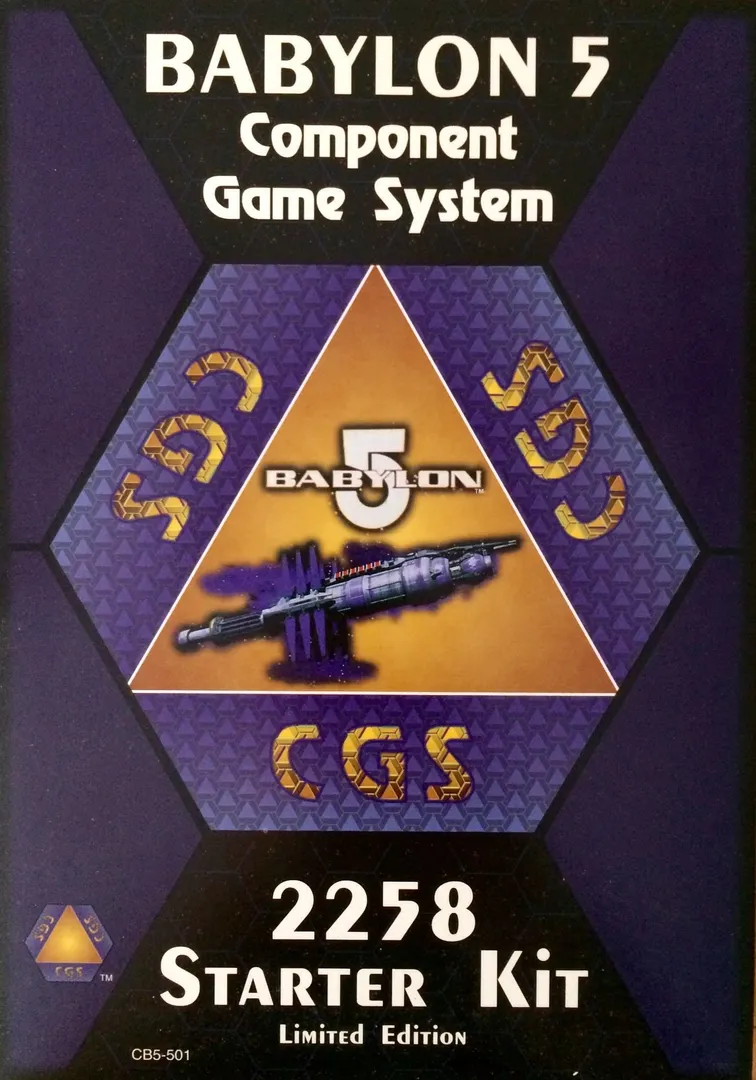


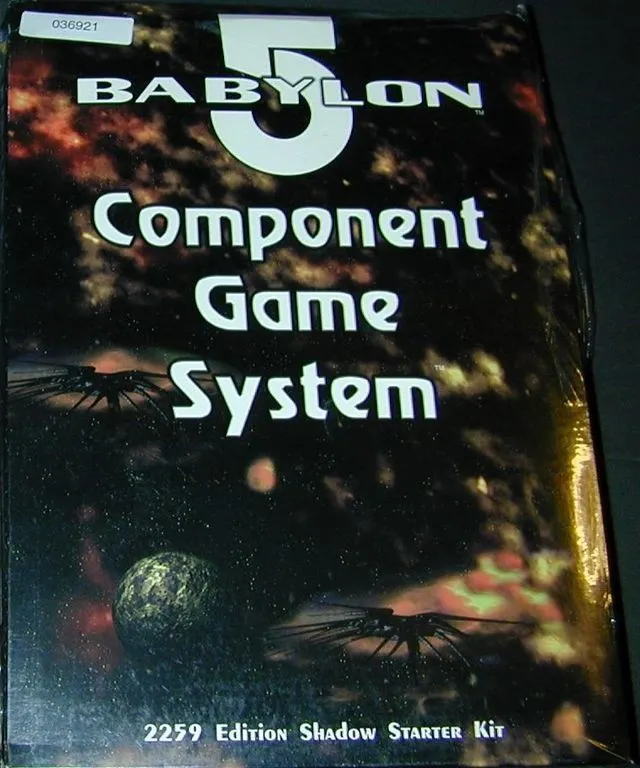
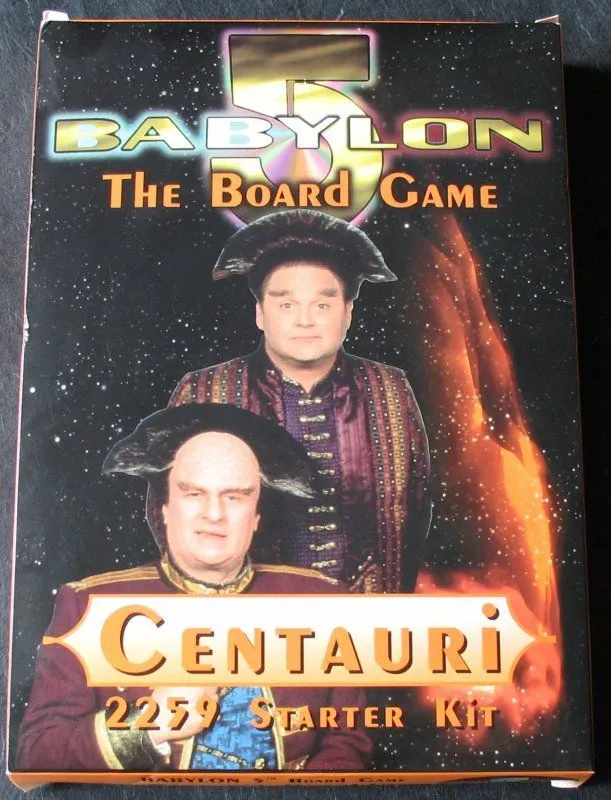
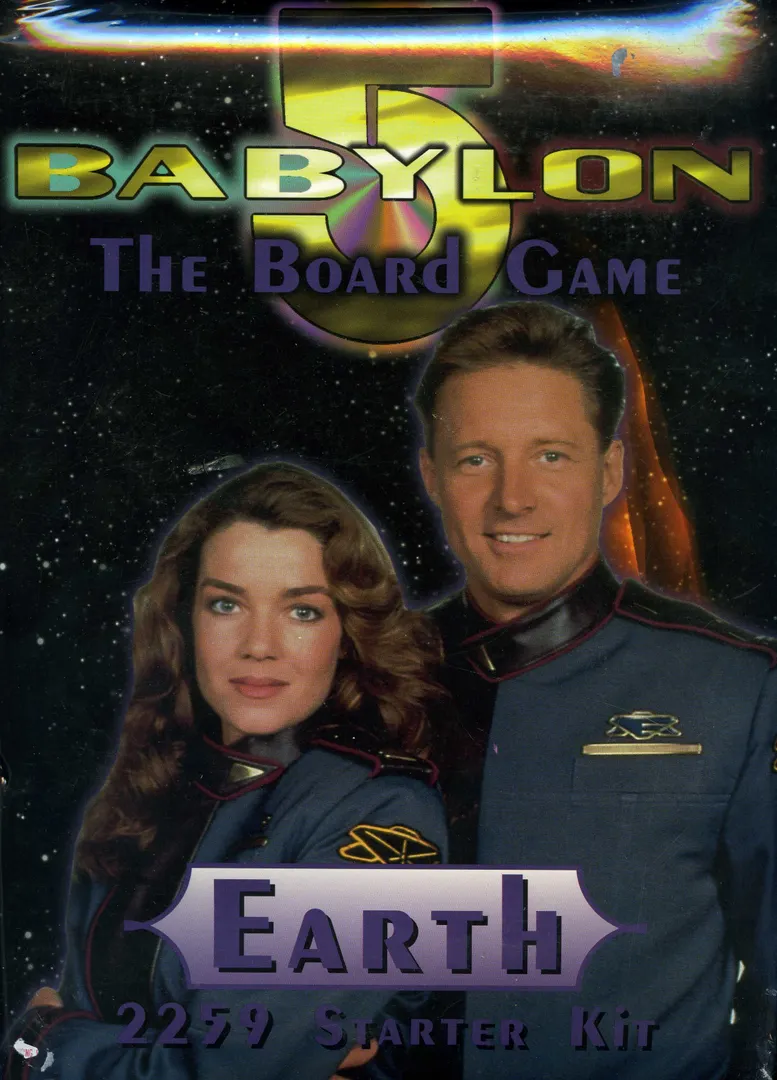
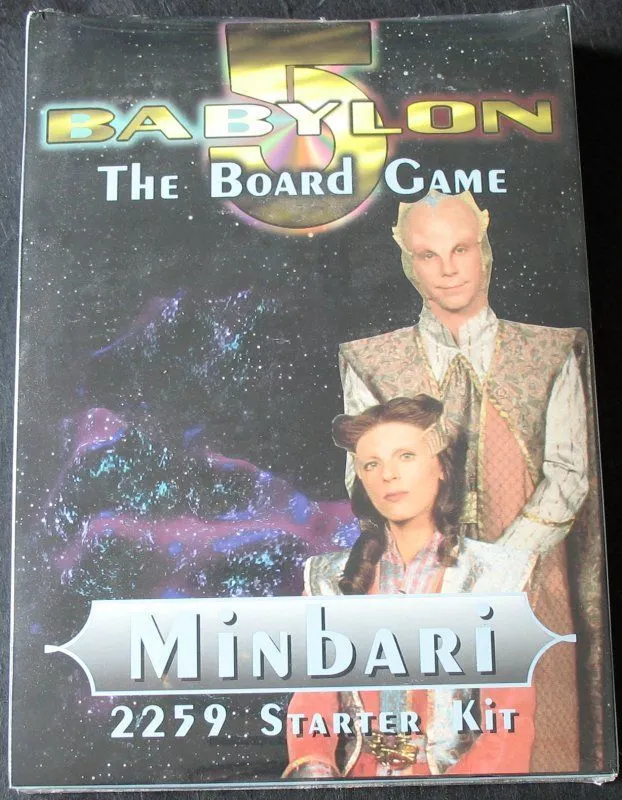
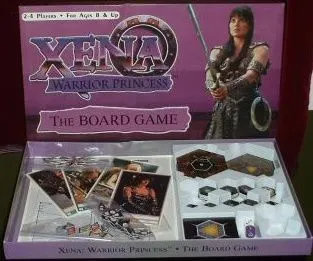







Component Game Systems came out with a number of component game systems that used the same sort-of-collectible approach (a roughly similar game is Space Race). Besides Babylon 5, there was Hercules, Xena, and Star Trek. The Babylon 5 game was apparently derived from the unpublished Galactic Empires board game, based on the CCG of the same name --Companion Games (Galactic Empires' publisher) became Component Game Systems in the process. The basic idea is that each player need only buy his part of the game, representing in this case a specific political entity from the Babylon 5 universe. Players sit down at the same table and put their components in common to have a game. Pretty cool. In the Babylon 5 game, you take control of a certain faction which is trying to gain power in the galaxy. You play the role of an ambassador on board Babylon 5. You explore the vast stretches of space, lead huge fleets into battle, and control the economy of your faction. There are several ways to achieve victory ranging from economic growth to all out militaristic control of the universe. Diplomacy is not to be neglected either, as the more powerful game changes are brought up in Babylon 5 council vote to be decided. You construct your playing 'board' using hexagonal shaped pieces that come with the game. The various pieces are different and can represent a multitude of things so that the game is different every time you play. In addition to the board and the ships that move on it, there are cards. Players may buy cards allowing special actions above and beyond the normal game, like an extra move or more EPs. You can create decks for each player as per CCGs, or you can just draw from a common deck after handing out the empire specific cards. Using your faction's wealth and resources you play the game and explore the map. You search for planets to colonize and possibly conquer. Use your fleets to engage in battles and use characters to assist you in reaching your faction's goals. The choices are yours and will decide if your faction is successful. The game does a very good job of recreating the B5 universe, with play action matching pretty closely the series' happenings. In terms of mechanics, it is similar to Twilight Imperium and Les Cochons de l'espace. There are two core sets, although CGS initially intended five (one for each of the show's seasons). They are the 2258 and 2259 Core Sets. The first was published in two formats, the 1997 first printing (Limited Edition; CB5-101) using a smaller, unimpressive box (they were in a hurry to get it to the store shelves by Christmas of that year), whilst the 1998 second printing (CB5-001) came in a beautiful large box (allowing room for the storage of extra sets) labeled as "Babylon 5: The Board Game". The 2259 Core Set (CB5-102) was only published in the big box format. The core sets include the Earth Alliance, Narn Regime, Centauri Republic and Minbari factions, which were each available separately (although the core sets include some extra cards and stuff beyond the combination of the four individual Starter Kits). There is supposedly enough difference between the 2258 and 2259 core sets to warrant buying both, although I haven't received my 2259 set yet so I can't be sure. Component Game Systems has now disappeared from the face of the earth, and even their domain name (www.c-g-s.com) has been recycled by some unrelated outfit. Part of the Component Game System.
Babylon 5 Component Game System: Core Sets supports 2–4 players according to the catalogue. This range comes from the publisher’s listed player count, so the game can be set up for any group size within it. Some setups, rules and scoring details may still vary by player count, so check your edition’s rulebook for the exact configuration.
The listed playing time for Babylon 5 Component Game System: Core Sets is 120 minutes. This is the publisher’s estimate for a full game. The actual duration depends on the group, the player count and familiarity with the rules: first sessions usually run longer, while experienced groups often finish faster. Setup and teaching time are not included in this estimate.
The catalogue lists Babylon 5 Component Game System: Core Sets for ages 10 and up. This is the publisher’s recommendation and reflects reading demands, rule complexity and small components rather than theme alone. Younger players can often join with help from an adult, so check the age guidance on your edition and consider your group’s experience with board games.
Babylon 5 Component Game System: Core Sets has a complexity rating of 2.9 out of 5 from BoardGameGeek players, which makes it a medium-light game. The rating reflects how much rules knowledge, planning and decision-making a typical game demands. Expect a longer first teach for heavier games, and use a preparation guide before game night.
Babylon 5 Component Game System: Core Sets belongs to these categories: Card Game, Economic, and Wargame. Its main mechanics are Variable Player Powers, Tile Placement, and Modular Board. Categories describe the theme and setting of a game, while mechanics describe what players actually do on their turns. Each mechanic links to a catalogue hub with similar games, which helps when you want something comparable.
The credited designers of Babylon 5 Component Game System: Core Sets are: Andrew Smith, George T. Henne, Jr., and C. Henry Schulte. These credits come from the published game data and name the people responsible for the game’s design, not its illustrators or publishers. Designer pages on MeepleRules collect other titles by the same designers, which helps when you enjoy a game and want to find similar ones.
The catalogue lists Babylon 5 Component Game System: Core Sets as a base game. It can be played on its own with the components in the box and does not require any other title. Expansions, if any exist, add new content or rules on top of it and are listed separately in the catalogue with a link back to this base game.