

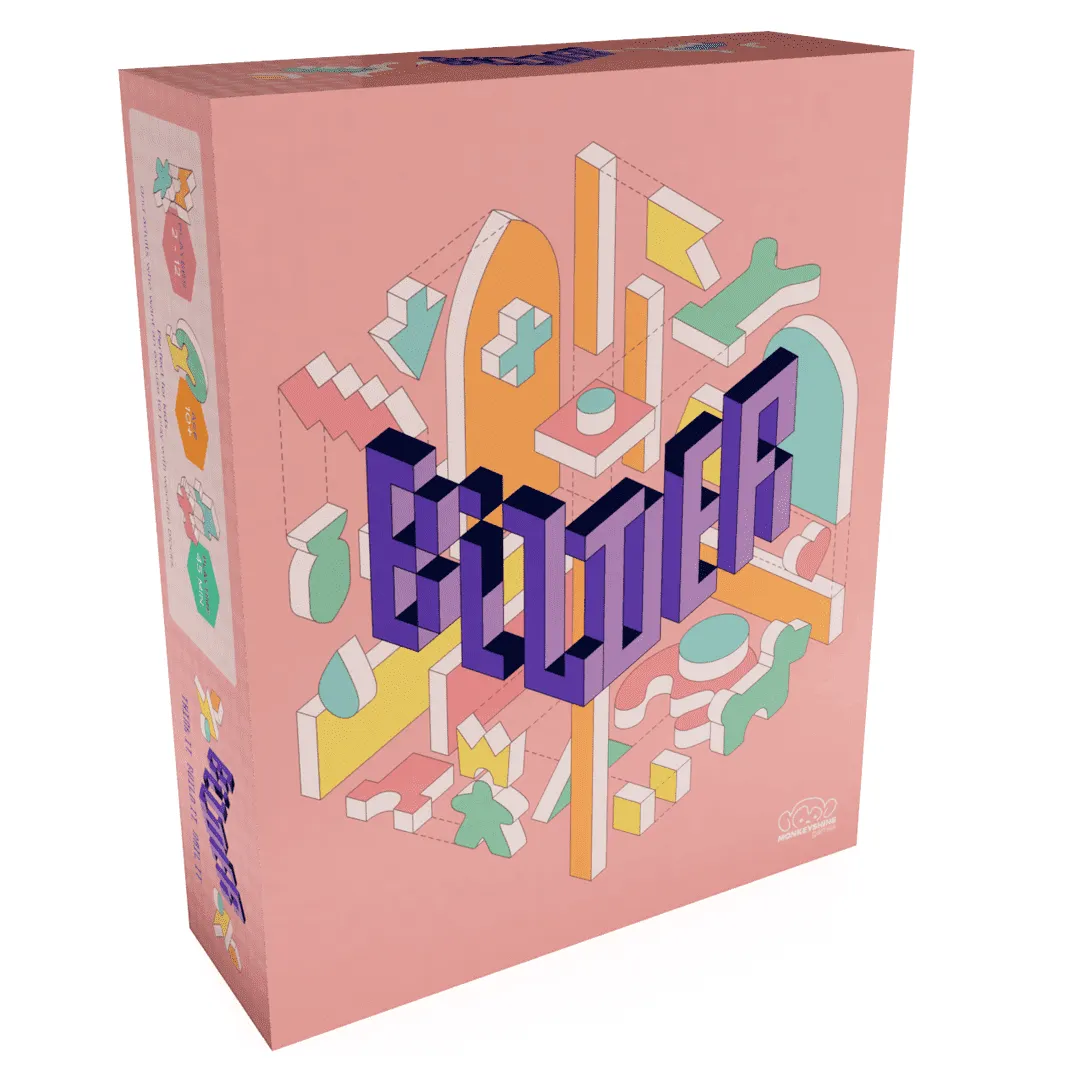
Bilder: The Complex Expansion
- 2–12 players
- 15–60 min
- 2018
2018
Rules assistance for Bilder
Plain-language explanations of turns, card effects and disputed situations, with official source references and saved question history.
For 2 players
What would you like to know?
Answers come from the official rulebook, with the page to check.
Bilder is a board game released in 2018 for 2–12 players, 15–60 minutes per game, and ages 8 and up. Its main mechanics are Simulation and Pattern Building.

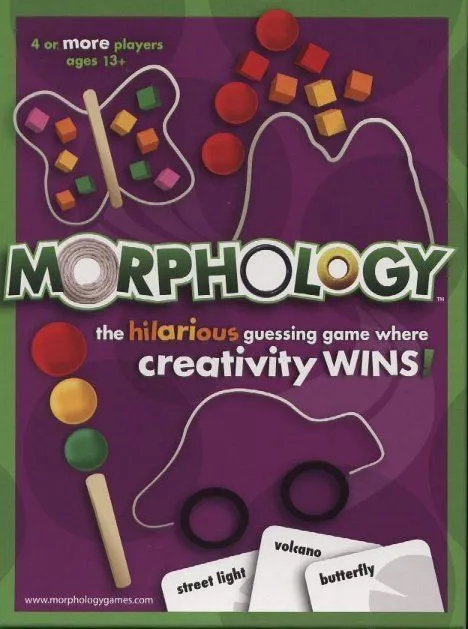


BILDER is a tabletop game for 2 to 12 players where you unleash your imagination. Use the 40 wooden pieces to create structures, tell stories and move the pieces around to make scenes come to life. Guess what the others are making to collect all the letters in B-I-L-D-E-R and win the game. Everyone takes turns being the bilder. That's when you get to use wooden bilding blocks to bild something as the other players guess. First, you draw a What card. The 'What' card gives you 2 choices of things to bild, could be anything. The letters and colors represent the category. There are six in total: Category Beings is for biological bodies, be it human being, beast, or botanical. Examples could be a lumberjack, or conjoined twins. Category Imagined indicates invented ideas and implausible imaginings, including Frankenstein’s monster or the Tooth fairy Category Locations lists lots of places and landmarks, local or less closeby, like the Berlin Wall or the Garden of Eden. Category Devices designates doodads and doohickeys. The domain of designed objects, like a jetpack or a game boy. Category Events entails epic or everyday encounters and experiences, for example a rocket launch or an alien abduction Category rest is a random ragbag of everything that remains outside the reach of previous categories, like Wheel of Fortune or a witch burning. The goal of the game is to collect all 6 letters, which conveniently spell out B-I-L-D-E-R. You earn cards by guessing whatever the bilder is bilding. The Bilder, however, can only score a letter by choosing one of 3 revealed HOW cards. Most HOW cards make bilding harder by adding an extra rule Some HOW cards make it easier, by allowing extra hints Challenges are wildcards that change the game rules. Not just bilding something, but a test of skill that you must pass to earn this card. It’s also a joker that can be used as any letter. —description from the designer
Bilder supports 2–12 players according to the catalogue. This range comes from the publisher’s listed player count, so the game can be set up for any group size within it. Some setups, rules and scoring details may still vary by player count, so check your edition’s rulebook for the exact configuration.
The listed playing time for Bilder is 15–60 minutes. This is the publisher’s estimate for a full game. The actual duration depends on the group, the player count and familiarity with the rules: first sessions usually run longer, while experienced groups often finish faster. Setup and teaching time are not included in this estimate.
The catalogue lists Bilder for ages 8 and up. This is the publisher’s recommendation and reflects reading demands, rule complexity and small components rather than theme alone. Younger players can often join with help from an adult, so check the age guidance on your edition and consider your group’s experience with board games.
Bilder has a complexity rating of 2.0 out of 5 from BoardGameGeek players, which makes it a medium-light game. The rating reflects how much rules knowledge, planning and decision-making a typical game demands. Expect a longer first teach for heavier games, and use a preparation guide before game night.
Bilder belongs to these categories: Party Game, Deduction, and Action / Dexterity. Its main mechanics are Simulation and Pattern Building. Categories describe the theme and setting of a game, while mechanics describe what players actually do on their turns. Each mechanic links to a catalogue hub with similar games, which helps when you want something comparable.
The catalogue lists Bilder as a base game. It can be played on its own with the components in the box and does not require any other title. Expansions, if any exist, add new content or rules on top of it and are listed separately in the catalogue with a link back to this base game.