
- BGG rank
- BGG #236
- BGG rating
- 8.0
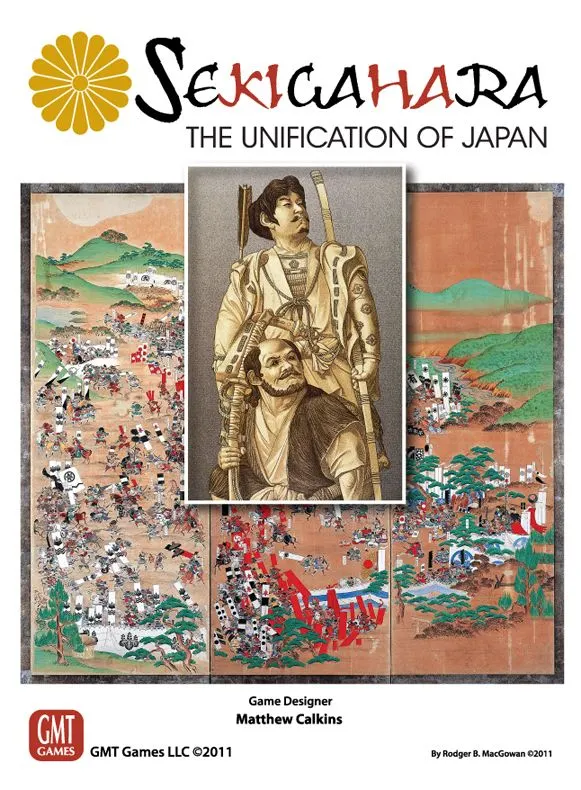
Sekigahara: The Unification of Japan
- 2 players
- 180 min
- Complexity 2.8/5
- 2011
2022
Rules assistance for Charioteer
Plain-language explanations of turns, card effects and disputed situations, with official source references and saved question history.
For 2 players
What would you like to know?
Answers come from the official rulebook, with the page to check.
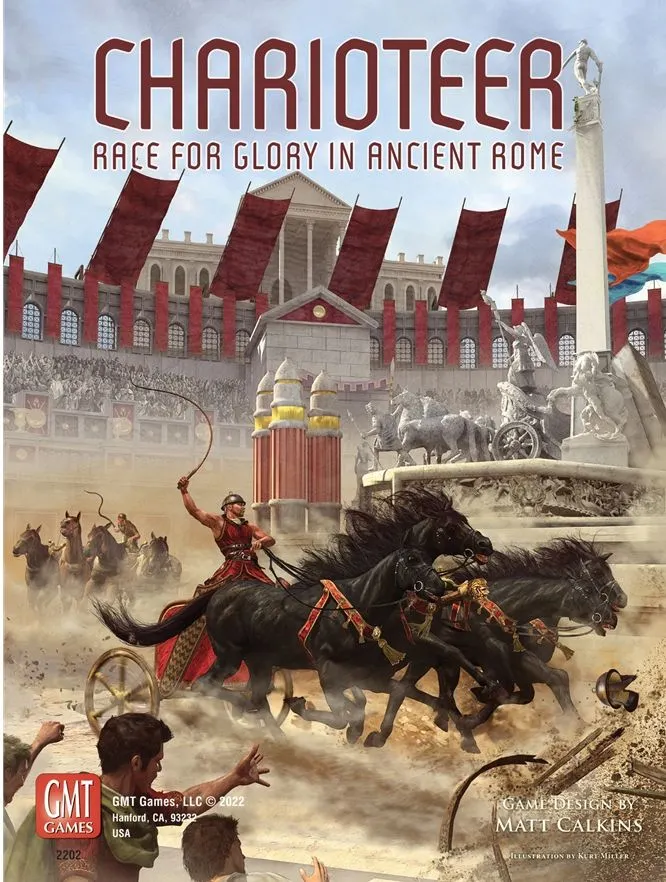
Charioteer is a board game released in 2022 for 2–6 players, 60–120 minutes per game, and ages 14 and up. It was designed by Matt Calkins and its main mechanics are Hand Management, Race, and Set Collection.

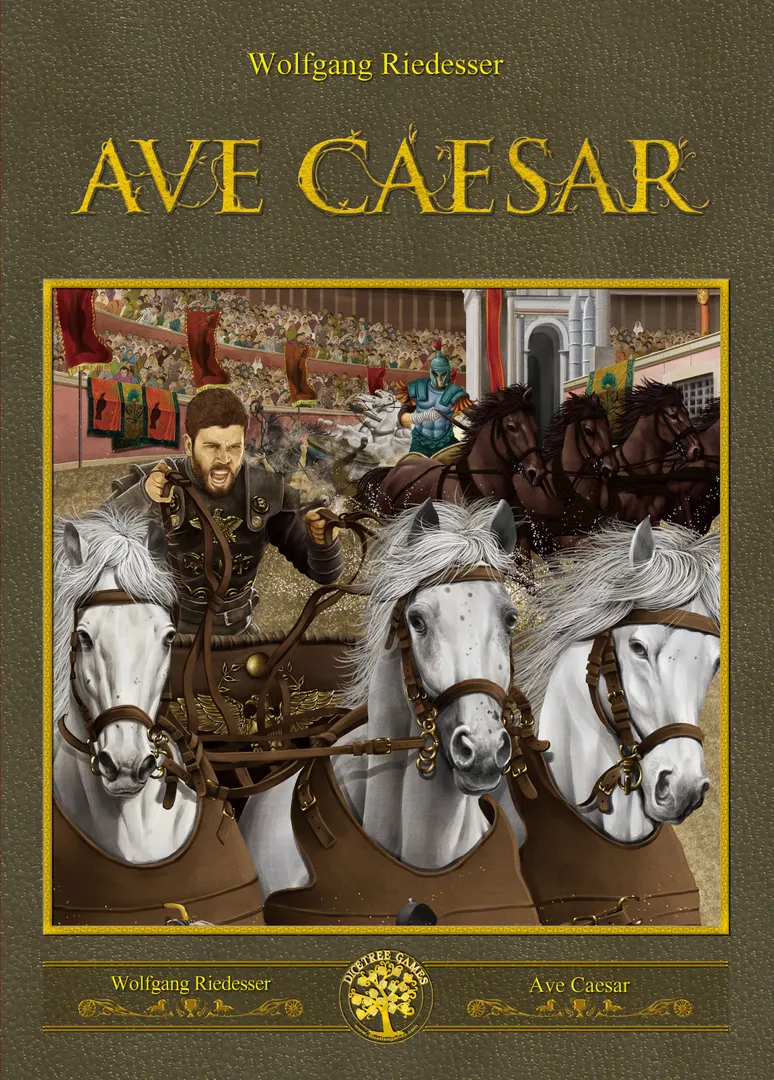




The ground trembles under a thousand angry hoofbeats. Wheels creak and reins pull as racers drive their horses forward in a panic. You are a charioteer in the Circus Maximus, the greatest raceway in the ancient world. A crescendo of noise builds with each lap. Chariots collide, whips crack. The crowd cheers for a surprising breakaway, rumbles as a favorite is damaged and falls behind. From the imperial box, the emperor laughs and shouts. Clouds of dust obscure the bright banners of the four factions. Three hundred thousand fans are on their feet as you turn the final corner. This is not the finish they expected. You lead by a length, and only one rival remains; each throws the last of their energy into one final sprint. Many thousands are despondent, other thousands exultant and joyous. Their shouts become a roar, a long scream, as you surge for the finish line. Another hundred yards will make you a hero. Charioteer is a new game from Sekigahara: The Unification of Japan author Matt Calkins. Like Matt's previous games, Charioteer features simple rules, quick play, and novel mechanisms. Charioteer is a strategic racing game that plays in one hour. Each player controls a chariot in the Circus Maximus of ancient Rome. There's lots of action, and it happens quickly, with simultaneous move selection. Movement is determined by melding sets from a hand of cards. Every card does more than one thing, and it takes multiple matching cards to make a move. Choosing to use a card in one set means deciding not to use it in another. Timing when to make a critical move is as important as knowing what move to make. Moves come in four colors, and each has a special advantage. Play a red move to attack your opponents, yellow to recover from disruption, black to turn a sharp corner, and green to sprint. Each racer begins the game with different abilities, and they improve their skills as the race progresses, leading to big bonuses in their favorite types of moves. Show the emperor the kind of move he prefers, and a racer's skills will increase even faster. Players deploy tokens to give their moves a special bonus. More tokens can be earned by impressing the crowd with large matching card plays. Players may choose to delay using their best sets until they're big enough to qualify for a fan token. Some races will be violent and others calm, depending upon whether the players and emperor behave disruptively. Attacks cause damage, which reduces movement speed. Players who specialize in recovery moves may overcome damage quickly. Others may need to carefully deploy their shields on turns when violence is expected. It's not always clear who's winning the race. Being in front of the pack may not be as important as developing a critical skill, collecting powerful tokens, or keeping damage low. Whip icons allow those who have fallen behind to surge back into competition. Charioteer is easy to learn. It can be played by bright kids as well as adults. Despite its accessibility, it is a game of skill. —description from the publisher
Charioteer supports 2–6 players according to the catalogue. This range comes from the publisher’s listed player count, so the game can be set up for any group size within it. Some setups, rules and scoring details may still vary by player count, so check your edition’s rulebook for the exact configuration.
The listed playing time for Charioteer is 60–120 minutes. This is the publisher’s estimate for a full game. The actual duration depends on the group, the player count and familiarity with the rules: first sessions usually run longer, while experienced groups often finish faster. Setup and teaching time are not included in this estimate.
The catalogue lists Charioteer for ages 14 and up. This is the publisher’s recommendation and reflects reading demands, rule complexity and small components rather than theme alone. Younger players can often join with help from an adult, so check the age guidance on your edition and consider your group’s experience with board games.
Charioteer has a complexity rating of 2.2 out of 5 from BoardGameGeek players, which makes it a medium-light game. The rating reflects how much rules knowledge, planning and decision-making a typical game demands. Expect a longer first teach for heavier games, and use a preparation guide before game night.
Charioteer belongs to these categories: Ancient and Racing. Its main mechanics are Hand Management, Race, and Set Collection. Categories describe the theme and setting of a game, while mechanics describe what players actually do on their turns. Each mechanic links to a catalogue hub with similar games, which helps when you want something comparable.
The credited designers of Charioteer are: Matt Calkins. These credits come from the published game data and name the people responsible for the game’s design, not its illustrators or publishers. Designer pages on MeepleRules collect other titles by the same designers, which helps when you enjoy a game and want to find similar ones.
The catalogue lists Charioteer as a base game. It can be played on its own with the components in the box and does not require any other title. Expansions, if any exist, add new content or rules on top of it and are listed separately in the catalogue with a link back to this base game.