
- BGG rank
- BGG #5,331
- BGG rating
- 7.3
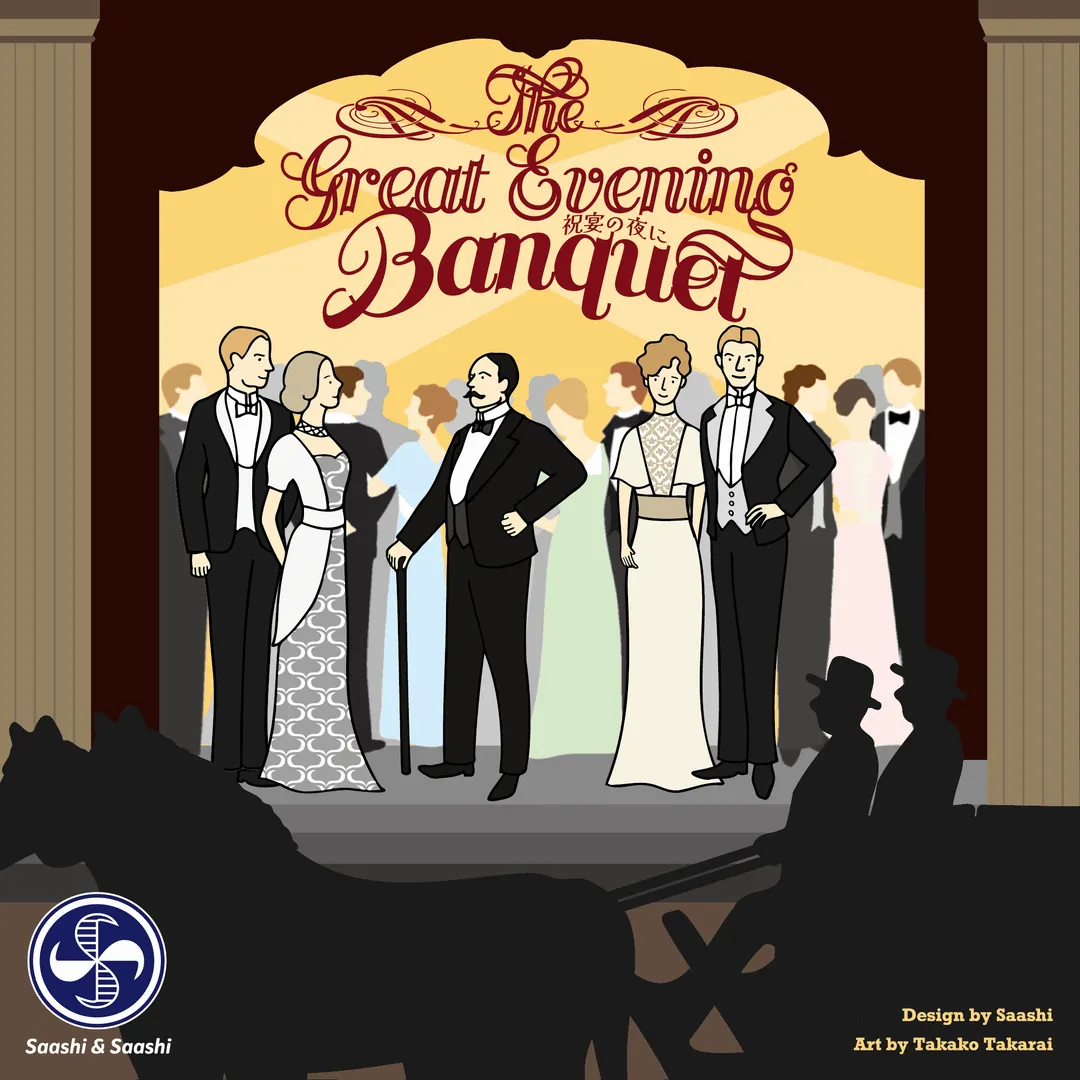
The Great Evening Banquet
- 1–4 players
- 30 min
- Complexity 1.9/5
- 2025
2015
Rules assistance for Coffee Roaster
Plain-language explanations of turns, card effects and disputed situations, with official source references and saved question history.
For 1 player
What would you like to know?
Answers come from the official rulebook, with the page to check.
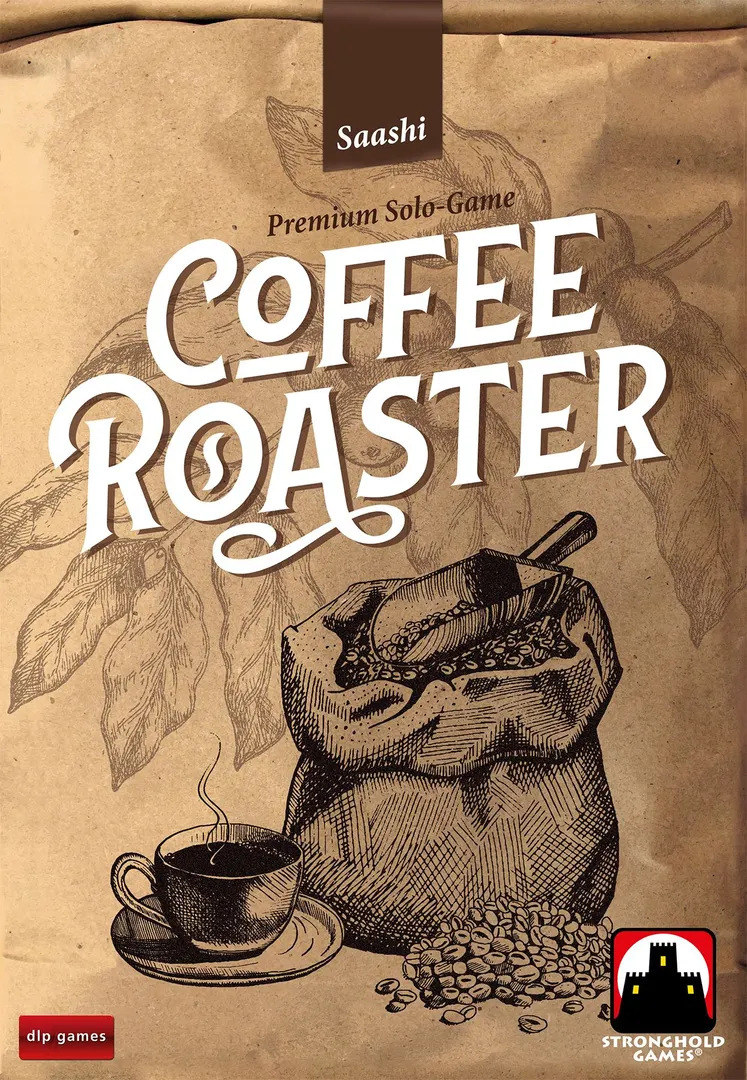
Coffee Roaster is a board game released in 2015 for 1 player, 10–30 minutes per game, and ages 12 and up. It was designed by Saashi and its main mechanics are Push Your Luck, Variable Set-up, and Memory.





Coffee Roaster is a solitaire pool-building game. You choose a variety of coffee beans you want to roast, and put a number of tokens specific to that variety into a bag. Each turn, you draw a number of bean tokens randomly from the bag to advance their roast level. When you are finished, you make a cup-testing to check the taste of your coffee and score points accordingly. Each variety has its own target roast level, but approaching the target is not enough for perfect roasting; you also have to even out the roast level of each bean, while not spoiling the flavor of that variety. You also have to screen out smoke tokens and burnt bean tokens that hinder your roasting, and reject bean tokens that spoil the taste. It is important to control the contents of your bag utilizing flavor effects and unique effects caused by placing tokens on the roast board. There are 22 varieties of beans in the game. In one game, you try to roast three of them, and your roaster title is awarded based on the total score. Enjoy the world of coffee-roasting, and aim for the ultimate title "Meister". ••• 「COFFEE ROASTER」は1人用ゲームです。ターンごとに袋の中に入れた規定数の豆トークンの焙煎度を上昇させていき、最後のカップテストで味を確かめ得点を計算します。おいしい焙煎コーヒーにするためには、狙った焙煎度に近づけるだけでなく、豆の煎り具合を揃えたり、特徴を醸し出すフレーバーを残したりする必要があります。 妨げとなる煙チップや焦げ豆チップ、また味を損なう欠点豆チップの排除にも気をつけましょう。フレーバー効果や焙煎ボードへチップを配置することで得る特殊効果を駆使して、袋の中の状態をうまくコントロールすることが重要です。 登場する豆は22種類。そのうち3つの豆の焙煎に挑戦した合計値が焙煎職人としてのあなたのランクです。最高位マイスターの称号を勝ち取るべく、焙煎の世界を存分に楽しんでください。
Coffee Roaster supports 1 player according to the catalogue. This is the publisher’s listed player count, so the game is designed for exactly that number of participants. Variants for other group sizes, if any, are described in the rulebook of your edition, so check it before setting up a different configuration.
The listed playing time for Coffee Roaster is 10–30 minutes. This is the publisher’s estimate for a full game. The actual duration depends on the group, the player count and familiarity with the rules: first sessions usually run longer, while experienced groups often finish faster. Setup and teaching time are not included in this estimate.
The catalogue lists Coffee Roaster for ages 12 and up. This is the publisher’s recommendation and reflects reading demands, rule complexity and small components rather than theme alone. Younger players can often join with help from an adult, so check the age guidance on your edition and consider your group’s experience with board games.
Coffee Roaster has a complexity rating of 2.2 out of 5 from BoardGameGeek players, which makes it a medium-light game. The rating reflects how much rules knowledge, planning and decision-making a typical game demands. Expect a longer first teach for heavier games, and use a preparation guide before game night.
Coffee Roaster belongs to these categories: Industry / Manufacturing. Its main mechanics are Push Your Luck, Variable Set-up, and Memory. Categories describe the theme and setting of a game, while mechanics describe what players actually do on their turns. Each mechanic links to a catalogue hub with similar games, which helps when you want something comparable.
The credited designers of Coffee Roaster are: Saashi. These credits come from the published game data and name the people responsible for the game’s design, not its illustrators or publishers. Designer pages on MeepleRules collect other titles by the same designers, which helps when you enjoy a game and want to find similar ones.
The catalogue lists Coffee Roaster as a base game. It can be played on its own with the components in the box and does not require any other title. Expansions, if any exist, add new content or rules on top of it and are listed separately in the catalogue with a link back to this base game.