

- BGG rank
- BGG #21,707
- BGG rating
- 6.3
Trappist One
- 2–4 players
- 45–60 min
- Complexity 2.9/5
- 2018
2015
Rules assistance for Dark Matter
Plain-language explanations of turns, card effects and disputed situations, with official source references and saved question history.
What would you like to know?
Answers come from the official rulebook, with the page to check.
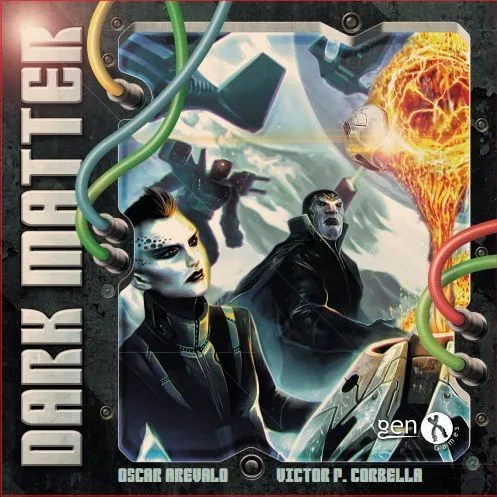
Dark Matter is a board game released in 2015 for 2–4 players, 15–45 minutes per game, and ages 8 and up. It was designed by Óscar Arévalo and its main mechanics are Hand Management and Action Points.





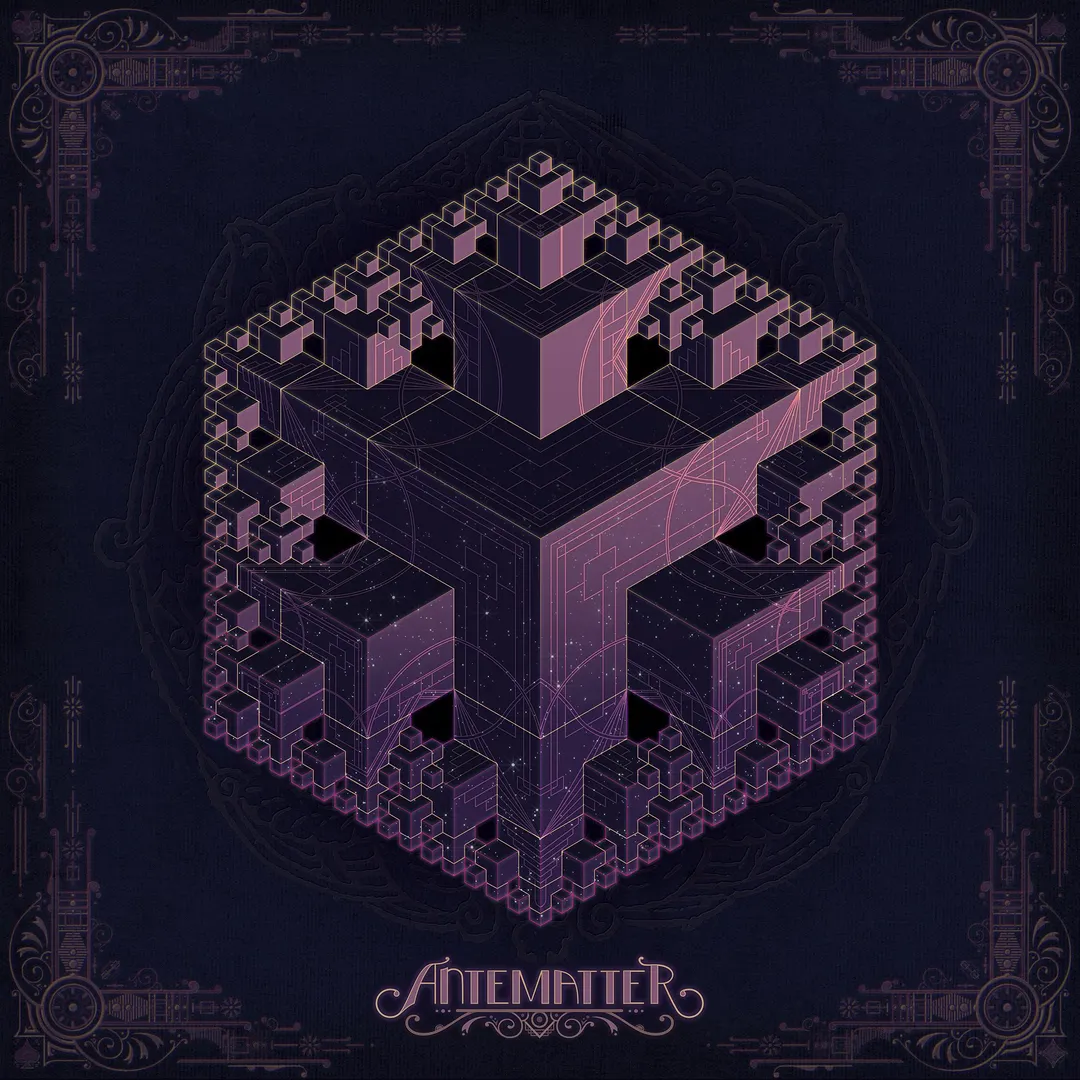
More than three millennia have passed since the human race left its native land. The discovery of the Sophia triad made real some theories previously thought impossible, theories that were experimented to prove their viability and each of them were performed, no matter whether it was possible or not. Dark Matter is a game from 2 to 4 players. Each player starts with three unique cards to play all the game. Each card is divided in two zones in its obverse and reverse, and each zone has one or several skills. Players play these skills to get matters to terraform planets, to recruit soldiers, to attack enemy planets, to improve their own planets, to use heroes and politics to manipulate their cards and opponents cards, to get resources, and more. But players won't play only with their own cards. They can also use the opponent cards. Each time a card is played it changes its position, so possibilities are infinite. When a player uses his cards, he spins his card (from front to back) and when he uses the opponent cards, they flip the card (from up to down). In this way, new matters and skills are available to play more actions. Get victory points controlling planets and use them to get more resource gems, soldiers or skills. Recruit a huge army gives also victory points and it helps to get enemy resource from their planets. All this with only three cards in hand. Impossible? Try it out! Han pasado más de tres milenios desde que la humanidad abandonase su Tierra natal. El descubrimiento de la Tríada Sophia ha logrado que teorías científicas imposibles de demostrar no sólo se pudieran experimentar para vislumbrar su veracidad, sino que cada una de ellas se pudieran llevar a cabo. Tanto si eran posibles, como si no. Dark Matter es un juego para 2 a 4 jugadores. Cada jugador recibe al principio de la partida 3 únicas cartas que serán con las que juegue toda la partida. Cada carta está dividida en dos partes tanto por su anverso como por su reverso. Cada una de esas partes tiene una o varias habilidades que los jugadores podrán activar para generar materias con las que terraformar planetas, reclutar soldados para atacar los planetas enemigos, mejorar sus propios planetas, utilizar héroes y políticos para manipular sus cartas y las de los contrarios, generar recursos, etc. En su turno, cada jugador puede utilizar la habilidad de la parte superior de sus cartas que él vea y las partes superiores de las cartas de los demás jugadores que vea (los anversos). Cuando un jugador utiliza una de sus cartas, le da la vuelta en la mano, quedando la habilidad que ha utilizado a la vista de los demás jugadores, que podrán usarla en sus turnos. A la vez, si un jugador utiliza una de las cartas de sus oponentes, girará la carta en la mano de su oponente quedando la parte superior en la inferior. Adicionalmente cada jugador puede usar las habilidades que le otorgan sus planetas terraformados y las habilidades de los demás planetas controlados por los oponentes, enviando a sus soldados. Al final de la cuarta ronda de juego, el jugador con más puntos de victoria será el ganador y dueño de la galaxia.
Dark Matter supports 2–4 players according to the catalogue. This range comes from the publisher’s listed player count, so the game can be set up for any group size within it. Some setups, rules and scoring details may still vary by player count, so check your edition’s rulebook for the exact configuration.
The listed playing time for Dark Matter is 15–45 minutes. This is the publisher’s estimate for a full game. The actual duration depends on the group, the player count and familiarity with the rules: first sessions usually run longer, while experienced groups often finish faster. Setup and teaching time are not included in this estimate.
The catalogue lists Dark Matter for ages 8 and up. This is the publisher’s recommendation and reflects reading demands, rule complexity and small components rather than theme alone. Younger players can often join with help from an adult, so check the age guidance on your edition and consider your group’s experience with board games.
Dark Matter has a complexity rating of 2.8 out of 5 from BoardGameGeek players, which makes it a medium-light game. The rating reflects how much rules knowledge, planning and decision-making a typical game demands. Expect a longer first teach for heavier games, and use a preparation guide before game night.
Dark Matter belongs to these categories: Card Game, Science Fiction, and Space Exploration. Its main mechanics are Hand Management and Action Points. Categories describe the theme and setting of a game, while mechanics describe what players actually do on their turns. Each mechanic links to a catalogue hub with similar games, which helps when you want something comparable.
The credited designers of Dark Matter are: Óscar Arévalo. These credits come from the published game data and name the people responsible for the game’s design, not its illustrators or publishers. Designer pages on MeepleRules collect other titles by the same designers, which helps when you enjoy a game and want to find similar ones.
The catalogue lists Dark Matter as a base game. It can be played on its own with the components in the box and does not require any other title. Expansions, if any exist, add new content or rules on top of it and are listed separately in the catalogue with a link back to this base game.