
- BGG rating
- 8.4
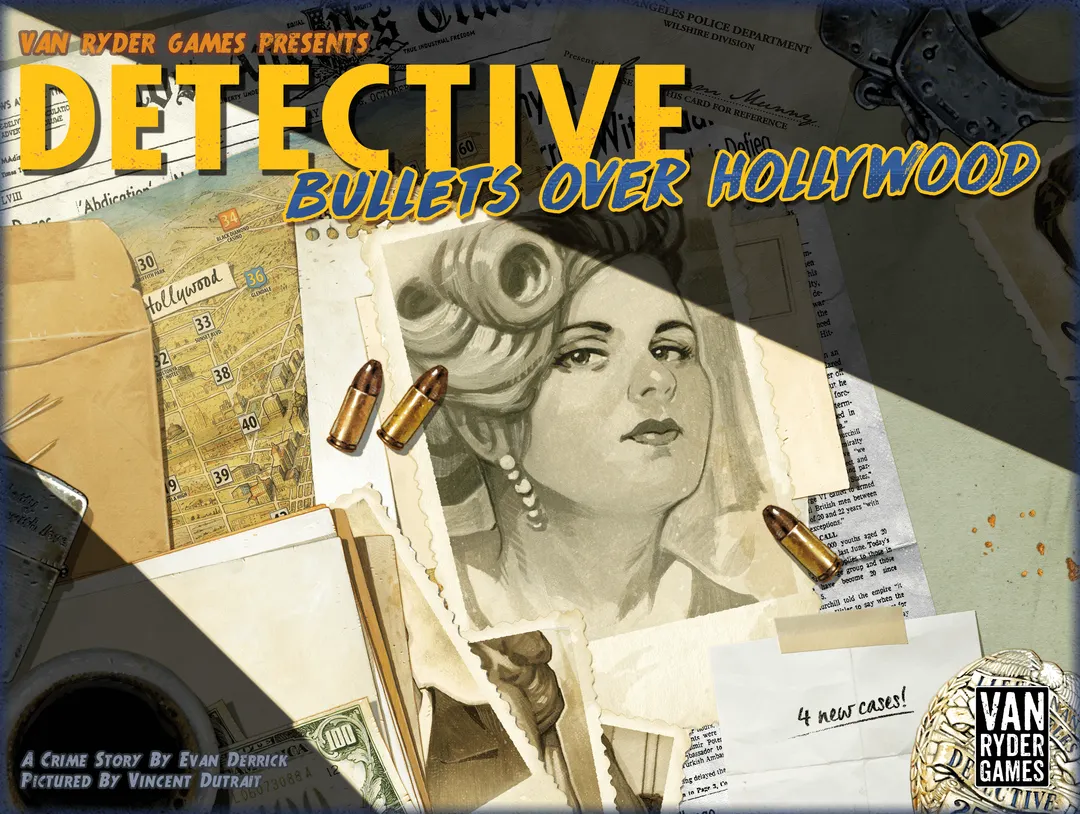
Detective: Bullets over Hollywood
- 1–5 players
- 30–150 min
- Complexity 2.9/5
- 2019
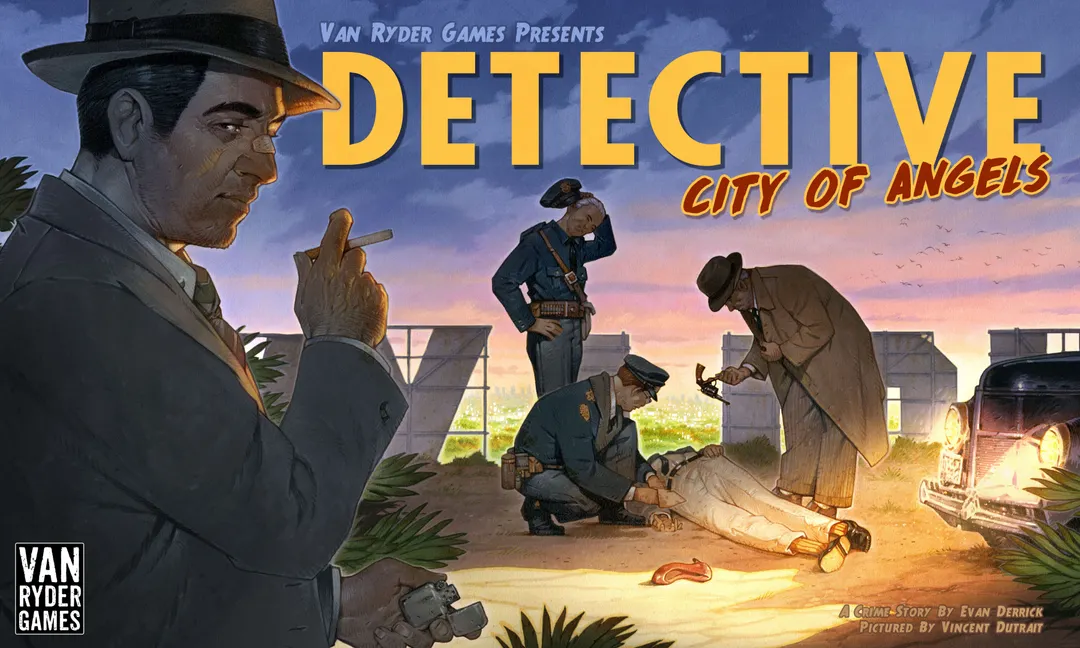
2019
Rules assistance for Detective: City of Angels
Plain-language explanations of turns, card effects and disputed situations, with official source references and saved question history.
For 1 player
What would you like to know?
Answers come from the official rulebook, with the page to check.
Detective: City of Angels is a board game released in 2019 for 1–5 players, 30–150 minutes per game, and ages 14 and up. It was designed by Evan Derrick and its main mechanics are Income, Area Movement, and Point to Point Movement.
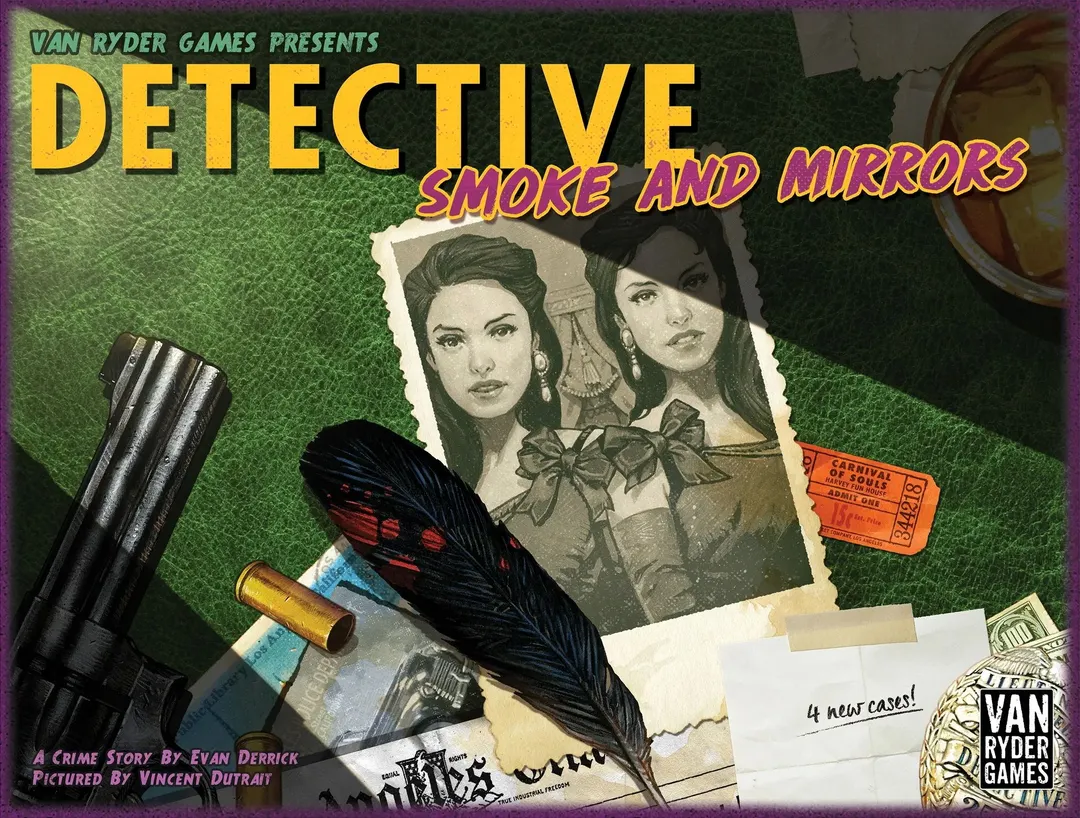
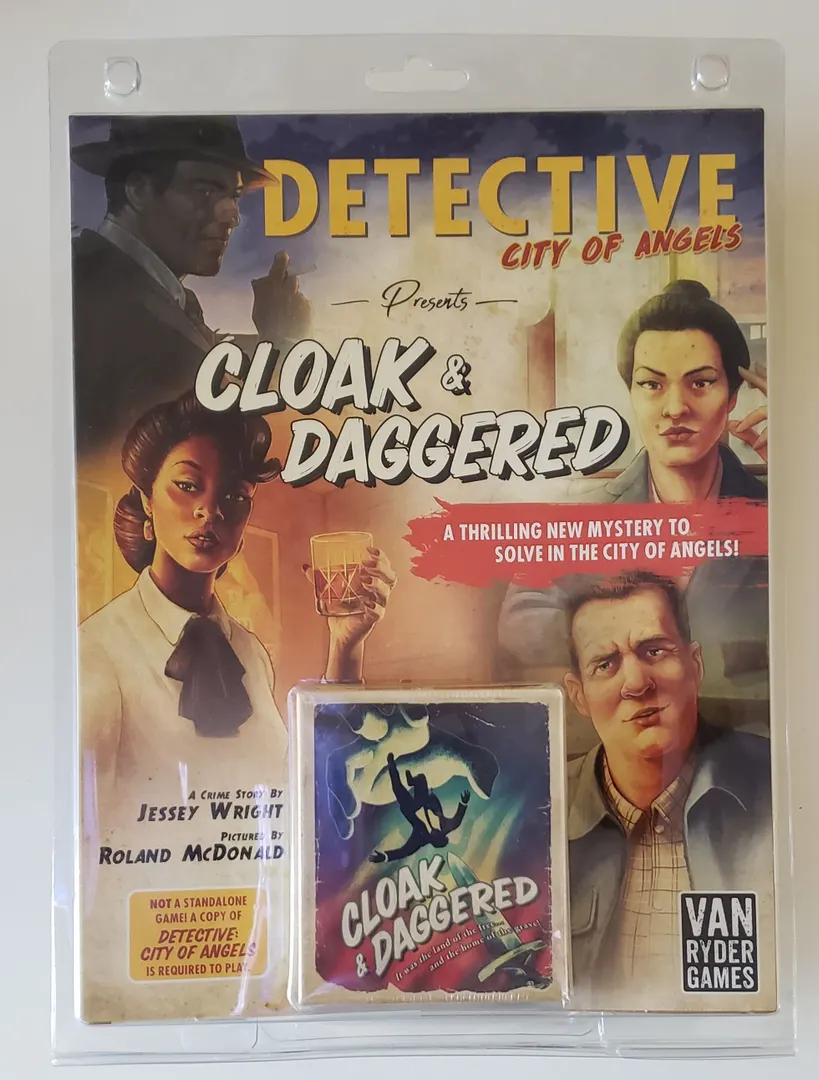

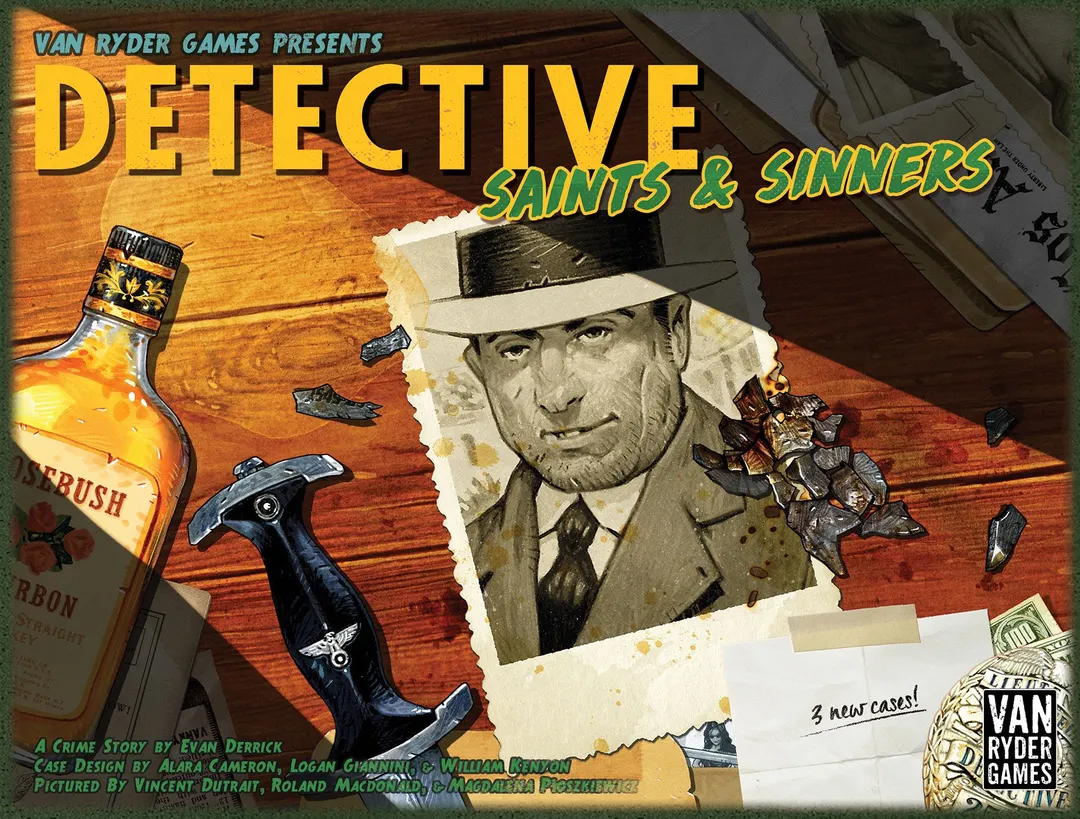
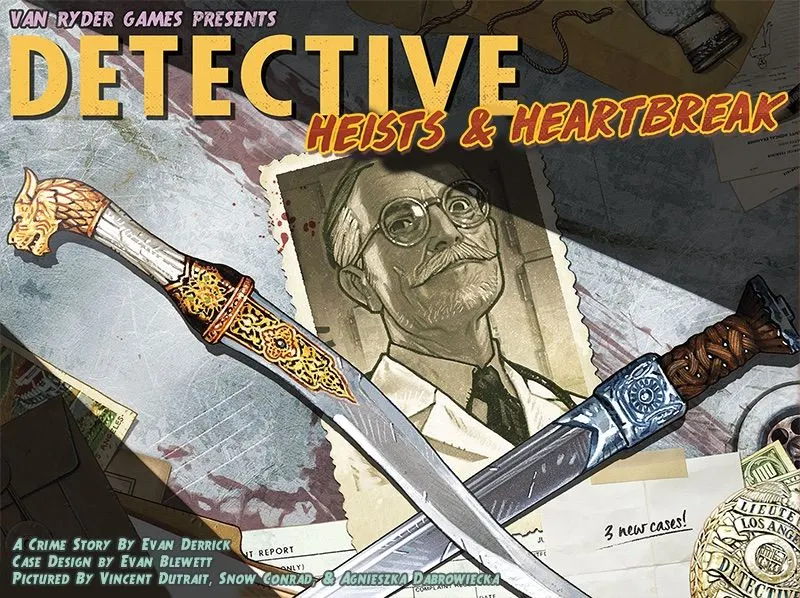
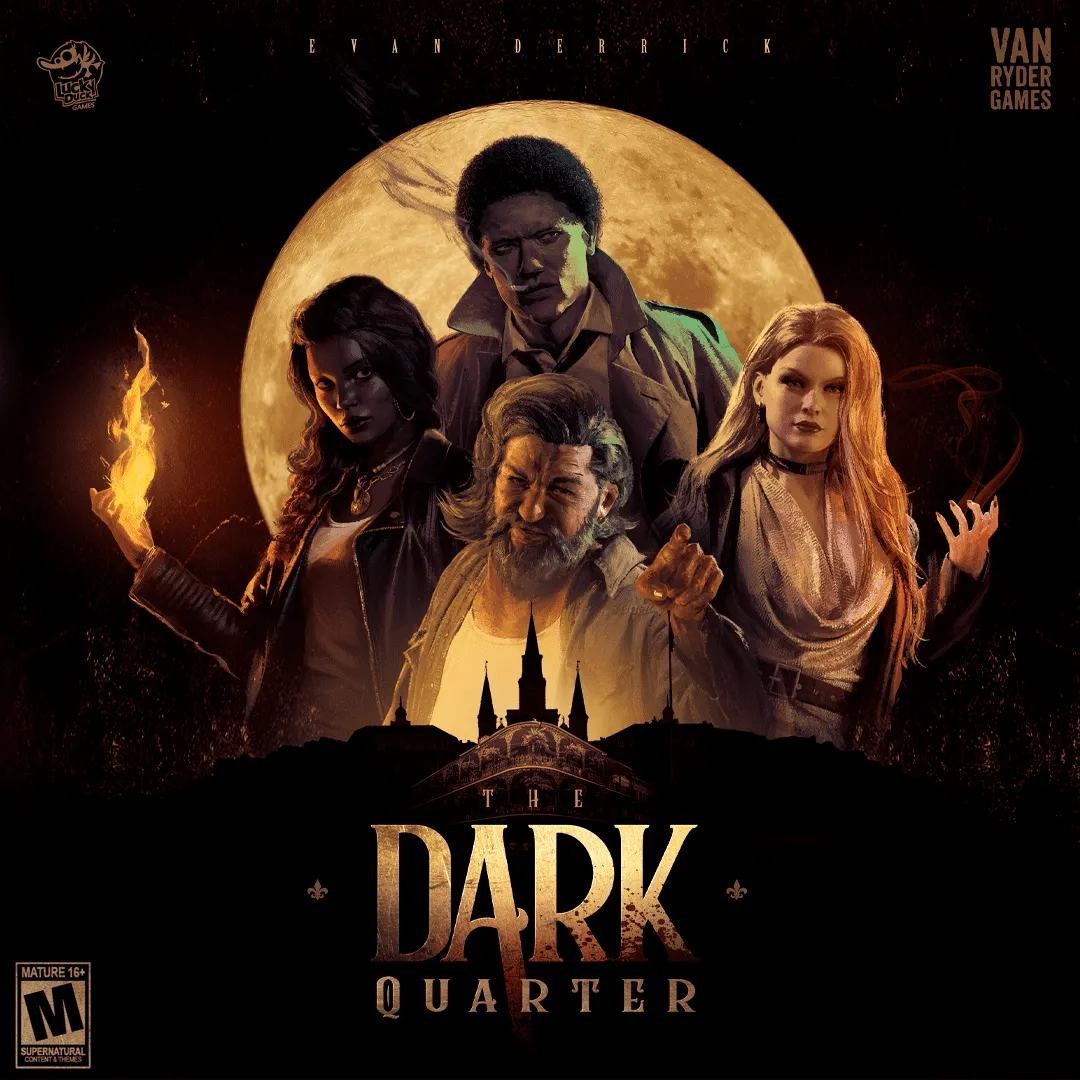


Detective: City of Angels, set in the dark and violent world of 1940s Los Angeles, is a game of mystery, deception, and investigation for 1–5 players. Most players will step into the shoes of LAPD homicide detectives, hungry for glory and willing to do whatever it takes to successfully close a case, even if that means intimidating suspects, concealing evidence, and hiring snitches to rat on their fellow detectives. One player, however, will take on the role of The Chisel, whose only goal is to stall and misdirect the detectives at every turn using bluffing, manipulation, and (often) outright lies. Detective: CoA uses the innovative ARC (Adaptive Response Card) System to create the feel of interrogating a suspect. Suspects do not simply give paragraph-book responses; instead The Chisel carefully chooses how they will answer. When Billy O'Shea insists that the victim was a regular at Topsy's Nightclub, is he telling the truth or is The Chisel subtly leading the detectives toward a dead end that will cost them precious time? Detectives can challenge responses that they think are lies but at great risk: If they're wrong, The Chisel will acquire leverage over them, making the case that much harder to solve. Detective: CoA includes separate, detailed casebooks for both the detectives and The Chisel. Each crime is a carefully constructed puzzle that can unfold in a variety of ways depending on how the detectives choose to pursue their investigations. As the detectives turn the city upside down, uncovering fresh evidence and "hot" leads, hidden suspects may be revealed and new lines of questioning will open up, creating a rich, story-driven experience. Inspired by classic film noir like The Big Sleep, the works of James Ellroy (L.A. Confidential), and the video game L.A. Noire from Rockstar Games, Detective: City of Angels is a murder-mystery game unlike any other. Will one detective rise above the rest and close the case on L.A.'s latest high profile murder? Or will The Chisel sow enough doubt and confusion to prevent the detectives from solving the crime? —description from the publisher A "sleuth" mode allows 1 or more players to play fully cooperatively, solving the cases together.
Detective: City of Angels supports 1–5 players according to the catalogue. This range comes from the publisher’s listed player count, so the game can be set up for any group size within it. Some setups, rules and scoring details may still vary by player count, so check your edition’s rulebook for the exact configuration.
The listed playing time for Detective: City of Angels is 30–150 minutes. This is the publisher’s estimate for a full game. The actual duration depends on the group, the player count and familiarity with the rules: first sessions usually run longer, while experienced groups often finish faster. Setup and teaching time are not included in this estimate.
The catalogue lists Detective: City of Angels for ages 14 and up. This is the publisher’s recommendation and reflects reading demands, rule complexity and small components rather than theme alone. Younger players can often join with help from an adult, so check the age guidance on your edition and consider your group’s experience with board games.
Detective: City of Angels has a complexity rating of 2.4 out of 5 from BoardGameGeek players, which makes it a medium-light game. The rating reflects how much rules knowledge, planning and decision-making a typical game demands. Expect a longer first teach for heavier games, and use a preparation guide before game night.
Detective: City of Angels belongs to these categories: Deduction, Murder / Mystery, and Bluffing. Its main mechanics are Income, Area Movement, and Point to Point Movement. Categories describe the theme and setting of a game, while mechanics describe what players actually do on their turns. Each mechanic links to a catalogue hub with similar games, which helps when you want something comparable.
The credited designers of Detective: City of Angels are: Evan Derrick. These credits come from the published game data and name the people responsible for the game’s design, not its illustrators or publishers. Designer pages on MeepleRules collect other titles by the same designers, which helps when you enjoy a game and want to find similar ones.
The catalogue lists Detective: City of Angels as a base game. It can be played on its own with the components in the box and does not require any other title. Expansions, if any exist, add new content or rules on top of it and are listed separately in the catalogue with a link back to this base game.