
- BGG rank
- BGG #5,622
- BGG rating
- 8.0
Dice Masters
- 2 players
- 15–35 min
- Complexity 2.8/5
- 2014
2013
Rules assistance for Dicecards
Plain-language explanations of turns, card effects and disputed situations, with official source references and saved question history.
What would you like to know?
Answers come from the official rulebook, with the page to check.
Dicecards is a board game released in 2013 for 1–6 players. It was designed by Ian Millington.

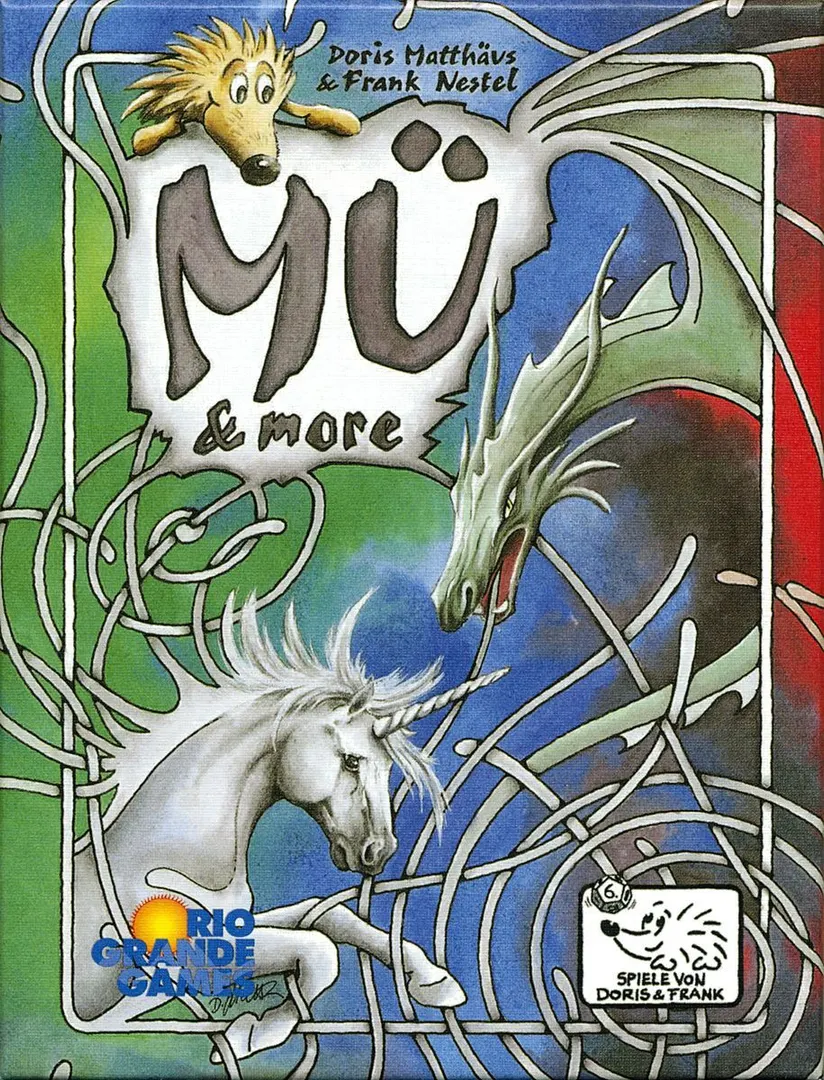



Dicecards are a new geektastic take on generating random stuff for games. This deck of playing cards feature more than thirty random elements, even a full set of Werewolf roles! Every element is explained in detail in the bits page (on dicecards.com) and in the accompanying instructions. The cards are designed so drawing a card from the pack has exactly the same probability distribution as rolling the dice, so the results are always fair. While you can play many games using the elements on the cards. There are instructions to play 3 unique games exclusive to Dicecards: Pirate Dice The aim of the game is to collect the most treasure. To collect treasure you'll need to sail the high seas, avoiding rival pirates, following treasure maps, and finding keys to unlock the treasure chests. Each player takes their turn to collect as much treasure as possible by drawing cards and pressing their luck. When every player has taken their turn, the player with the most treasure wins. Dungeon Crawl A "dungeon crawl" themed timed game using several elements on the cards. Dungeon Crawl can be played solo, or competitively among any number of players. When played with multiple players, each player plays on their own, in turn, and the highest scoring player wins. Players choose a Brawler, Archer or Mage and this determines what elements they use from the cards in order to defeat 'monsters' and score points. DiceCards Mini-RPG Thee Dicecards RPG is a generic action resolution and character development system for tabletop role-playing games. The different elements on the cards are used for conflict resolution. The game is split into scenes, which are continuous chunks of action, separated by times when the characters can take a break and recuperate. During a scene, a player may play one of her character’s cards to carry out some action in the game. When playing a card, the character declares which attribute the card is being played for. Once a card is played, it cannot be played again for the remainder of the scene. It also has rules for character development. There are many other games that can be played with the cards, including: Werewolf, Cities of the World, Craps, Dreidel, Slots (Fruit Machine), Dominoes, Word Maker etc
Dicecards supports 1–6 players according to the catalogue. This range comes from the publisher’s listed player count, so the game can be set up for any group size within it. Some setups, rules and scoring details may still vary by player count, so check your edition’s rulebook for the exact configuration.
Dicecards has a complexity rating of 1.0 out of 5 from BoardGameGeek players, which makes it a light game. The rating reflects how much rules knowledge, planning and decision-making a typical game demands. Expect a longer first teach for heavier games, and use a preparation guide before game night.
Dicecards belongs to these categories: Card Game, Dice, and Game System. Categories describe the theme, setting and style of a game rather than its rules. Filter the catalogue by the same category to find similar games when you enjoyed Dicecards and want something comparable for your next game night.
The credited designers of Dicecards are: Ian Millington. These credits come from the published game data and name the people responsible for the game’s design, not its illustrators or publishers. Designer pages on MeepleRules collect other titles by the same designers, which helps when you enjoy a game and want to find similar ones.
The catalogue lists Dicecards as a base game. It can be played on its own with the components in the box and does not require any other title. Expansions, if any exist, add new content or rules on top of it and are listed separately in the catalogue with a link back to this base game.