
- BGG rank
- BGG #5,986
- BGG rating
- 6.6
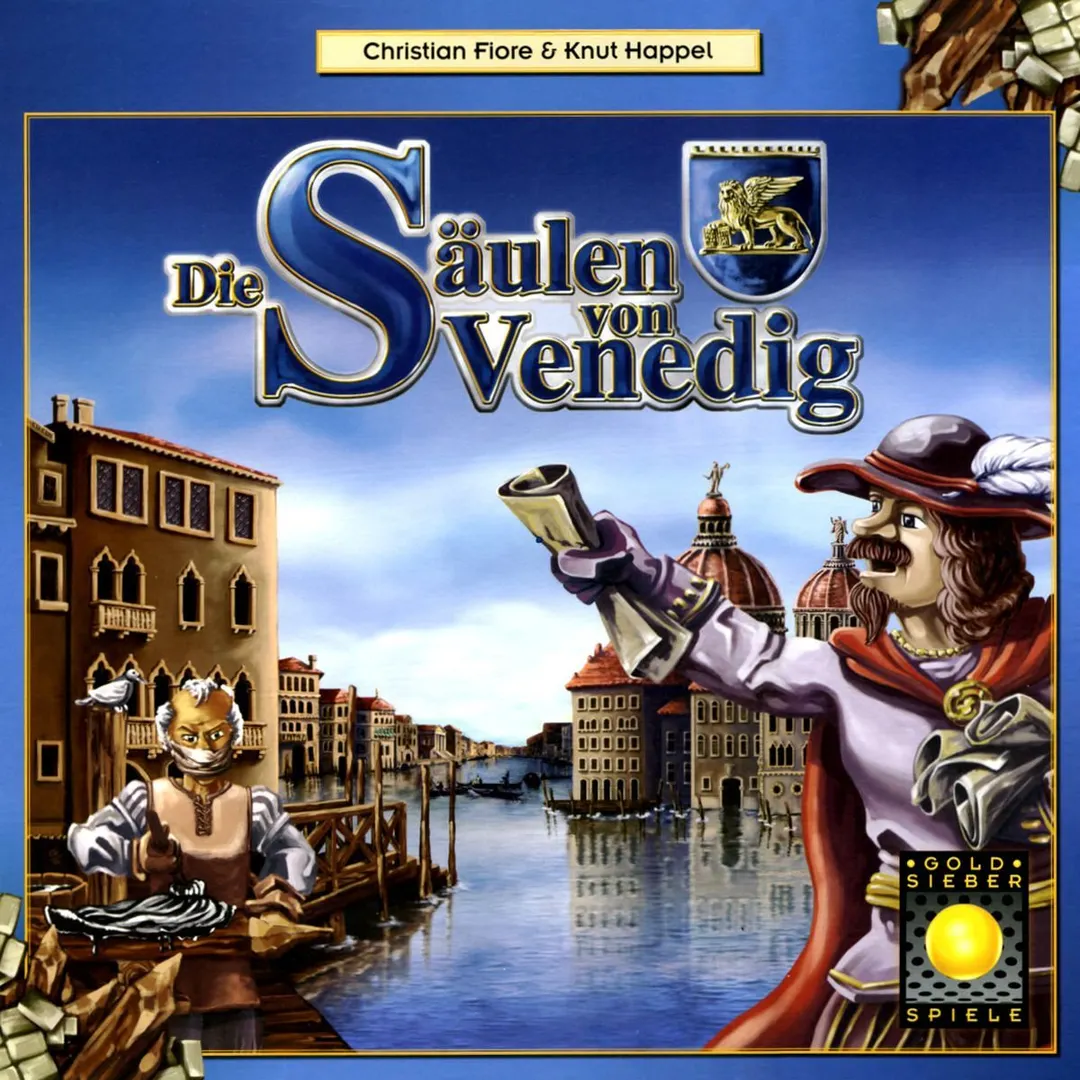
Die Säulen von Venedig
- 2–6 players
- 45–60 min
- Complexity 2.3/5
- 2006
2020
Rules assistance for Die Wikinger Saga
Plain-language explanations of turns, card effects and disputed situations, with official source references and saved question history.
For 2 players
What would you like to know?
Answers come from the official rulebook, with the page to check.
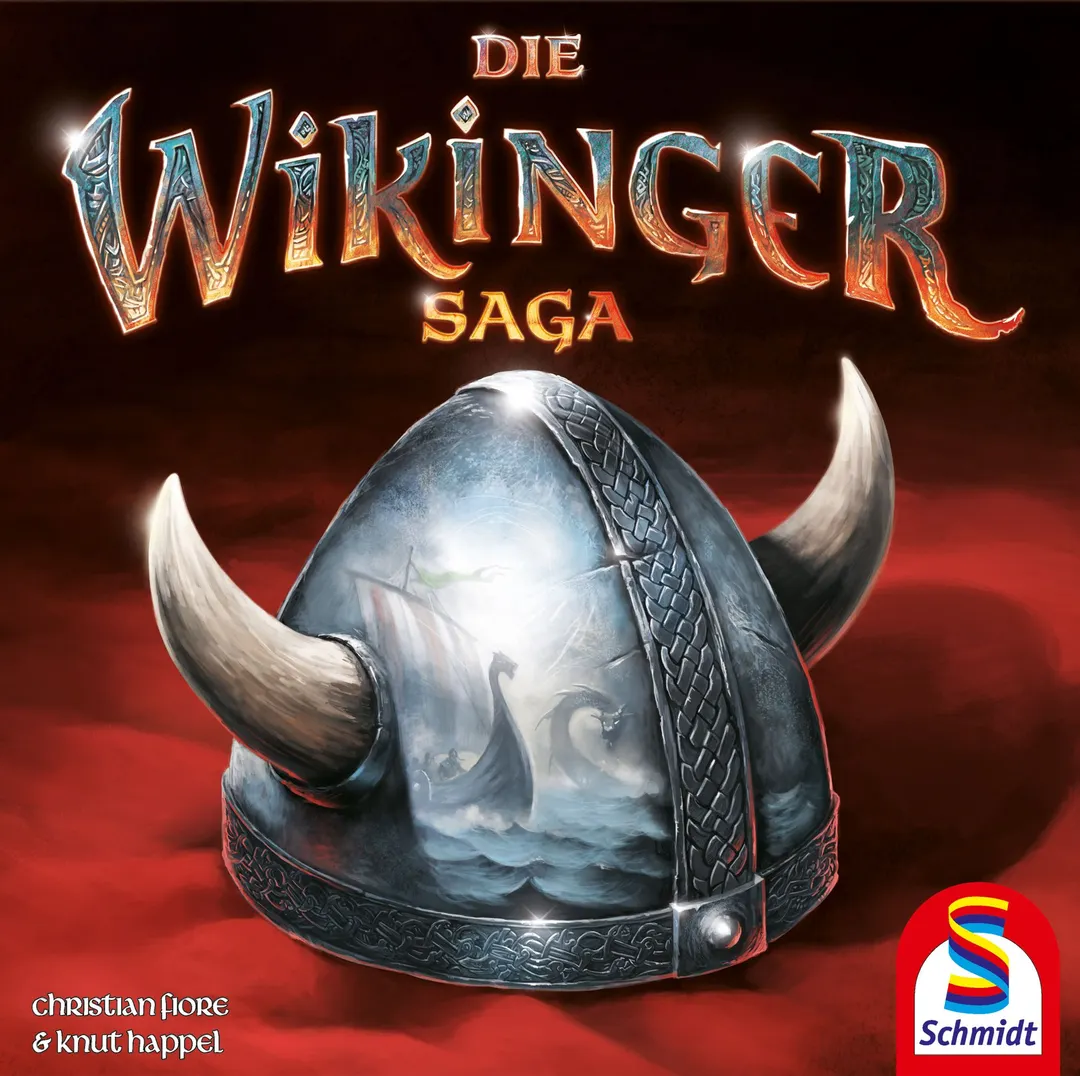
Die Wikinger Saga is a board game released in 2020 for 2–4 players, 60–90 minutes per game, and ages 12 and up. It was designed by Knut Happel and Christian Fiore and its main mechanics are Simultaneous Action Selection, Deck, Bag, and Pool Building, and Scenario / Mission / Campaign Game.

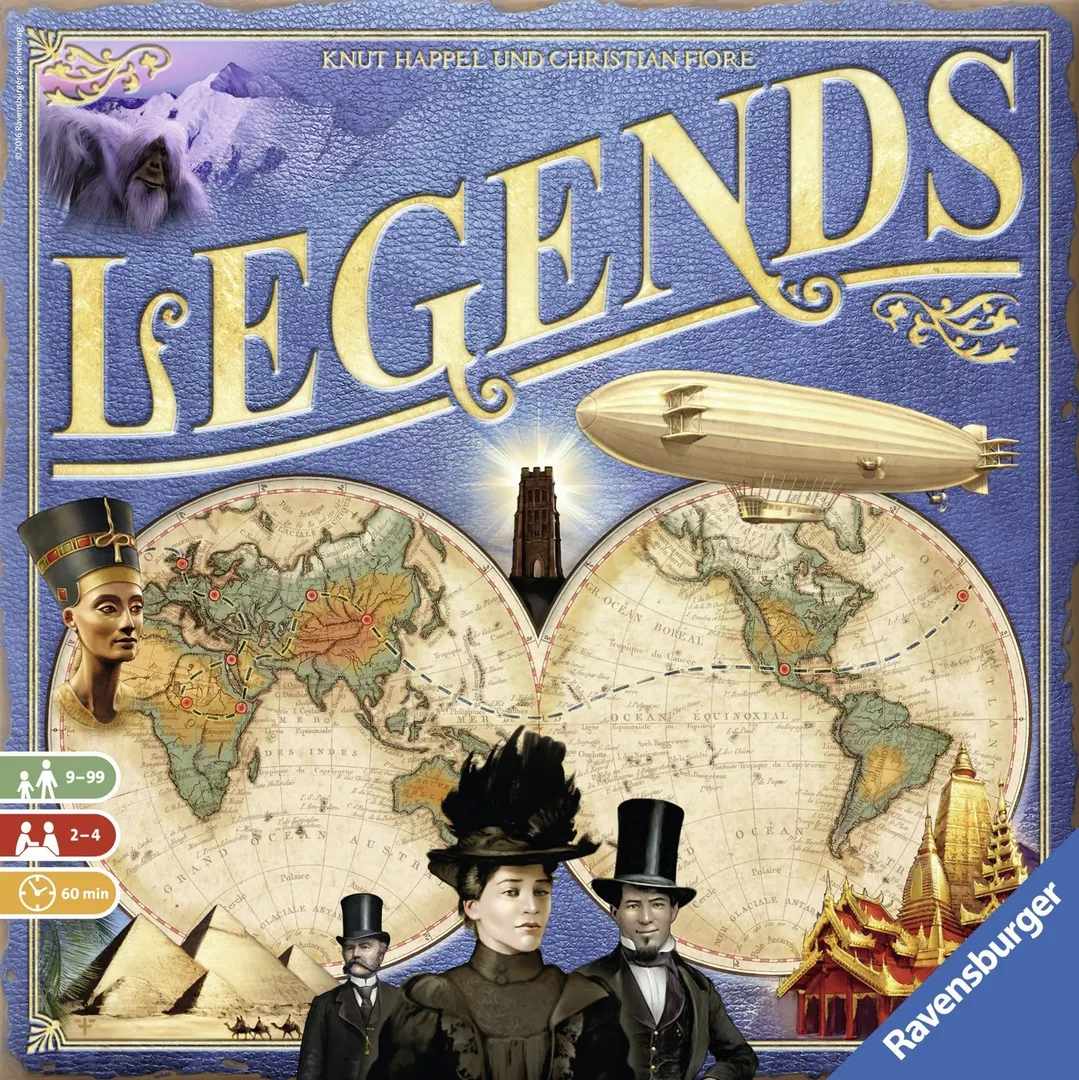
Hearing I ask from the holy races, from Heimdall’s sons, both high and low; Thou wilt, Valfather, that well I relate old tales I remember of men long ago. (Poetic Edda – Völuspa – The Prophecy of the Seeress, stanza 1). Nine worlds, one destination. Driven by the call of the Nordic gods, 2 to 4 jarls, rulers of Viking villages, embark on an adventurous journey through the nine worlds of Yggdrasil to Asgard. But only the most glorious of them will be admitted to their halls. And so the players set off - with only a handful of mostly inexperienced residents of their villages at first - to experience adventures on land and at sea. The Norse mythical world of the Vikings consists of 9 different worlds that players will get to know in this "deck building game", such as Midgard, the world of humans, or Jötunheim, the realm of the frost giants. During their travels, other Vikings will join the players, they will learn about mysterious places, seek the help of the gods, fight against dangerous opponents and try to escape overpowering dangers without damage. The basic game, briefly explained by a “tutorial”, has a modular structure and can be expanded almost as much as desired with additional game material. So little by little, new and more demanding rules come into play. While always 8 adventures (rounds) will be played, these can be put together from 35 different adventures almost any way the players want. Since players choose to play adventures from 3 of the 9 Viking worlds and because each world features other Vikings with different skills and other special rules, players can also adjust the level of difficulty and the duration of the game by their choice of Viking worlds. With each adventure, players learn more about the legends of Nordic mythology, which graphic artist Michael Menzel brought to life with atmospheric illustrations on various cards, amongst them 34 different Vikings. From the adventure cards that are placed on the gameboard, players will learn more about the secrets and mythical characters of Nordic mythology. The cards also show a section of the journey ahead. Playing their Viking cards skillfully, players move their Viking figures over this path, collect gold, get glory (victory points) and try to avoid the dangers of the path. With gold they can recruit other Vikings with better skills, filling the card deck with increasingly helpful Vikings. Vikings who fought bravely can be sent to Walhalla. This creates a second deck of cards with Vikings who will assist the players in the often-decisive final adventure at the rainbow bridge Bifröst and can also help them win with the victory points they contain.
Die Wikinger Saga supports 2–4 players according to the catalogue. This range comes from the publisher’s listed player count, so the game can be set up for any group size within it. Some setups, rules and scoring details may still vary by player count, so check your edition’s rulebook for the exact configuration.
The listed playing time for Die Wikinger Saga is 60–90 minutes. This is the publisher’s estimate for a full game. The actual duration depends on the group, the player count and familiarity with the rules: first sessions usually run longer, while experienced groups often finish faster. Setup and teaching time are not included in this estimate.
The catalogue lists Die Wikinger Saga for ages 12 and up. This is the publisher’s recommendation and reflects reading demands, rule complexity and small components rather than theme alone. Younger players can often join with help from an adult, so check the age guidance on your edition and consider your group’s experience with board games.
Die Wikinger Saga has a complexity rating of 2.0 out of 5 from BoardGameGeek players, which makes it a medium-light game. The rating reflects how much rules knowledge, planning and decision-making a typical game demands. Expect a longer first teach for heavier games, and use a preparation guide before game night.
Die Wikinger Saga belongs to these categories: Mythology. Its main mechanics are Simultaneous Action Selection, Deck, Bag, and Pool Building, and Scenario / Mission / Campaign Game. Categories describe the theme and setting of a game, while mechanics describe what players actually do on their turns. Each mechanic links to a catalogue hub with similar games, which helps when you want something comparable.
The credited designers of Die Wikinger Saga are: Knut Happel and Christian Fiore. These credits come from the published game data and name the people responsible for the game’s design, not its illustrators or publishers. Designer pages on MeepleRules collect other titles by the same designers, which helps when you enjoy a game and want to find similar ones.
The catalogue lists Die Wikinger Saga as a base game. It can be played on its own with the components in the box and does not require any other title. Expansions, if any exist, add new content or rules on top of it and are listed separately in the catalogue with a link back to this base game.