
- BGG rank
- BGG #8,406
- BGG rating
- 7.0
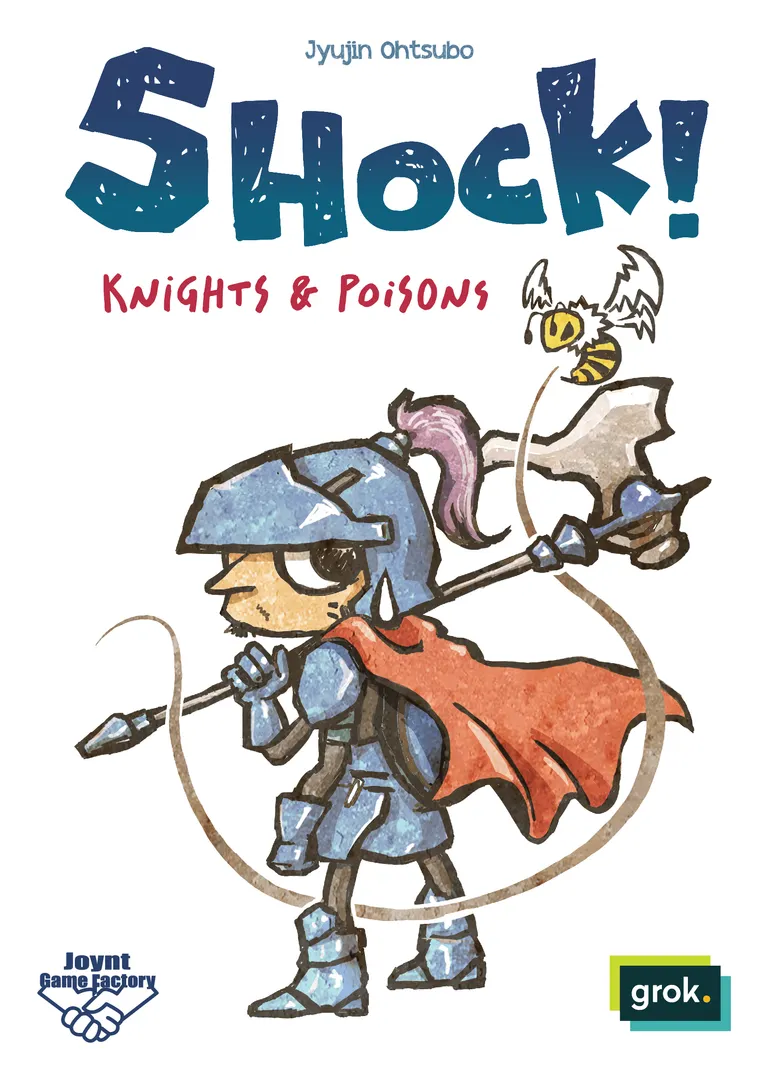
Shock! Knights & Poisons
- 3–5 players
- 30 min
- Complexity 1.5/5
- 2020
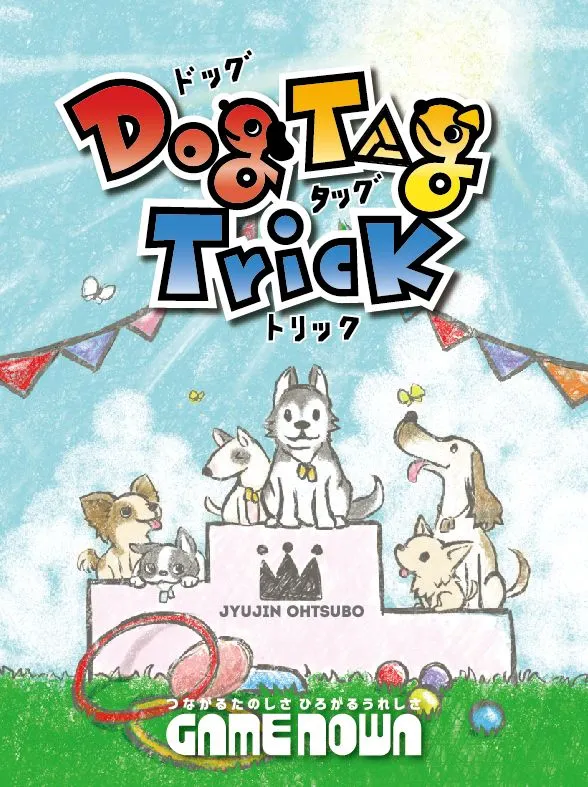
2020
Rules assistance for Dog Tag Trick
Plain-language explanations of turns, card effects and disputed situations, with official source references and saved question history.
What would you like to know?
Answers come from the official rulebook, with the page to check.
Dog Tag Trick is a board game released in 2020 for 3–5 players, 20–30 minutes per game, and ages 8 and up. It was designed by おーつぼじゅうじん (Jyujin Ohtsubo) and its main mechanics are Trick-taking.





Dog Tag Trick is a trick-taking game to have your dogs compete in various events and win at a dog show. 1. Deal the dog cards. (3 players: 11 cards each / 4 players: 9 cards each / 5 players: 7 cards each) 2. Determine the lead player. Then, beginning with the lead player, take turns to play up to 2 cards. 3. If the lead player plays 2 cards, the lead player and subsequent players who follow suit and play 2 cards of the same type of combination can compete in the main event. However, you can still compete in the sub event by playing 1 card. 4. In the main event, the #1 and #2 players get 3 pts and 1 pt respectively. In the sub event, the #1 player gets 1 pt. 5. The winner of this mini-game (trick) will be the lead player of the next trick. 6. Play the tricks repeatedly until someone has exhausted their hand of cards (1 round). In the final trick, the #1 player in the main event gets 5 pts. (The #1 player in the sub event gets 1 pt as usual.) 7. The game ends after playing a number of rounds matching the number of players. Then the player with the highest total score wins. 「ドッグフェスティバル」に犬を色んな競技種目に出場させて優勝を目指します。 ①犬カード(3人:11枚、4人:9枚、5人:7枚)を配ります。 ②親を決め、親から任意のカードを最大2枚まで出します。 ③親が2枚出した場合、次のプレイヤーからは親が出した組み合わせの種類(=役)をフォローしないとメインの得点争いに絡めません。但し、1枚出しならサブの争いに絡めます。 ④メインは1位(3点)と2位(1点)まで、サブでは1位(1点)のみ得点を獲得します。 ⑤このミニゲームを『トリック』と呼び、トリックの勝者が次のトリックの親になります。 ⑥誰かの手札がなくなるまでトリックを繰り返します(1ラウンド)が、この最終トリックのメインの勝者(1位)だけが5点を獲得します。(サブの1位は通常通り1点) ⑦プレイ人数分のラウンドの終了により最も合計点の高いプレイヤーがゲームの勝者です。 publisher's summary
Dog Tag Trick supports 3–5 players according to the catalogue. This range comes from the publisher’s listed player count, so the game can be set up for any group size within it. Some setups, rules and scoring details may still vary by player count, so check your edition’s rulebook for the exact configuration.
The listed playing time for Dog Tag Trick is 20–30 minutes. This is the publisher’s estimate for a full game. The actual duration depends on the group, the player count and familiarity with the rules: first sessions usually run longer, while experienced groups often finish faster. Setup and teaching time are not included in this estimate.
The catalogue lists Dog Tag Trick for ages 8 and up. This is the publisher’s recommendation and reflects reading demands, rule complexity and small components rather than theme alone. Younger players can often join with help from an adult, so check the age guidance on your edition and consider your group’s experience with board games.
Dog Tag Trick has a complexity rating of 1.8 out of 5 from BoardGameGeek players, which makes it a light game. The rating reflects how much rules knowledge, planning and decision-making a typical game demands. Expect a longer first teach for heavier games, and use a preparation guide before game night.
Dog Tag Trick belongs to these categories: Card Game and Animals. Its main mechanics are Trick-taking. Categories describe the theme and setting of a game, while mechanics describe what players actually do on their turns. Each mechanic links to a catalogue hub with similar games, which helps when you want something comparable.
The credited designers of Dog Tag Trick are: おーつぼじゅうじん (Jyujin Ohtsubo). These credits come from the published game data and name the people responsible for the game’s design, not its illustrators or publishers. Designer pages on MeepleRules collect other titles by the same designers, which helps when you enjoy a game and want to find similar ones.
The catalogue lists Dog Tag Trick as a base game. It can be played on its own with the components in the box and does not require any other title. Expansions, if any exist, add new content or rules on top of it and are listed separately in the catalogue with a link back to this base game.