
- BGG rank
- BGG #28,776
- BGG rating
- 5.0
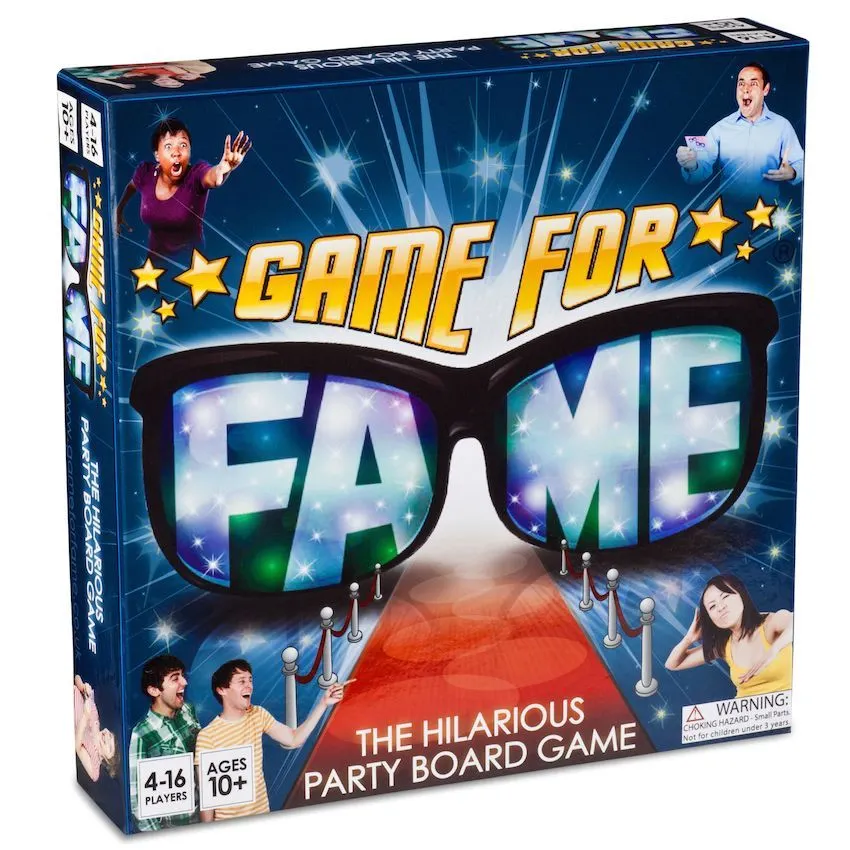
Game for Fame
- 4–16 players
- 30–90 min
- Complexity 1.0/5
- 2010
2021
Rules assistance for Dream Crush
Plain-language explanations of turns, card effects and disputed situations, with official source references and saved question history.
For 2 players
What would you like to know?
Answers come from the official rulebook, with the page to check.
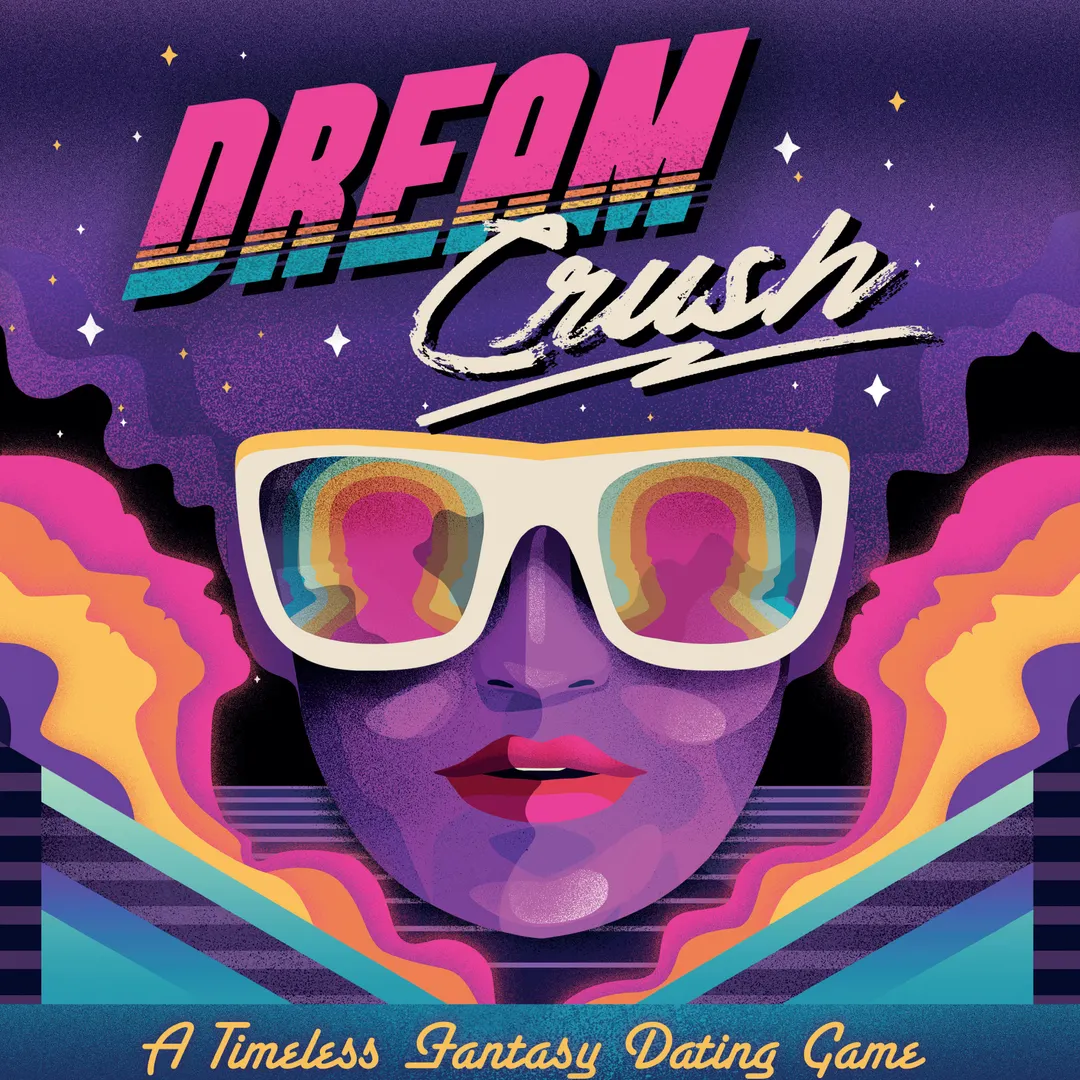
Dream Crush is a board game released in 2021 for 2–6 players, 30 minutes per game, and ages 14 and up. It was designed by Nick Prueher and its main mechanics are Paper-and-Pencil and Role Playing.
Prepare to GUSH about your CRUSH! Look into your heart and choose your favorite Crush, then guess who your friends are crushing on in this totally timeless fantasy dating game! Uncover sweet and strange secrets about prospective Crushes while navigating hilarious relationship milestones that will leave your feelings reeling as you play. Only by correctly predicting who makes your friends swoon will you live happily ever after with your own Dream Crush! Inspired by the classic dating games of the past half-century or so, Dream Crush was brought to life by Found Footage Fest cofounder Nick Prueher, with graphic design by Chris Bilheimer and the Mondo team, original artwork by We Buy Your Kids, and incredible photography by Carli Davidson featuring a gorgeous cast of Crushes. The game is played over five rounds: in each round, a Milestone Card with steadily increasing impact is revealed (ex: “They ask you to be on their bar trivia team” or “You must co-sign a lease with one Crush”. Next, a Secret about each Crush is revealed, lending insight into their unique personalities and lifestyles. Each player secretly chooses a Crush to embark upon the Milestone with, writing it on their scorecard, while also predicting who their friends will pick. Once everyone has recorded their answers, players take turns revealing their choices, often engaging in passionate table-talk defending their decision-making process (which becomes more agonizing as the rounds pass). All correct guesses count as points toward a total that will determine the winner at the end of the game. -description from publisher
Dream Crush supports 2–6 players according to the catalogue. This range comes from the publisher’s listed player count, so the game can be set up for any group size within it. Some setups, rules and scoring details may still vary by player count, so check your edition’s rulebook for the exact configuration.
The listed playing time for Dream Crush is 30 minutes. This is the publisher’s estimate for a full game. The actual duration depends on the group, the player count and familiarity with the rules: first sessions usually run longer, while experienced groups often finish faster. Setup and teaching time are not included in this estimate.
The catalogue lists Dream Crush for ages 14 and up. This is the publisher’s recommendation and reflects reading demands, rule complexity and small components rather than theme alone. Younger players can often join with help from an adult, so check the age guidance on your edition and consider your group’s experience with board games.
Dream Crush has a complexity rating of 1.1 out of 5 from BoardGameGeek players, which makes it a light game. The rating reflects how much rules knowledge, planning and decision-making a typical game demands. Expect a longer first teach for heavier games, and use a preparation guide before game night.
Dream Crush belongs to these categories: Humor and Party Game. Its main mechanics are Paper-and-Pencil and Role Playing. Categories describe the theme and setting of a game, while mechanics describe what players actually do on their turns. Each mechanic links to a catalogue hub with similar games, which helps when you want something comparable.
The credited designers of Dream Crush are: Nick Prueher. These credits come from the published game data and name the people responsible for the game’s design, not its illustrators or publishers. Designer pages on MeepleRules collect other titles by the same designers, which helps when you enjoy a game and want to find similar ones.
The catalogue lists Dream Crush as a base game. It can be played on its own with the components in the box and does not require any other title. Expansions, if any exist, add new content or rules on top of it and are listed separately in the catalogue with a link back to this base game.