

- BGG rank
- BGG #5,135
- BGG rating
- 7.3
Stalingrad Pocket: 2nd Edition – The Wehrmacht's Greatest Disaster
- 1–2 players
- 180–900 min
- Complexity 2.6/5
- 1996
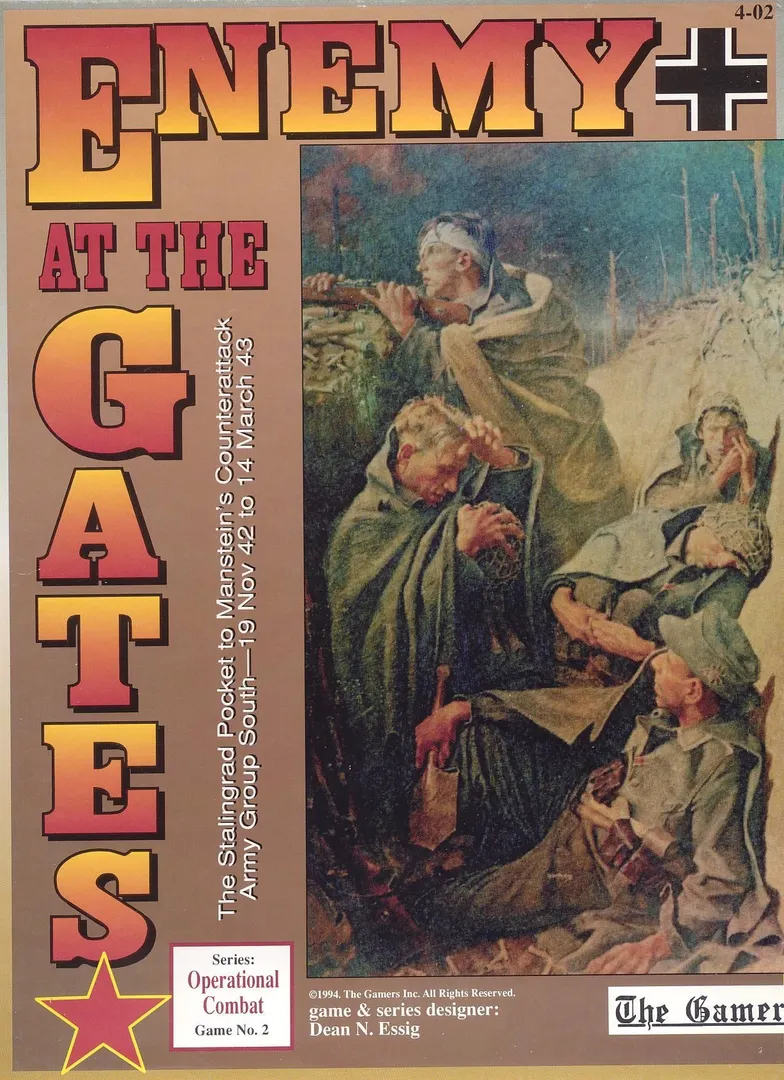
1994
Rules assistance for Enemy at the Gates
Plain-language explanations of turns, card effects and disputed situations, with official source references and saved question history.
For 1 player
What would you like to know?
Answers come from the official rulebook, with the page to check.
Enemy at the Gates is a board game released in 1994 for 1–4 players, 240–6000 minutes per game, and ages 12 and up. It was designed by Dean Essig and its main mechanics are Dice Rolling, Hexagon Grid, and Simulation.


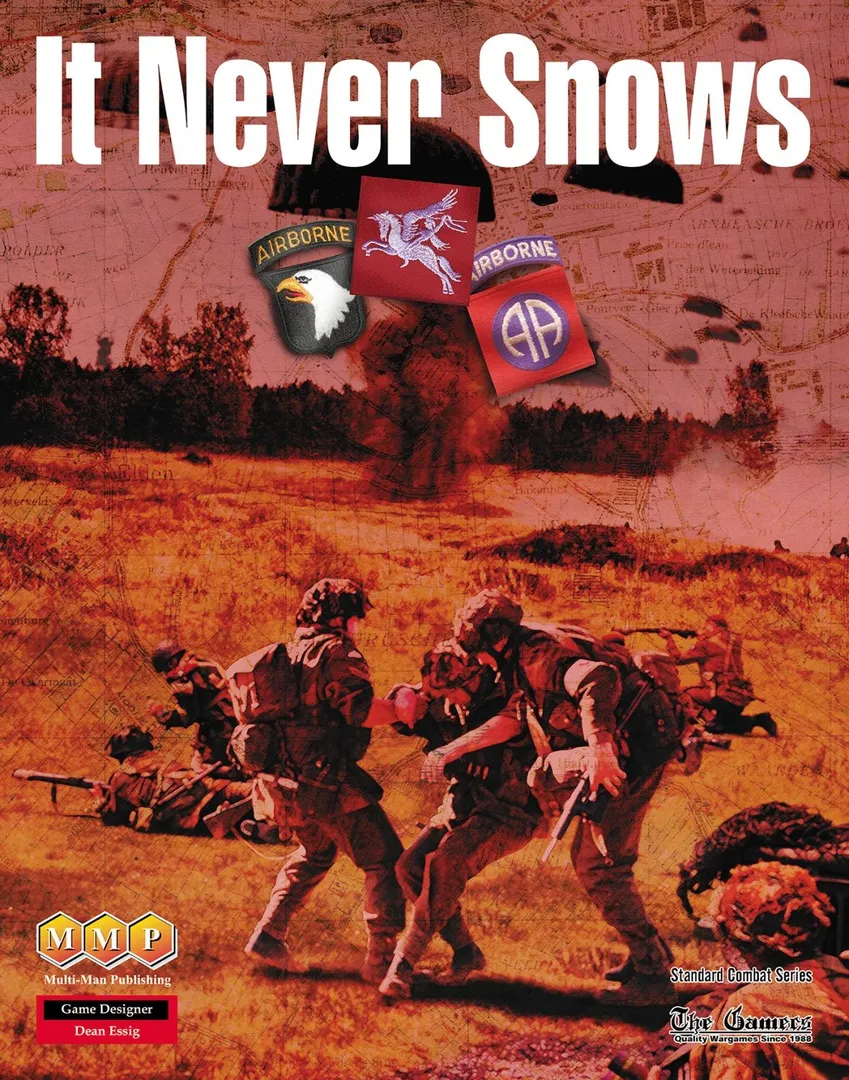
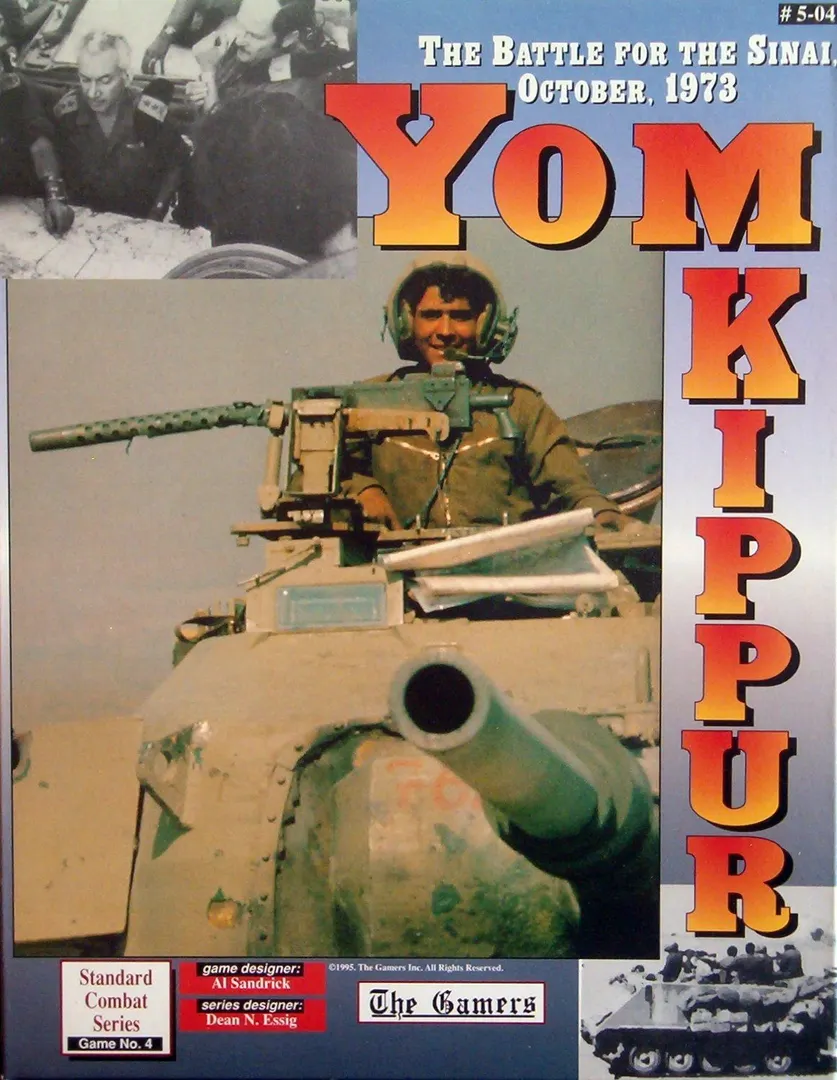

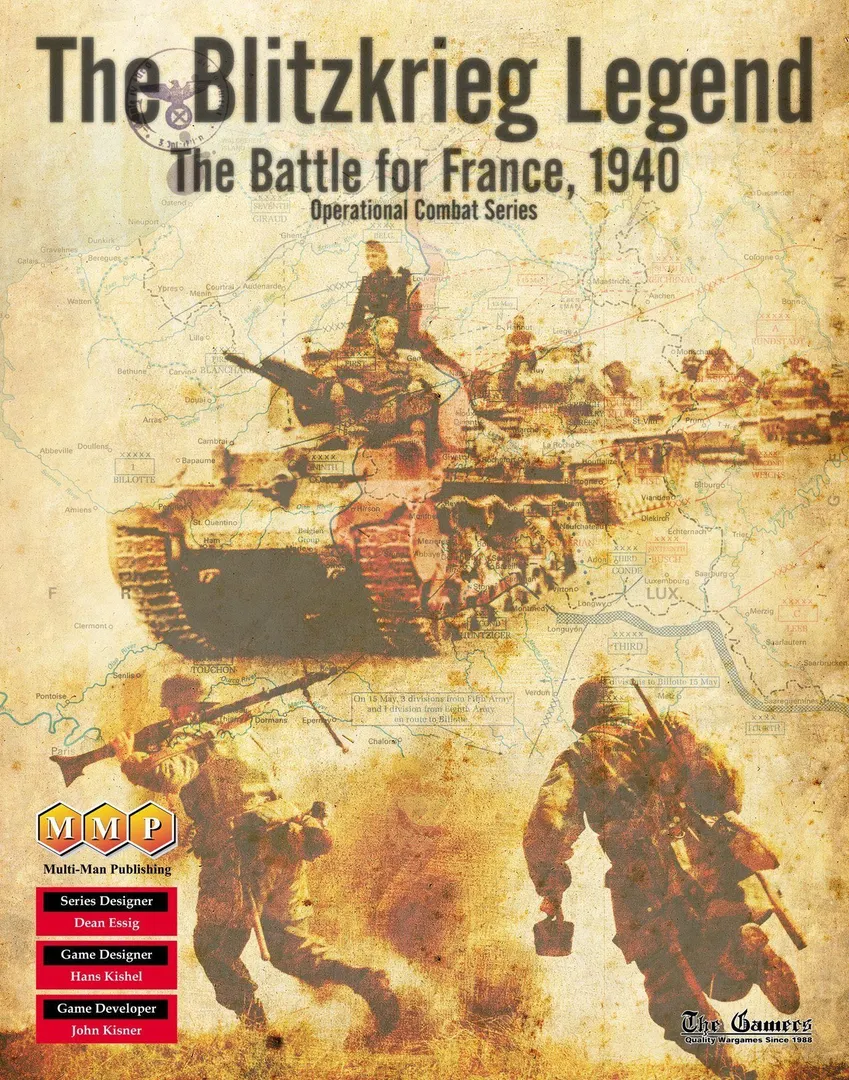
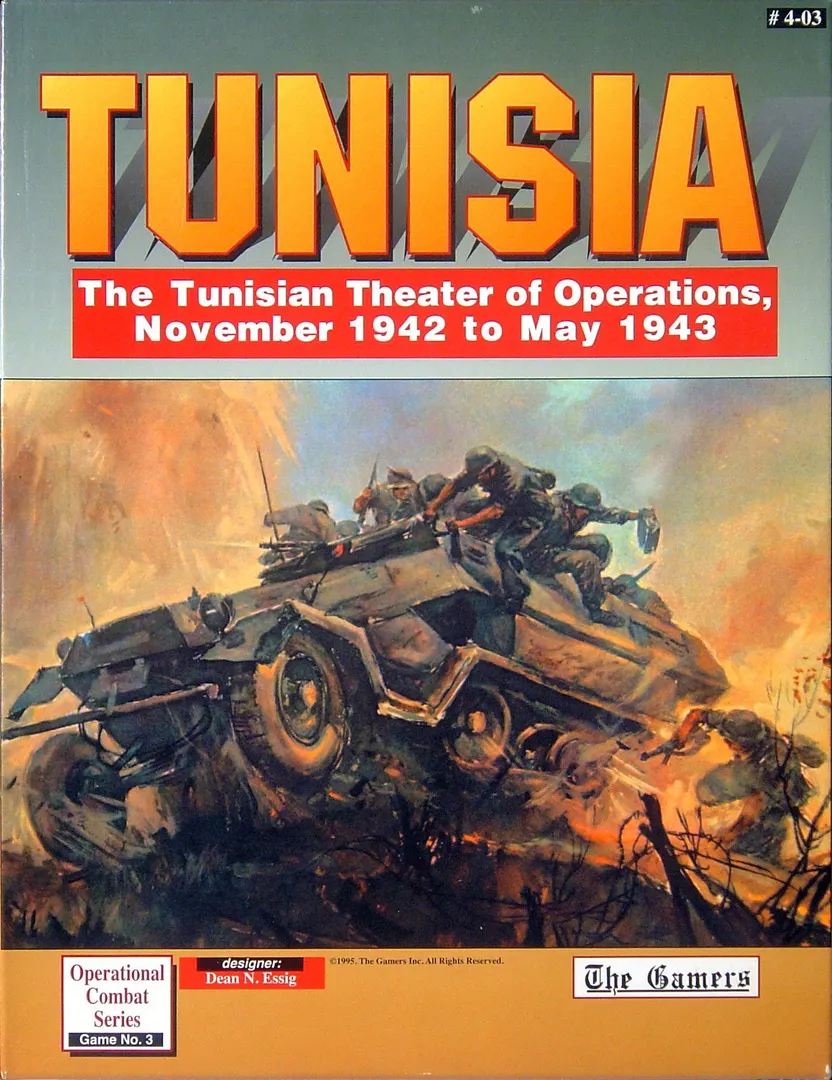

On a cold, foggy morning in November, 1942, a four-hour artillery barrage rocked the Rumanian lines north and south of Stalingrad. Countless swarms of Red infantry, tanks, and guns then swept the lines. In four days, the pincers met near Kalach-um-Don – entombing the 6th Army in Stalingrad. During the next three months, the Germans will reel from successive Soviet hammer blows, try in vain to relieve the 6th Army, and fail to supply it from the air. The 6th Army surrenders, and only the counter-attack by von Manstein’s panzers stop the red tide. The turning point of World War II in Europe has passed. Enemy at the Gates, the second Operational Combat Series release by The Gamers, offers players different challenges from those in the very popular game Guderian’s Blitzkrieg. The Soviet army has rearmed and reorganized their Tank Corps – their challenge to the Panzer Divisions. The unique force structures of each side force players to fight differently in order to maximize their strengths. And, of course, players must face the toughest operation and strategic choices they have ever faced. When to stand, when to run…and when to strike. Enemy at the Gates covers the entire period from 19 November 1942 to mid-March 1943. There are numerous one and two map scenarios. The game covers Operation Uranus, Operation Little Saturn, the German Relief and airlift efforts, and Operation Star and Gallup (to include von Manstein’s famous “backhand blow”). Extensively researched, playtested, and developed, Enemy at the Gates will satisfy the Eastern Front interest of any gamer who wants to know more than the pulp-history version of these pivotal events! Features: Dynamic and fluid situation All of the pivotal battles in AG South The creation of the Stalingrad pocket The relief effort and airlift Mansteins famous Backhand Blow! Follow-on to the popular Guderian's Blitzkrieg: The Drive on Moscow game and system- refined based on player feedback Player skill is highly rewarded Game Scale: Turn: Half-week Hex: 5 miles / 8 Km Units: Battalion to Army Game Inventory: Four 22 x 34" maps (Maps A, B, C & D) One 8 x 11" Stalingrad 'Blow-Up' map Eight dual-side printed countersheets (5 combat, 3 markers - 2,800 1/2" counters) One 36-page OCS rules booklet One 36-page Enemy at the Gate game specific rules booklet Two 6-page OCS version 2.0 Charts & Tables Folders Four Player Aid cards Two 6-sided dice Complexity: High Solitaire Suitability: High Playing Time: 4-100 hours Players: 1 or more (from the Game Box) All 4 maps were changed and reprinted in 2001. Updated and replaced by Case Blue.
Enemy at the Gates supports 1–4 players according to the catalogue. This range comes from the publisher’s listed player count, so the game can be set up for any group size within it. Some setups, rules and scoring details may still vary by player count, so check your edition’s rulebook for the exact configuration.
The listed playing time for Enemy at the Gates is 240–6000 minutes. This is the publisher’s estimate for a full game. The actual duration depends on the group, the player count and familiarity with the rules: first sessions usually run longer, while experienced groups often finish faster. Setup and teaching time are not included in this estimate.
The catalogue lists Enemy at the Gates for ages 12 and up. This is the publisher’s recommendation and reflects reading demands, rule complexity and small components rather than theme alone. Younger players can often join with help from an adult, so check the age guidance on your edition and consider your group’s experience with board games.
Enemy at the Gates has a complexity rating of 4.3 out of 5 from BoardGameGeek players, which makes it a heavy game. The rating reflects how much rules knowledge, planning and decision-making a typical game demands. Expect a longer first teach for heavier games, and use a preparation guide before game night.
Enemy at the Gates belongs to these categories: Wargame and World War II. Its main mechanics are Dice Rolling, Hexagon Grid, and Simulation. Categories describe the theme and setting of a game, while mechanics describe what players actually do on their turns. Each mechanic links to a catalogue hub with similar games, which helps when you want something comparable.
The credited designers of Enemy at the Gates are: Dean Essig. These credits come from the published game data and name the people responsible for the game’s design, not its illustrators or publishers. Designer pages on MeepleRules collect other titles by the same designers, which helps when you enjoy a game and want to find similar ones.
The catalogue lists Enemy at the Gates as a base game. It can be played on its own with the components in the box and does not require any other title. Expansions, if any exist, add new content or rules on top of it and are listed separately in the catalogue with a link back to this base game.