
- BGG rank
- BGG #21,595
- BGG rating
- 7.4
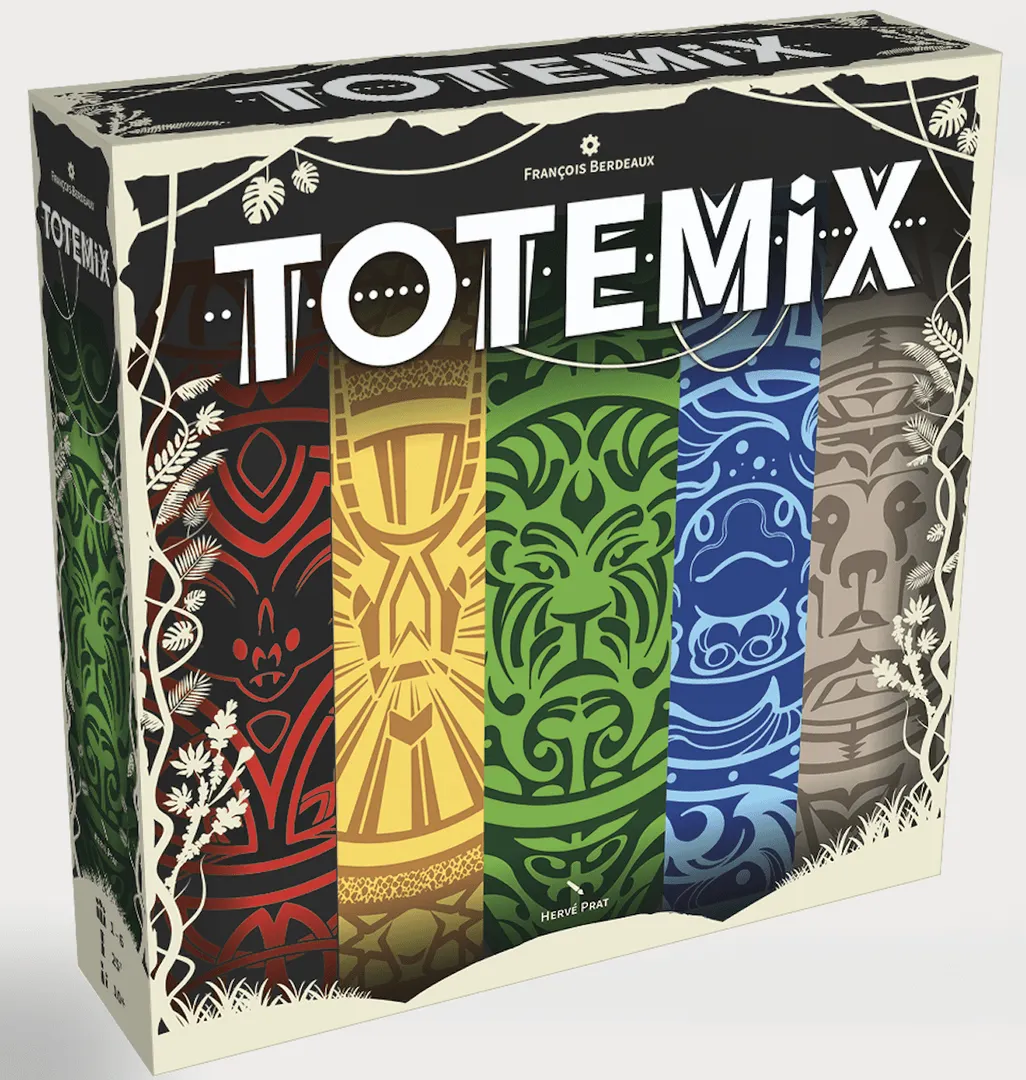
Totemix
- 1–6 players
- 25 min
- Complexity 2.5/5
- 2022
2025
Rules assistance for Etherium
Plain-language explanations of turns, card effects and disputed situations, with official source references and saved question history.
What would you like to know?
Answers come from the official rulebook, with the page to check.
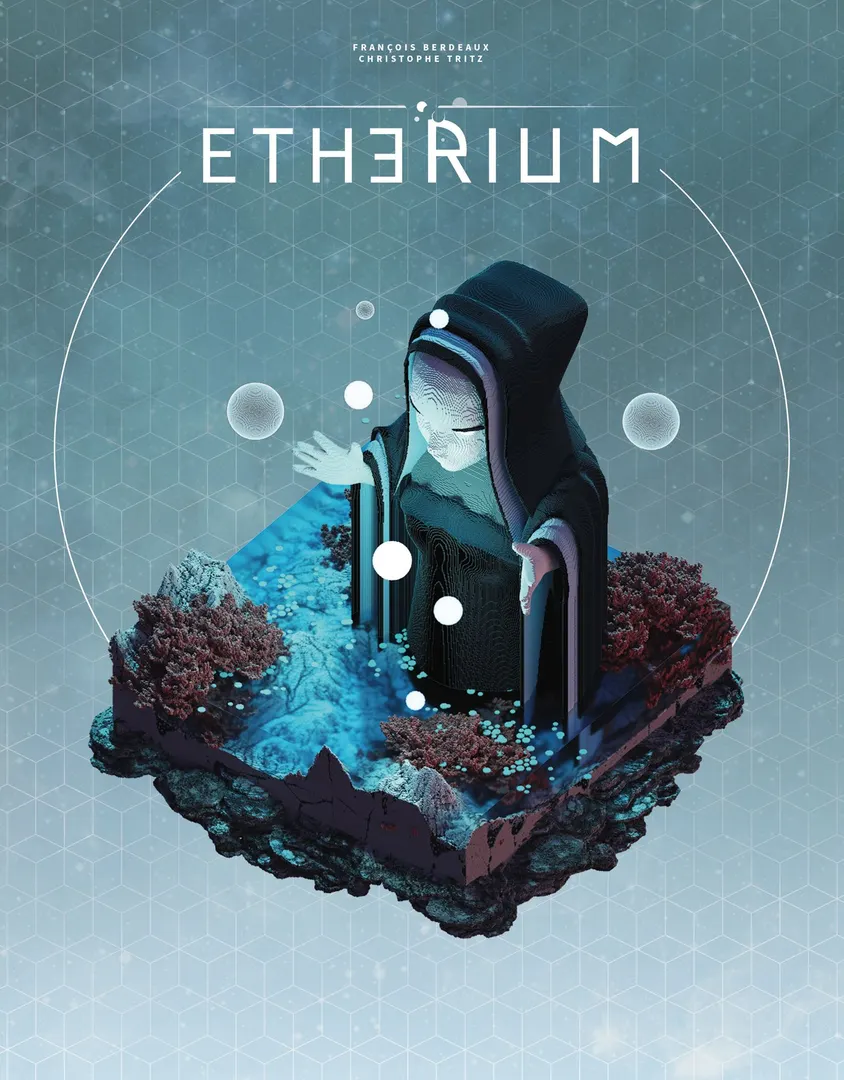
Etherium is a board game released in 2025 for 2–4 players, 45–60 minutes per game, and ages 13 and up. It was designed by François Berdeaux and its main mechanics are Programmed Movement.
Etherium is a planet like no other, home of a unique resource: the Ether. This substance acts directly on gravity and space-time, affecting the laws of physics through its unique properties, and reshaping the rules that apply to the rest of the universe. A few thousand years ago, a collision with an asteroid almost shattered the planet, which now holds together only thanks to the power of the Ether. Since this cataclysm, the planet's landscape has become a succession of inhospitable platforms gravitating to the rhythm of cosmic currents. Born of this collision, six natural satellites - Mauhea, Reces, Hivalia, Ertis, Meinas and Psolos - orbit Etherium in a chaotic ballet. These moons' erratic revolutions disrupt the rhythm of the seasons and strongly influence the development of life on Etherium. A calendar year sees the seasons pass in random order, making it difficult for life to develop. Each of these moons is home to a people with very specific characteristics. These orbiting microcosms have developed a unique relationship with Etherium, which has significantly shaped their evolution. Strongly linked, the natural satellites are connected to Etherium by gravity-defying etheric corridors, allowing the various people to move easily to the mother planet in the hope of harvesting the precious Ether. All people need Ether to develop, but it exists in only one place on Etherium, within reach of all hands and at the center of all greed. Until now, the balance has been maintained, but as all people become more eager each passing season, everything is about to change. The 3D board of Etherium is made of cardboard "boxes", easy to set up & to store for each game. 6 tribes to mix & play, with their own unique abilities. Each turn, which represents a season, players will program their actions (7 seasons to play): development, attack or defense, resource optimization or mitigate luck, and even production. Multiple victory conditions: earn victory points in many different ways through the game. victory tokens in limited quantity to earn special abilities to develop, units to upgrade and of course, Ether you gather
Etherium supports 2–4 players according to the catalogue. This range comes from the publisher’s listed player count, so the game can be set up for any group size within it. Some setups, rules and scoring details may still vary by player count, so check your edition’s rulebook for the exact configuration.
The listed playing time for Etherium is 45–60 minutes. This is the publisher’s estimate for a full game. The actual duration depends on the group, the player count and familiarity with the rules: first sessions usually run longer, while experienced groups often finish faster. Setup and teaching time are not included in this estimate.
The catalogue lists Etherium for ages 13 and up. This is the publisher’s recommendation and reflects reading demands, rule complexity and small components rather than theme alone. Younger players can often join with help from an adult, so check the age guidance on your edition and consider your group’s experience with board games.
Etherium has a complexity rating of 2.6 out of 5 from BoardGameGeek players, which makes it a medium-light game. The rating reflects how much rules knowledge, planning and decision-making a typical game demands. Expect a longer first teach for heavier games, and use a preparation guide before game night.
Etherium belongs to these categories: Science Fiction. Its main mechanics are Programmed Movement. Categories describe the theme and setting of a game, while mechanics describe what players actually do on their turns. Each mechanic links to a catalogue hub with similar games, which helps when you want something comparable.
The credited designers of Etherium are: François Berdeaux. These credits come from the published game data and name the people responsible for the game’s design, not its illustrators or publishers. Designer pages on MeepleRules collect other titles by the same designers, which helps when you enjoy a game and want to find similar ones.
The catalogue lists Etherium as a base game. It can be played on its own with the components in the box and does not require any other title. Expansions, if any exist, add new content or rules on top of it and are listed separately in the catalogue with a link back to this base game.