
- BGG rank
- BGG #1,723
- BGG rating
- 6.6
Quoridor
- 2–4 players
- 15 min
- Complexity 1.8/5
- 1997
1680
Rules assistance for Fanorona
Plain-language explanations of turns, card effects and disputed situations, with official source references and saved question history.
For 2 players
What would you like to know?
Answers come from the official rulebook, with the page to check.
Fanorona is a board game released in 1680 for 2 players, 20 minutes per game, and ages 7 and up. Its main mechanics are Square Grid and Grid Movement.
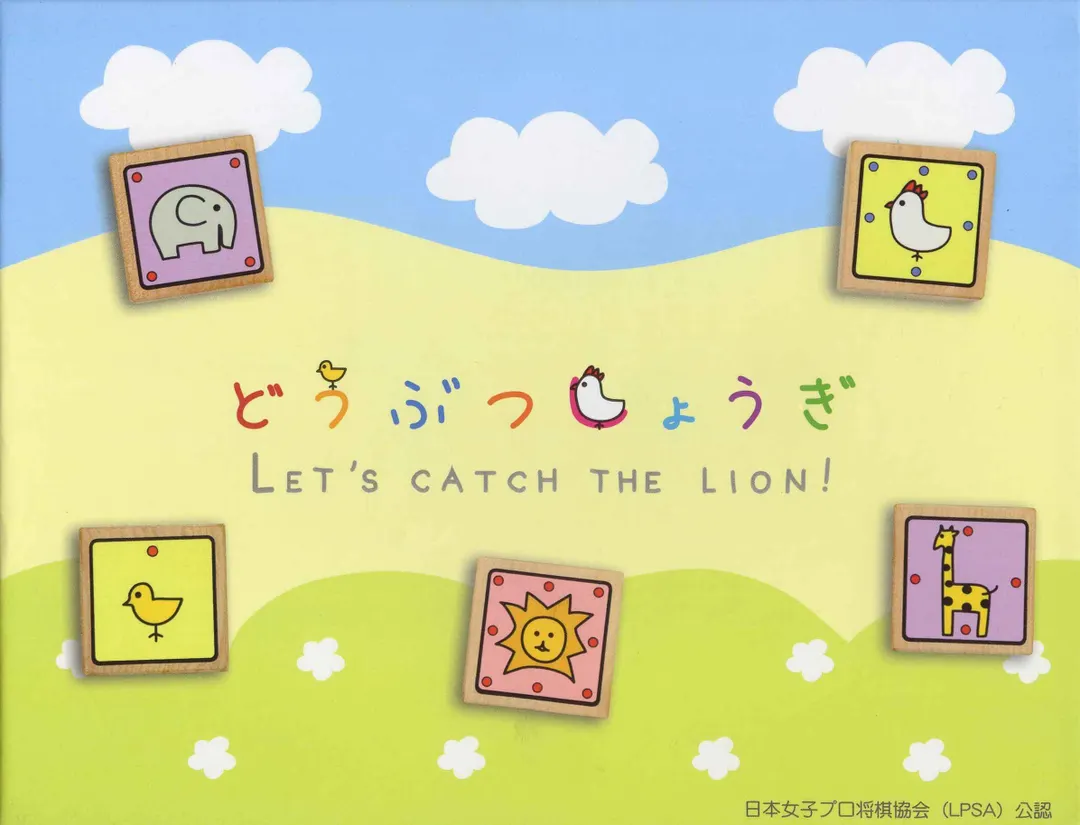
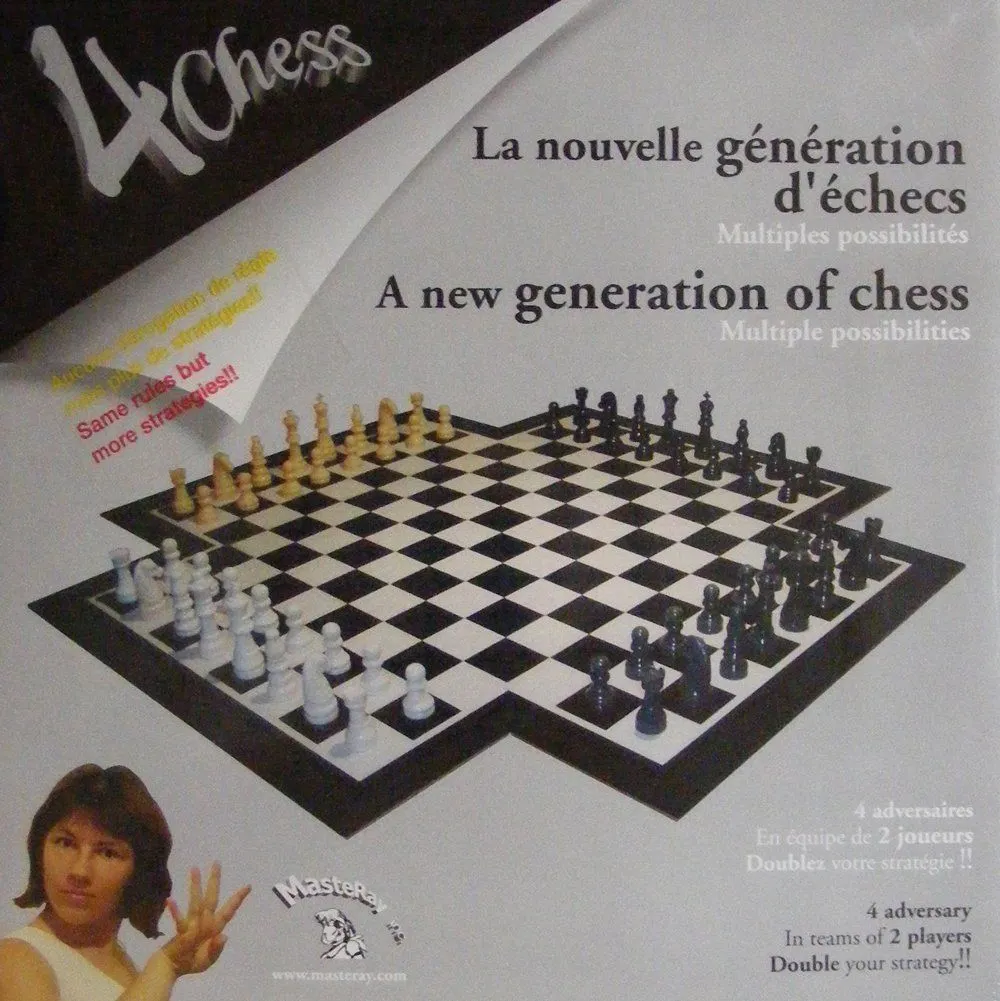


Fanorona is a classical two-person strategic abstract game that comes from the island of Madagascar and is still popular there today. It is played on a rectangular board made up of two Alquerque boards with 22 plain black and white pieces. Capturing is compulsory and a series of captures may be made by the same piece on a turn, as in checkers. Unique aspects of the game include its method of capture (either approaching or withdrawing your piece from a line of enemy pieces), and the "vela partie" (debt game) after winning a decisive game (the winner must let the loser "eat" one man each turn for 17 consecutive moves). Because of the density of the board (only one open spot at the games beginning) and the unique method of capture, strategy is complex and enigmatic, with fewer pieces often beating more pieces. (While very different, the game feels somewhat like Zertz due to the above.) Historical note from one game box: Some Fanorona matches were devoted to the Gods and last but not least the fate and colonialization of Madagascar (1895) supposed to be solved unbloody with Fanorona on the game table.
Fanorona supports 2 players according to the catalogue. This is the publisher’s listed player count, so the game is designed for exactly that number of participants. Variants for other group sizes, if any, are described in the rulebook of your edition, so check it before setting up a different configuration.
The listed playing time for Fanorona is 20 minutes. This is the publisher’s estimate for a full game. The actual duration depends on the group, the player count and familiarity with the rules: first sessions usually run longer, while experienced groups often finish faster. Setup and teaching time are not included in this estimate.
The catalogue lists Fanorona for ages 7 and up. This is the publisher’s recommendation and reflects reading demands, rule complexity and small components rather than theme alone. Younger players can often join with help from an adult, so check the age guidance on your edition and consider your group’s experience with board games.
Fanorona has a complexity rating of 2.4 out of 5 from BoardGameGeek players, which makes it a medium-light game. The rating reflects how much rules knowledge, planning and decision-making a typical game demands. Expect a longer first teach for heavier games, and use a preparation guide before game night.
Fanorona belongs to these categories: Children's Game and Abstract Strategy. Its main mechanics are Square Grid and Grid Movement. Categories describe the theme and setting of a game, while mechanics describe what players actually do on their turns. Each mechanic links to a catalogue hub with similar games, which helps when you want something comparable.
The catalogue lists Fanorona as a base game. It can be played on its own with the components in the box and does not require any other title. Expansions, if any exist, add new content or rules on top of it and are listed separately in the catalogue with a link back to this base game.