- BGG rating
- 7.4
Rules assistance for Great War at Sea: Rise of the Dragon
Plain-language explanations of turns, card effects and disputed situations, with official source references and saved question history.
- 1–2 players
- 30–180 min
- 12+
- Complexity 3.0/5

Rules assistant for Great War at Sea: Rise of the Dragon
What would you like to know?
Answers come from the official rulebook, with the page to check.
Great War at Sea: Rise of the Dragon is an expansion for Great War at Sea: Central Powers released in 2016 for 1–2 players, 30–180 minutes per game, and ages 12 and up. It was designed by Michael Bennighof and its main mechanics are Dice Rolling, Secret Unit Deployment, and Hexagon Grid.
About the game
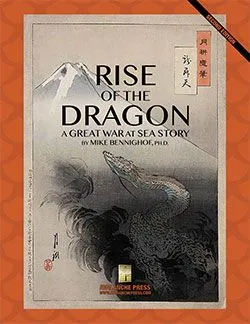
From the publisher: In 1907, the Imperial Chinese Navy proposed a new building program to provide three regional fleets, each built around a new modern battleship. Two years later a naval commission headed by the Regent's brother, Prince Tsai-hsun, recommended a fleet of eight dreadnoughts and 20 cruisers plus supporting vessels, and began soliciting bids from shipyards around the world. China never built that fleet, but that doesn’t stop you from leading it into battle against the Japanese imperialists. Great War at Sea: Rise of the Dragon presents the Chinese line of battle as proposed by Prince Tsai-hsun, made up of ships built in Germany, Britain, Japan, Austria-Hungary, Italy and the United States. The Chinese have nine dreadnought battleships: the eight new ships proposed by the Prince, plus the former Brazilian Rio de Janeiro. Plus the twenty proposed cruisers, and the destroyers, mine craft, gunboats and torpedo boats that made up the rest of the program. Eleven new scenarios send this fleet into action against the Japanese in 1915, resisting Japan’s odious demands for control of Chinese ports, railways and mines. The Japanese have countered the Chinese buildup with additional new ships of their own, foregoing the reconstruction of captured Russian prizes to invest instead in additional new battleships and cruisers, including the small battle cruisers proposed in 1905. Rise of the Dragon is a supplement for the Great War at Sea series, based on battles that never happened. It is not a complete game: Ownership of Russo-Japanese War, Pacific Crossroads and Central Powers (and only those three items) is necessary to play all of the eleven scenarios included. Rise of the Dragon includes 90 laser-cut and mounted playing pieces: 50 "long" pieces representing major warships and 40 square ones representing smaller craft and fleet markers.
Designers
Publishers
- Avalanche Press Ltd.
Questions and answers
Great War at Sea: Rise of the Dragon supports 1–2 players according to the catalogue. This range comes from the publisher’s listed player count, so the game can be set up for any group size within it. Some setups, rules and scoring details may still vary by player count, so check your edition’s rulebook for the exact configuration.
The listed playing time for Great War at Sea: Rise of the Dragon is 30–180 minutes. This is the publisher’s estimate for a full game. The actual duration depends on the group, the player count and familiarity with the rules: first sessions usually run longer, while experienced groups often finish faster. Setup and teaching time are not included in this estimate.
The catalogue lists Great War at Sea: Rise of the Dragon for ages 12 and up. This is the publisher’s recommendation and reflects reading demands, rule complexity and small components rather than theme alone. Younger players can often join with help from an adult, so check the age guidance on your edition and consider your group’s experience with board games.
Great War at Sea: Rise of the Dragon has a complexity rating of 3.0 out of 5 from BoardGameGeek players, which makes it a medium-weight game. The rating reflects how much rules knowledge, planning and decision-making a typical game demands. Expect a longer first teach for heavier games, and use a preparation guide before game night.
Great War at Sea: Rise of the Dragon belongs to these categories: Wargame, Nautical, and Expansion for Base-game. Its main mechanics are Dice Rolling, Secret Unit Deployment, and Hexagon Grid. Categories describe the theme and setting of a game, while mechanics describe what players actually do on their turns. Each mechanic links to a catalogue hub with similar games, which helps when you want something comparable.
The credited designers of Great War at Sea: Rise of the Dragon are: Michael Bennighof. These credits come from the published game data and name the people responsible for the game’s design, not its illustrators or publishers. Designer pages on MeepleRules collect other titles by the same designers, which helps when you enjoy a game and want to find similar ones.
The catalogue lists Great War at Sea: Rise of the Dragon as an expansion for Great War at Sea: Central Powers. Expansions add new content, rules or scenarios to the base game and usually cannot be played on their own, so you need Great War at Sea: Central Powers to use it. Check that your edition of Great War at Sea: Central Powers is compatible, as some expansions were revised between editions.