
- BGG rank
- BGG #20,434
- BGG rating
- 7.0
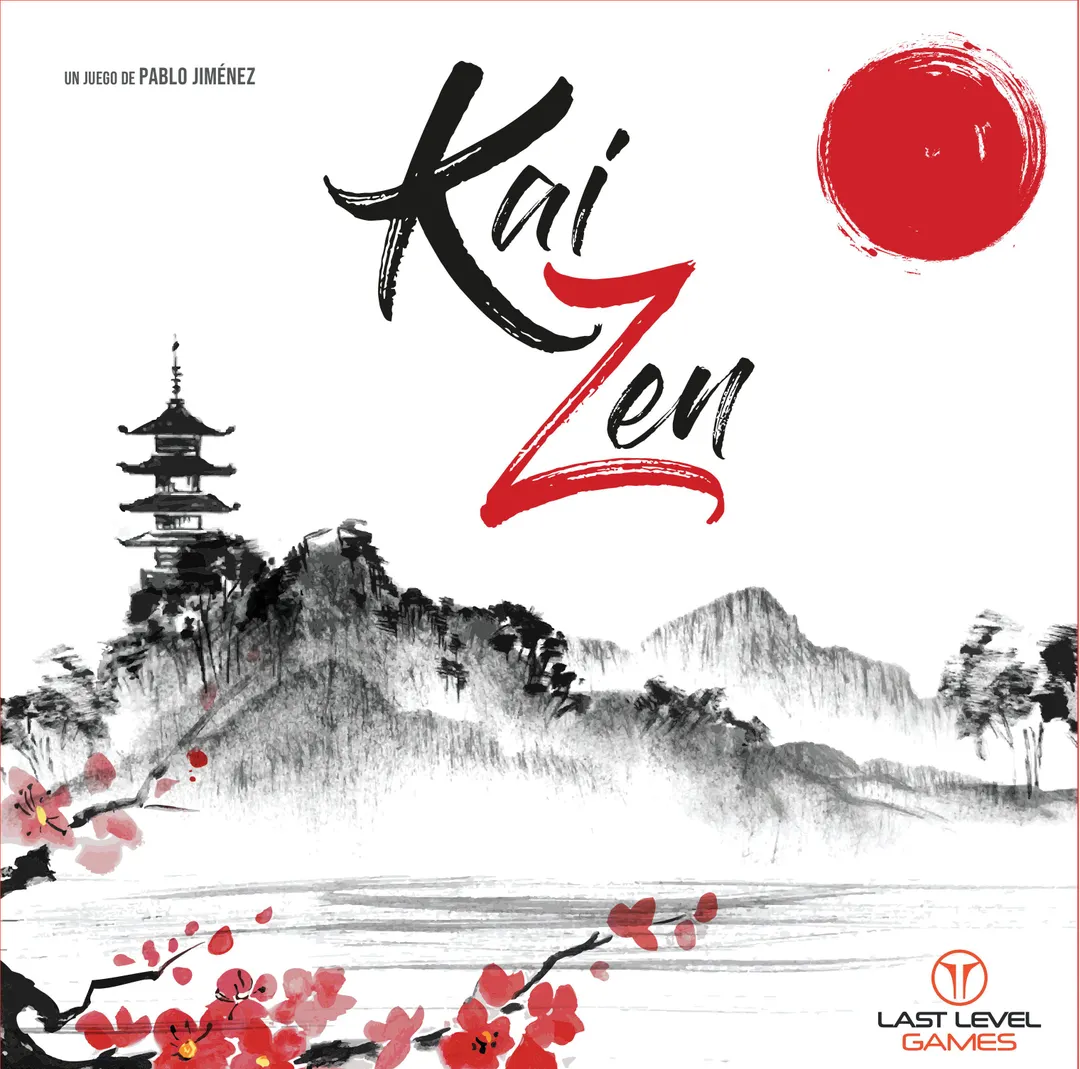
Kai-Zen
- 2–4 players
- 20 min
- Complexity 2.0/5
- 2019

2026
Rules assistance for Kano
Plain-language explanations of turns, card effects and disputed situations, with official source references and saved question history.
What would you like to know?
Answers come from the official rulebook, with the page to check.
Kano is a board game released in 2026 for 2–4 players, 30–40 minutes per game, and ages 12 and up. It was designed by Pablo Jiménez and Angel Pintero and its main mechanics are Set Collection, Tile Placement, and Pattern Building.





In Kano, 2 to 4 players compete to create their own Emakimono—traditional Japanese painted handscrolls—by skillfully arranging vibrant paint pots. The game elegantly blends tactical resource management with spatial optimization as players navigate a shared central mat to collect the pigments needed for their masterpieces. Gameplay Mechanics: Precision and Patience Each turn, artists must make meaningful choices to fill their scrolls: Manipulate the Palette: Players may swap adjacent paint pots on the central mat to set up the perfect move. Pigment Collection: You must take at least one paint pot, but may take several if they are the same color and adjacent in a single row or column. The Rule of Gravity: When placing paint on your board, pots always "fall" to the lowest available space in a column, requiring careful planning to form specific patterns. The "Dry Paint" Limit: Artists must be efficient; if you end a turn with more than four visible paint pots on your board, the excess must be converted into "Cloud" tiles, which fill space but score no points. Achieving Prestige Once a pattern is formed, players replace their paint pots with beautiful Artwork Tiles. Points are awarded based on the complexity of the creations: Standard Artworks: Larger pieces earn higher scores, with 3-space artworks yielding 7 points. Personal Masterpieces: Players hold secret Masterpiece cards worth a significant 12 points each upon completion. The Shogun’s Demands: Common "Red" and "White" goal sheets provide shifting objectives every game, rewarding those who can adapt their style to meet specific artistic requirements. The game reaches its climax when one player completely fills their board, triggering a final round of scoring to determine the Master Artist. —description from the publisher
Kano supports 2–4 players according to the catalogue. This range comes from the publisher’s listed player count, so the game can be set up for any group size within it. Some setups, rules and scoring details may still vary by player count, so check your edition’s rulebook for the exact configuration.
The listed playing time for Kano is 30–40 minutes. This is the publisher’s estimate for a full game. The actual duration depends on the group, the player count and familiarity with the rules: first sessions usually run longer, while experienced groups often finish faster. Setup and teaching time are not included in this estimate.
The catalogue lists Kano for ages 12 and up. This is the publisher’s recommendation and reflects reading demands, rule complexity and small components rather than theme alone. Younger players can often join with help from an adult, so check the age guidance on your edition and consider your group’s experience with board games.
Kano has a complexity rating of 2.0 out of 5 from BoardGameGeek players, which makes it a medium-light game. The rating reflects how much rules knowledge, planning and decision-making a typical game demands. Expect a longer first teach for heavier games, and use a preparation guide before game night.
The main mechanics of Kano are Set Collection, Tile Placement, and Pattern Building. Mechanics describe what players actually do on their turns, such as rolling dice, drafting cards or placing workers. Each mechanic links to a catalogue hub with similar games, which helps when you enjoyed Kano and want something comparable.
The credited designers of Kano are: Pablo Jiménez and Angel Pintero. These credits come from the published game data and name the people responsible for the game’s design, not its illustrators or publishers. Designer pages on MeepleRules collect other titles by the same designers, which helps when you enjoy a game and want to find similar ones.
The catalogue lists Kano as a base game. It can be played on its own with the components in the box and does not require any other title. Expansions, if any exist, add new content or rules on top of it and are listed separately in the catalogue with a link back to this base game.