
- BGG rank
- BGG #2,917
- BGG rating
- 6.6
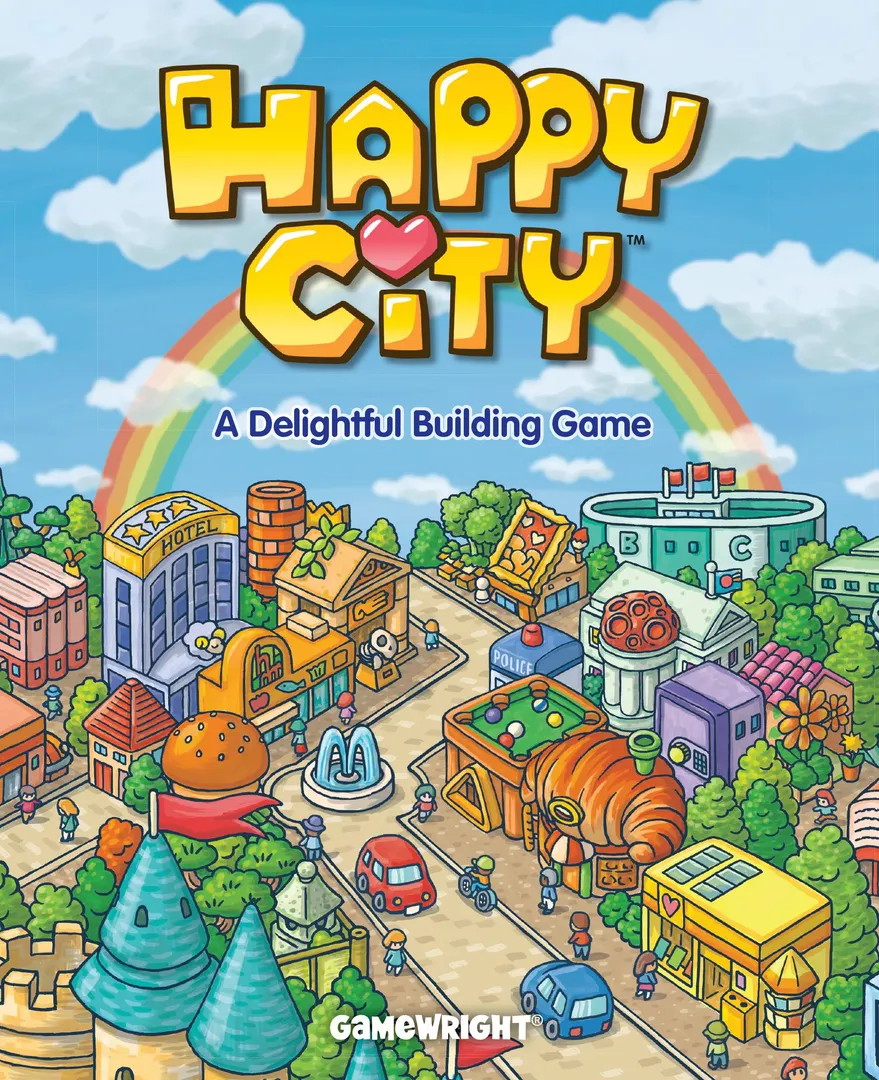
Happy City
- 2–5 players
- 20–30 min
- Complexity 1.3/5
- 2021
2017
Rules assistance for Legendary Forests
Plain-language explanations of turns, card effects and disputed situations, with official source references and saved question history.
For 2 players
What would you like to know?
Answers come from the official rulebook, with the page to check.
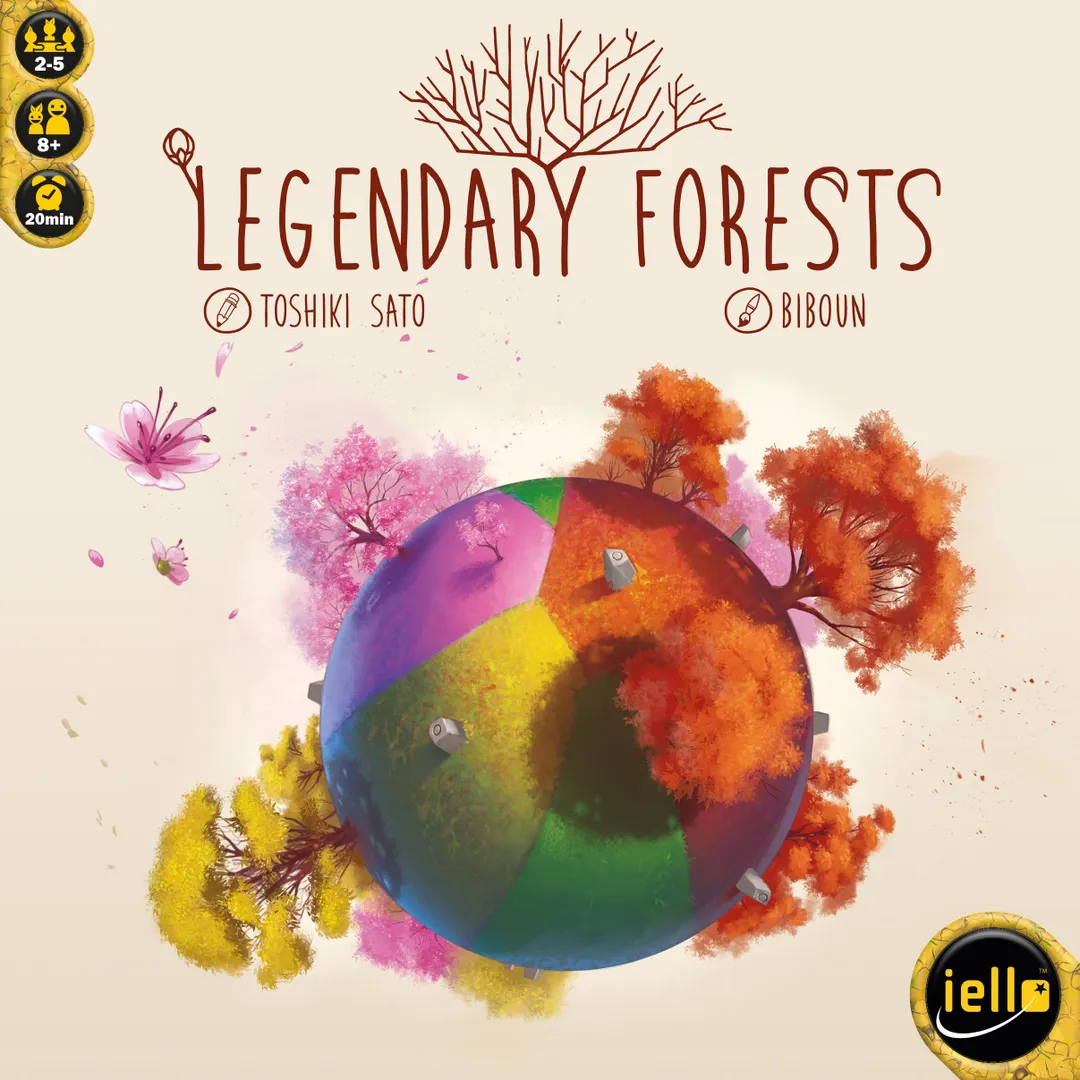
Legendary Forests is a board game released in 2017 for 2–5 players, 15–20 minutes per game, and ages 8 and up. It was designed by Toshiki Sato and its main mechanics are Tile Placement and Bingo.
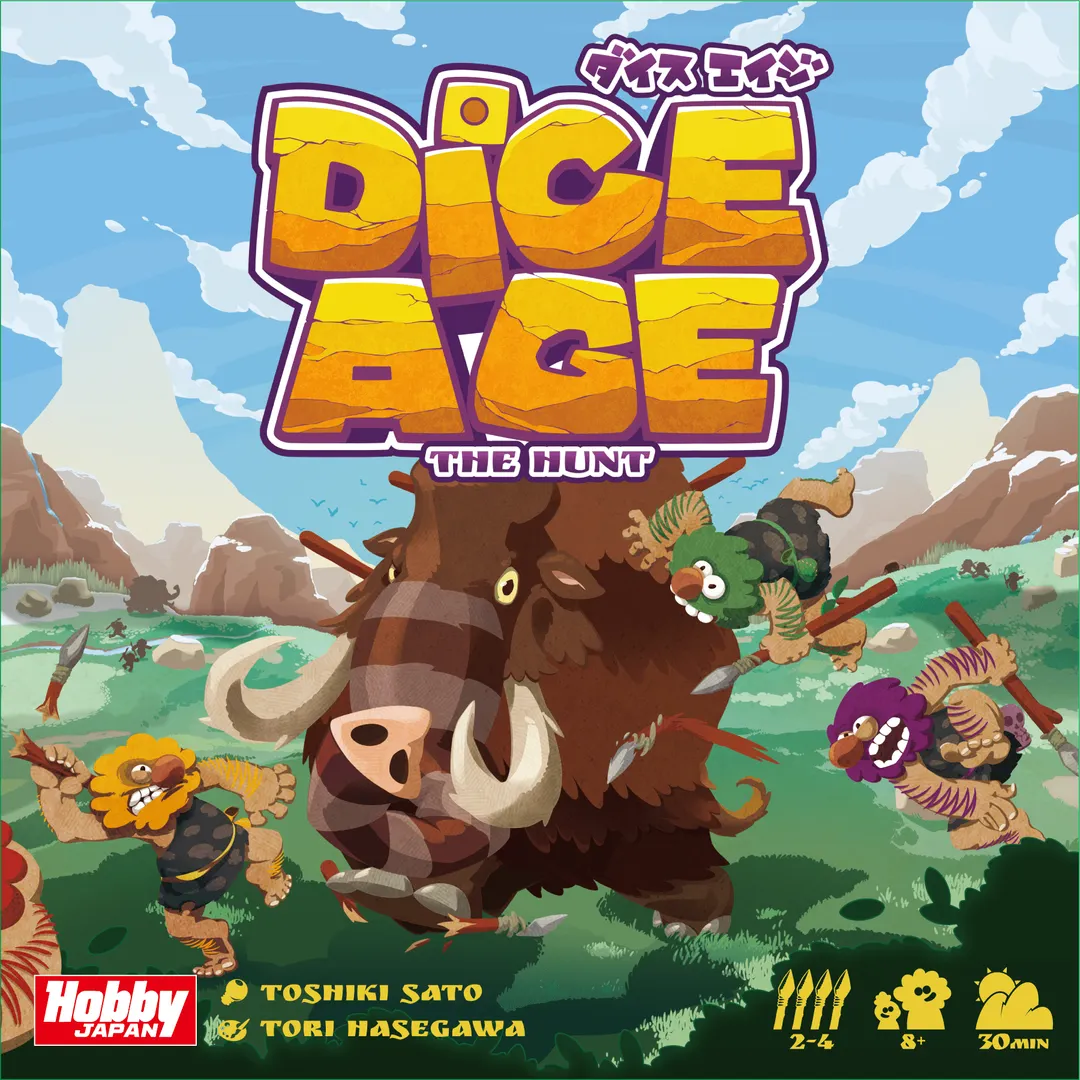
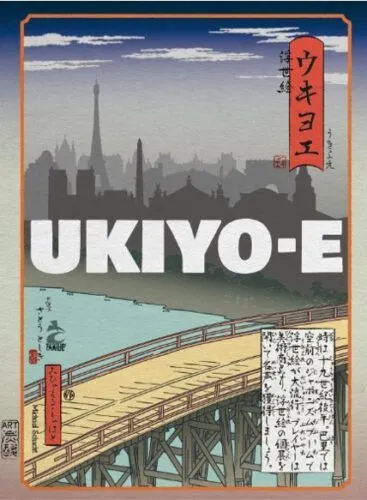
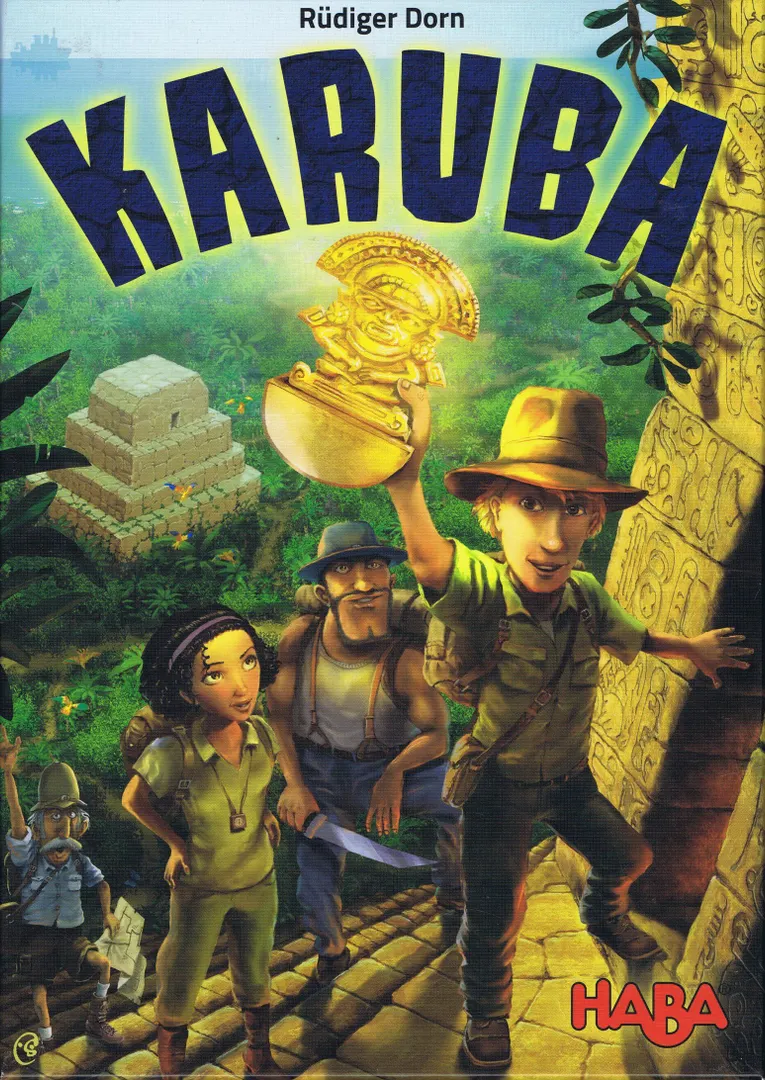
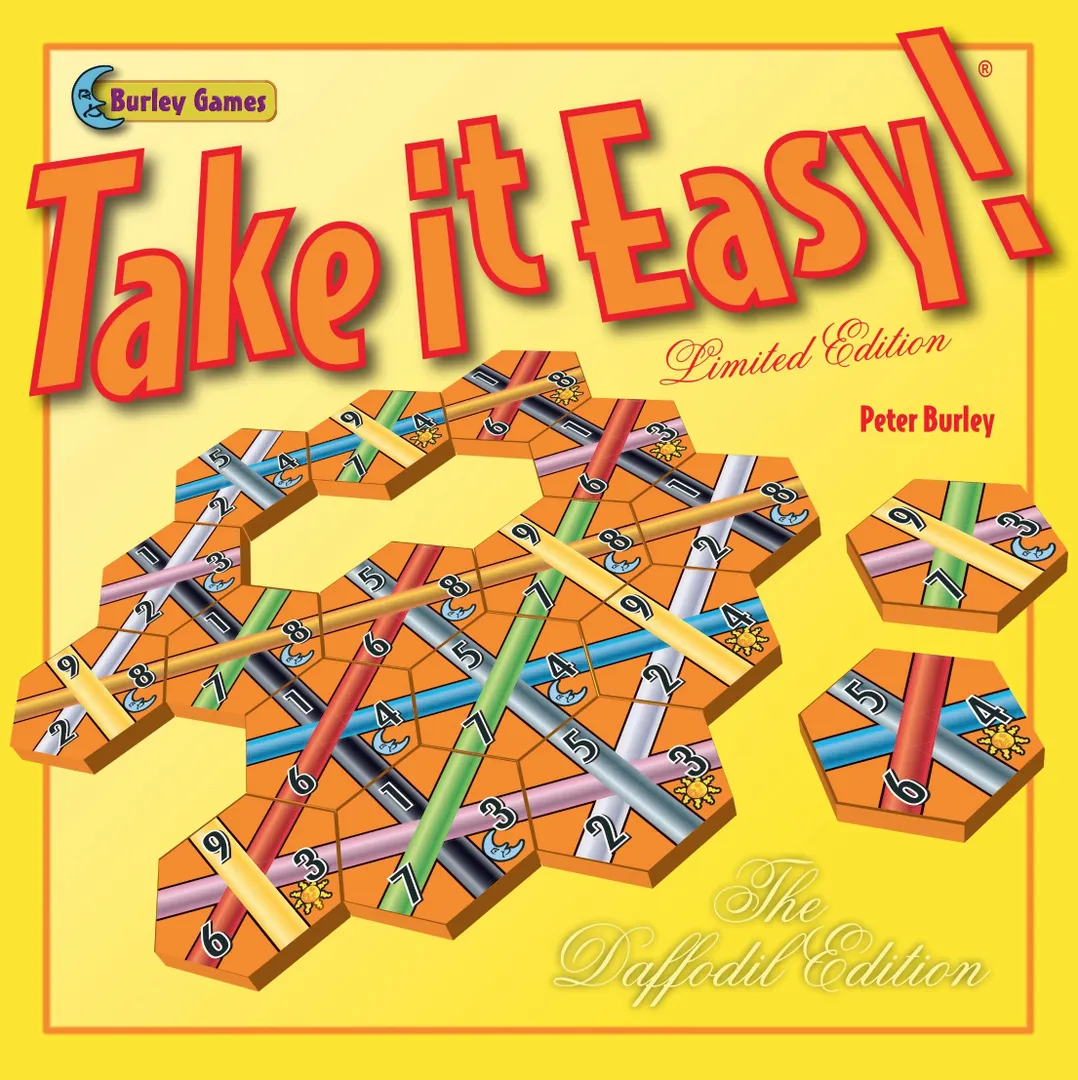


8bit MockUp (8ビットモックアップ) (later republished as Legendary Forests) is a multiplayer solitaire game akin to Take it Easy! or Karuba. Each player has an identical set of tiles and plays the same tile at the same time to their own tableau, but where each player places each tile may differ. In more detail, each player creates their own world by connecting the landscapes on their tiles. Each player starts the game with the same starting tile in play. One player, the "Leader", shuffles their tiles face down, then removes five tiles from play without looking at them. On a turn, the Leader reveals the next tile, calls out the number on it, then everyone places that same tile somewhere in their landscape, with the adjacent edges of each pair of tiles needing to match. When the Leader draws a tile with a red number, everyone places their piece, then starting with the player who holds the God piece (initially the Leader), everyone draws a monument tile from the center of the playing area and places it on an area in their landscape. Monuments come in three colors (while the landscapes have areas in four colors), and you use only two monuments of a color for each player in the game. After placing monuments, pass the God piece clockwise to the next player. The game ends after everyone has placed their twenty tiles, then players score points based on the areas where they have monuments. Each non-purple edge of a tile has a half-circle on it; when two such edges are placed together, the owner of those tiles has created a "cookie" in that area. To score, you look at each area where you have a monument. If you have no half-circles in this area — that is, the area is completely enclosed — then you score 2 points for each cookie in that area. If you have any unconnected half-circles in this area, you instead score 1 point per cookie. Whoever has the most points wins! The first edition of 8bit MockUp included tiles for 2-4 players, while the second edition included tiles for 2-5 players. You can have any number of players compete in the same game as long as you have enough sets. ••• プレイヤーは「神さまの見習い」となり、 神さまから提示される地形を上手に繋げて、神さまが気に入る国を作ります。 このゲームはタイル配置型のパズルライクなゲームです。 タイルの辺と辺の色が合致するように配置していき、20枚配置したらゲーム終了です。 ゲーム中に何度かモニュメントを建築するタイミングが現れます。 建築していた場所に応じて点数を獲得していきます。 複数セットのゲームをあわせることで最大何人でも遊べます。
Legendary Forests supports 2–5 players according to the catalogue. This range comes from the publisher’s listed player count, so the game can be set up for any group size within it. Some setups, rules and scoring details may still vary by player count, so check your edition’s rulebook for the exact configuration.
The listed playing time for Legendary Forests is 15–20 minutes. This is the publisher’s estimate for a full game. The actual duration depends on the group, the player count and familiarity with the rules: first sessions usually run longer, while experienced groups often finish faster. Setup and teaching time are not included in this estimate.
The catalogue lists Legendary Forests for ages 8 and up. This is the publisher’s recommendation and reflects reading demands, rule complexity and small components rather than theme alone. Younger players can often join with help from an adult, so check the age guidance on your edition and consider your group’s experience with board games.
Legendary Forests has a complexity rating of 1.2 out of 5 from BoardGameGeek players, which makes it a light game. The rating reflects how much rules knowledge, planning and decision-making a typical game demands. Expect a longer first teach for heavier games, and use a preparation guide before game night.
Legendary Forests belongs to these categories: Puzzle and Mythology. Its main mechanics are Tile Placement and Bingo. Categories describe the theme and setting of a game, while mechanics describe what players actually do on their turns. Each mechanic links to a catalogue hub with similar games, which helps when you want something comparable.
The credited designers of Legendary Forests are: Toshiki Sato. These credits come from the published game data and name the people responsible for the game’s design, not its illustrators or publishers. Designer pages on MeepleRules collect other titles by the same designers, which helps when you enjoy a game and want to find similar ones.
The catalogue lists Legendary Forests as a base game. It can be played on its own with the components in the box and does not require any other title. Expansions, if any exist, add new content or rules on top of it and are listed separately in the catalogue with a link back to this base game.