
- BGG rank
- BGG #3,469
- BGG rating
- 7.4
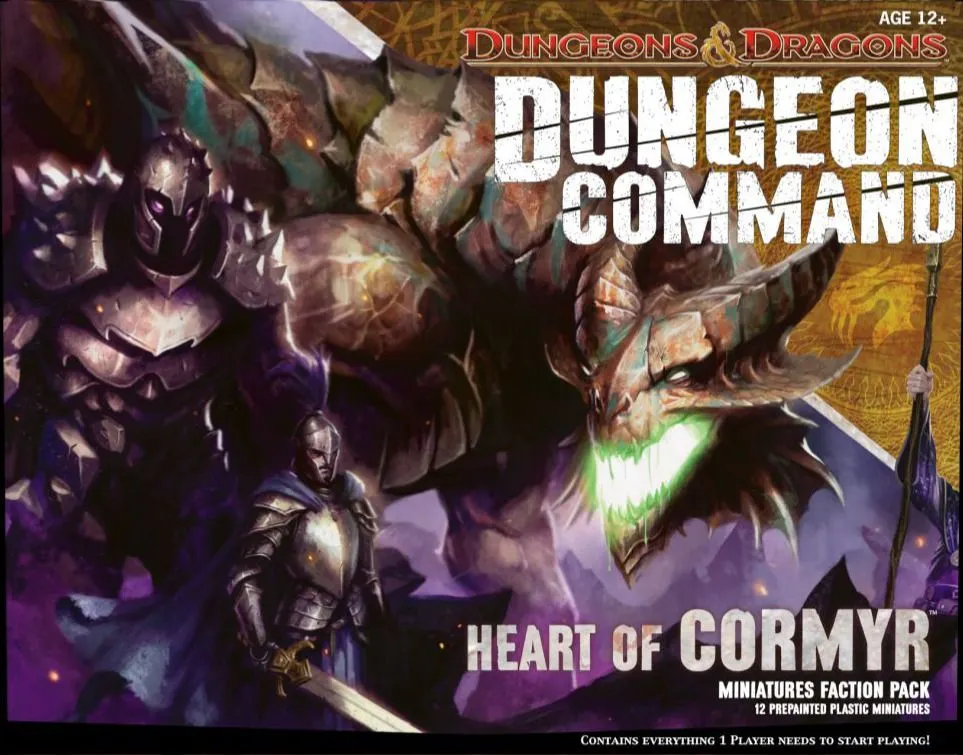
Dungeon Command: Heart of Cormyr
- 2 players
- 90 min
- Complexity 2.6/5
- 2012
Rules assistance for Lords of Waterdeep: Scoundrels of Skullport
Plain-language explanations of turns, card effects and disputed situations, with official source references and saved question history.
What would you like to know?
Answers come from the official rulebook, with the page to check.
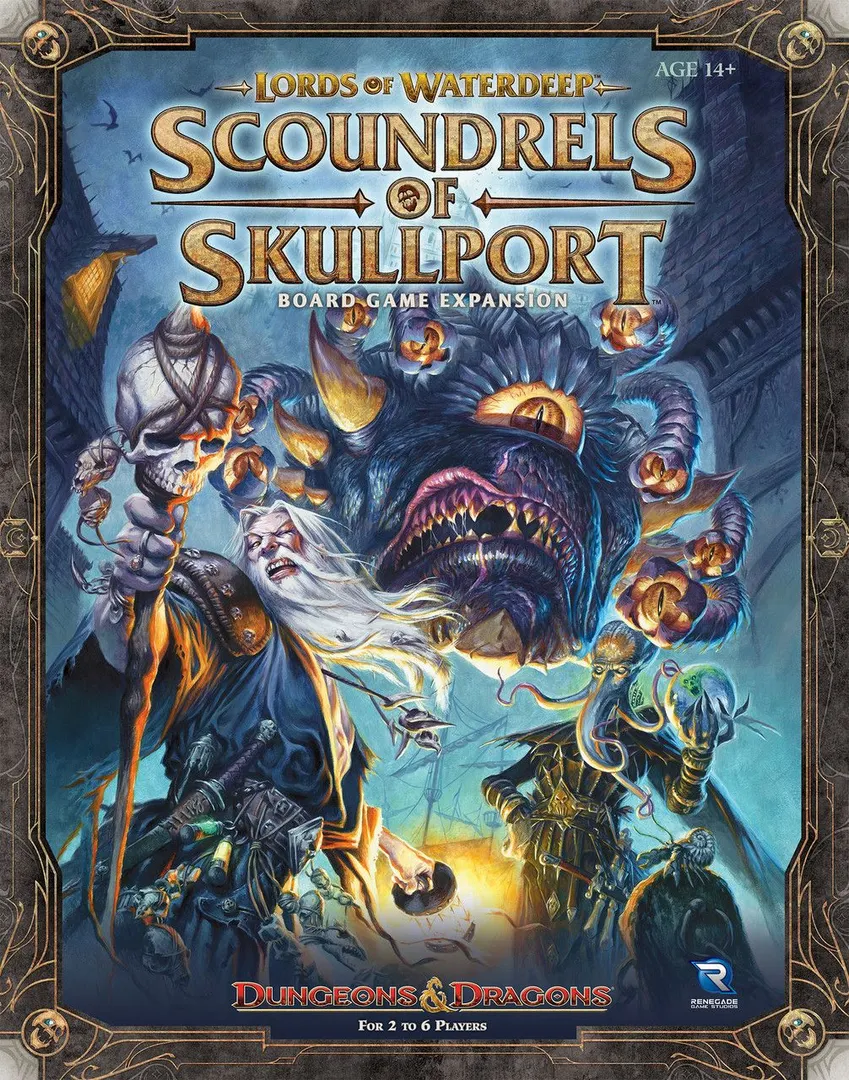
Lords of Waterdeep: Scoundrels of Skullport is an expansion for Lords of Waterdeep released in 2013 for 2–6 players, 60 minutes per game, and ages 12 and up. It was designed by Rodney Thompson, Peter Lee, and Chris Dupuis and its main mechanics are Set Collection, Commodity Speculation, and Open Drafting.




Scoundrels of Skullport adds new content for Lords of Waterdeep. It’s not one, but two, complete expansions: the sprawling dungeon of Undermountain and the criminal haven of Skullport. Each thrilling location has unique characteristics and offers new play options, including new Lords, Buildings, Intrigue, and Quest cards. Owners of Lords of Waterdeep can use one or both of these new subterranean locations to add depth to their game experience. There’s also a new faction, the Gray Hands, so now a sixth player can join in the fun! The Undermountain Module Undermountain is a vast and multileveled dungeon beneath Mount Waterdeep that once served the crazed wizard Halaster as a site for magical experiments. Now it is a labyrinthine maze with few refuges for weary adventurers. The rumored wealth of Undermountain entices adventurers to brave the mysteries and monsters beneath the City of Splendors. The risks and the rewards are greater for undertaking Quests that require more Gold and Adventurers. The Skullport Module Skullport—also known as the Port of Shadow—is nestled in the heart of Undermountain, deep below the streets of Waterdeep. It is a haven for nefarious crimes, underhanded deals, and back-alley murders. Those who visit Skullport do so at their own peril, for around every corner are new ways to make people disappear. The Skullport module includes a new resource: Corruption. Unlike Adventurers and Gold, having Corruption in your tavern penalizes you at the end of the game. Each Corruption token in your Tavern at the end of the game is worth negative Victory Points. The exact negative value depends on how much Corruption has been collected throughout the game; the more corrupt you and your fellow Lords are, the more Corruption hurts your score.
Lords of Waterdeep: Scoundrels of Skullport supports 2–6 players according to the catalogue. This range comes from the publisher’s listed player count, so the game can be set up for any group size within it. Some setups, rules and scoring details may still vary by player count, so check your edition’s rulebook for the exact configuration.
The listed playing time for Lords of Waterdeep: Scoundrels of Skullport is 60 minutes. This is the publisher’s estimate for a full game. The actual duration depends on the group, the player count and familiarity with the rules: first sessions usually run longer, while experienced groups often finish faster. Setup and teaching time are not included in this estimate.
The catalogue lists Lords of Waterdeep: Scoundrels of Skullport for ages 12 and up. This is the publisher’s recommendation and reflects reading demands, rule complexity and small components rather than theme alone. Younger players can often join with help from an adult, so check the age guidance on your edition and consider your group’s experience with board games.
Lords of Waterdeep: Scoundrels of Skullport has a complexity rating of 2.7 out of 5 from BoardGameGeek players, which makes it a medium-light game. The rating reflects how much rules knowledge, planning and decision-making a typical game demands. Expect a longer first teach for heavier games, and use a preparation guide before game night.
Lords of Waterdeep: Scoundrels of Skullport belongs to these categories: Fantasy, City Building, and Expansion for Base-game. Its main mechanics are Set Collection, Commodity Speculation, and Open Drafting. Categories describe the theme and setting of a game, while mechanics describe what players actually do on their turns. Each mechanic links to a catalogue hub with similar games, which helps when you want something comparable.
The credited designers of Lords of Waterdeep: Scoundrels of Skullport are: Rodney Thompson, Peter Lee, and Chris Dupuis. These credits come from the published game data and name the people responsible for the game’s design, not its illustrators or publishers. Designer pages on MeepleRules collect other titles by the same designers, which helps when you enjoy a game and want to find similar ones.
The catalogue lists Lords of Waterdeep: Scoundrels of Skullport as an expansion for Lords of Waterdeep. Expansions add new content, rules or scenarios to the base game and usually cannot be played on their own, so you need Lords of Waterdeep to use it. Check that your edition of Lords of Waterdeep is compatible, as some expansions were revised between editions.