
- BGG rank
- BGG #18,072
- BGG rating
- 7.4
Nomad
- 2–4 players
- 60 min
- Complexity 2.3/5
- 2023
2022
Rules assistance for Monopolis
Plain-language explanations of turns, card effects and disputed situations, with official source references and saved question history.
What would you like to know?
Answers come from the official rulebook, with the page to check.
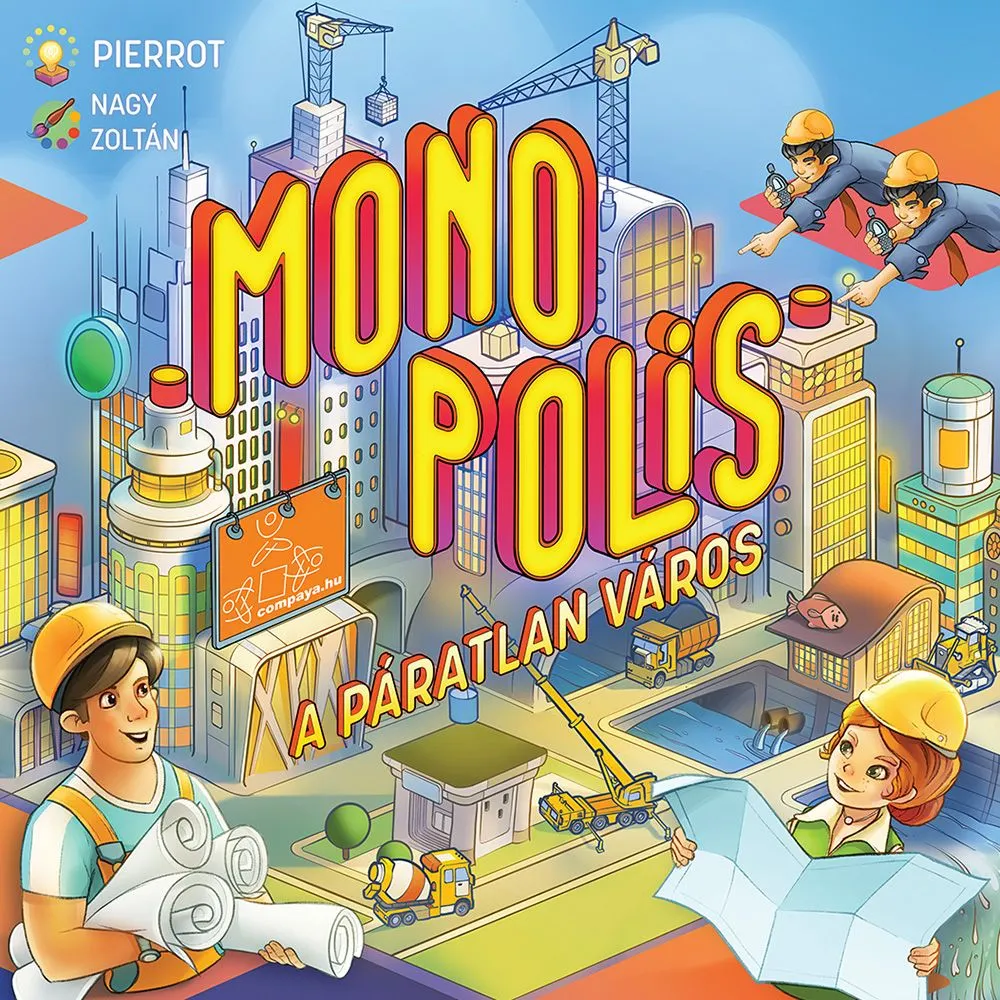
Monopolis is a board game released in 2022 for 2–4 players, 60 minutes per game, and ages 8 and up. It was designed by Pierrot and its main mechanics are Set Collection, Tile Placement, and Square Grid.

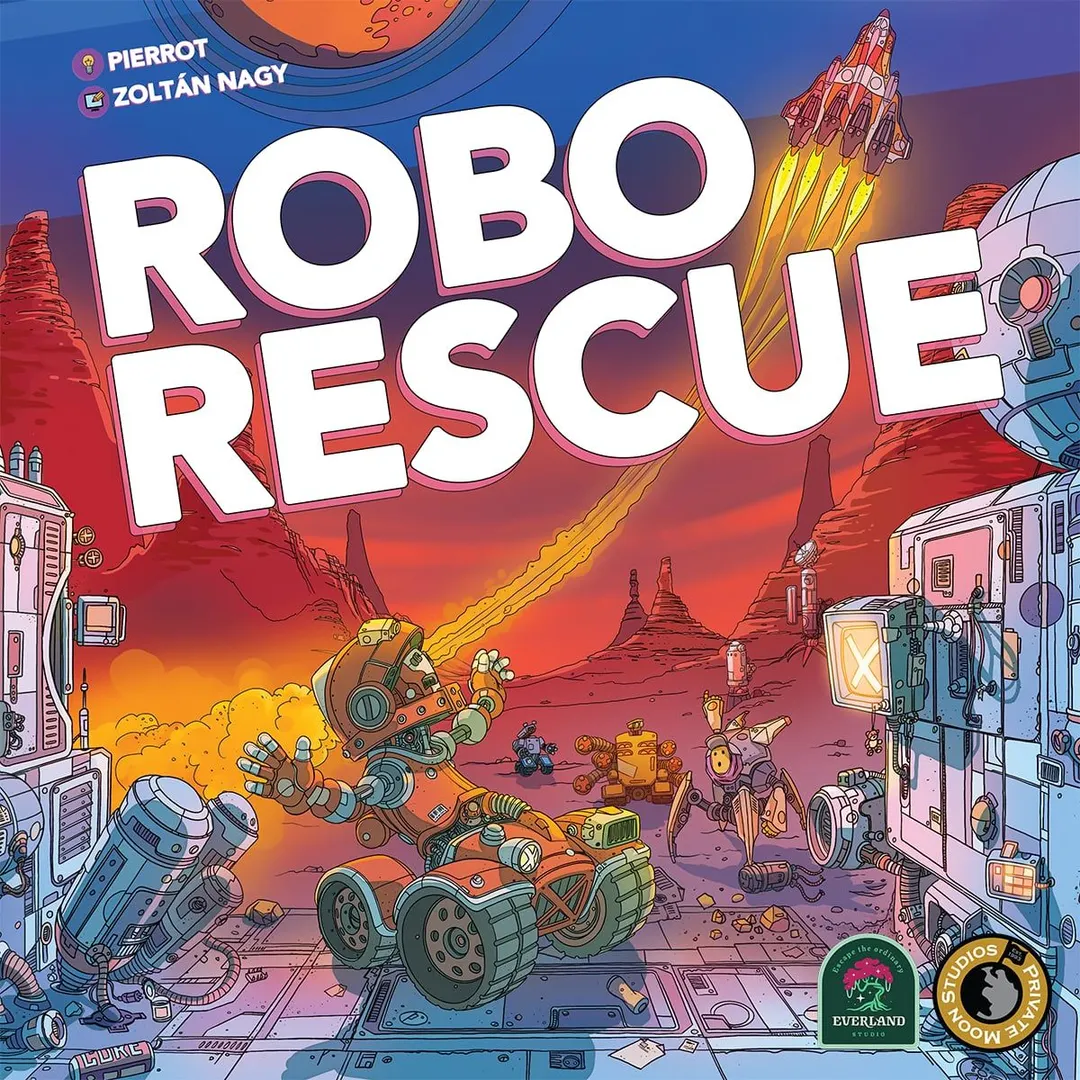




In this light family game 2-4 players develop the same city. Monopolis grows by adding new building tiles, which players mark with their small houses to indicate ownership. The bigger the city, the more prestige points it can provide. Players have two optional actions in a turn: to buy resources on the market and to expand Monopolis by adding a new building tile. They can do both in any order, or the same action twice. There are specific resource requirements for inserting a new building tile. These are shown on collectible demand tokens of various colors, placed randomly to the edges of the tiles already on the board. Players can build a desired building by spending the necessary resources and placing their house on the new tile. The houses are stored on their personal board, and when removed, immediate bonuses become available. There are 5 types of building tiles, some cheaper, others more expensive to build, and the benefits and victory points they provide differ accordingly. Residential areas and parks are the easiest to implement, while business districts will have a positive impact on the value of adjacent areas and vice versa. Public functions require higher investment but they give bonuses and other benefits, and some institutions provide more prestige points. The city of Monopolis spans an area of up to 7x7 tiles. The game ends with the round when one of the players runs out of houses. The end-game scores are based on the values of the tiles built and the sets of icons collected, but additional points can be earned in a number of ways. —description from the publisher (translated) Könnyed, családi játék, amelyben 2-4 játékos egyetlen közös várost épít – presztízspontokért versenyezve. A település egyre több, saját házzal megjelölt építménylapkával bővül, és minél nagyobb a város, annál több pontszerzési lehetőséget kínál. A játékos a saját körében két lehetőség közül választhat – és ezeket bármilyen sorrendben, vagy akár csak az egyiket kétszer is elvégezheti: vagy a piacon vásárol alapanyagokat, vagy lehelyez egy építményt. Az egyes új építmény típusoknak konkrét nyersanyagigénye van, mely a már lerakott építmények köré véletlenszerűen elhelyezett, gyűjthető igénylapkákon láthatók. Ezeket a feltételeket kell teljesítenie a játékosnak a saját készleteiből ahhoz, hogy a kívánt építménylapkát a táblára helyezze, és saját házacskájával megjelölje. A házakat a játékostábláról veszi le, és alattuk azonnali bónuszok tárulnak fel. Ötféle építménytípus található a játékban, némelyiket olcsóbban, másokat drágábban lehet megépíteni, az általuk nyújtott előnyök és győzelmi pontok ennek tükrében változnak. A lakónegyedek és a parkok a legkedvezőbb áron építhetők, az üzletközpontok pozitív hatással vannak a szomszédos területekre, és viszont. A funkcionális negyedek nagyobb beruházást jelentenek, de azonnali előnyöket is nyújtanak, egyéb intézmények pedig a legnagyobb presztízsértékkel rendelkeznek. Monopolis városa egy 7×7 mezőből álló terepen épül, a játék végét pedig az jelenti, ha elfogy valakinél az összes házjelölő. A játékvégi pontszám elsősorban a lerakott építménylapkák értékéből és emblémák készletezéséből adódik, de számos más módon is szerezhetnek pontokat a játékosok. —description from the publisher
Monopolis supports 2–4 players according to the catalogue. This range comes from the publisher’s listed player count, so the game can be set up for any group size within it. Some setups, rules and scoring details may still vary by player count, so check your edition’s rulebook for the exact configuration.
The listed playing time for Monopolis is 60 minutes. This is the publisher’s estimate for a full game. The actual duration depends on the group, the player count and familiarity with the rules: first sessions usually run longer, while experienced groups often finish faster. Setup and teaching time are not included in this estimate.
The catalogue lists Monopolis for ages 8 and up. This is the publisher’s recommendation and reflects reading demands, rule complexity and small components rather than theme alone. Younger players can often join with help from an adult, so check the age guidance on your edition and consider your group’s experience with board games.
Monopolis has a complexity rating of 2.0 out of 5 from BoardGameGeek players, which makes it a medium-light game. The rating reflects how much rules knowledge, planning and decision-making a typical game demands. Expect a longer first teach for heavier games, and use a preparation guide before game night.
Monopolis belongs to these categories: City Building. Its main mechanics are Set Collection, Tile Placement, and Square Grid. Categories describe the theme and setting of a game, while mechanics describe what players actually do on their turns. Each mechanic links to a catalogue hub with similar games, which helps when you want something comparable.
The credited designers of Monopolis are: Pierrot. These credits come from the published game data and name the people responsible for the game’s design, not its illustrators or publishers. Designer pages on MeepleRules collect other titles by the same designers, which helps when you enjoy a game and want to find similar ones.
The catalogue lists Monopolis as a base game. It can be played on its own with the components in the box and does not require any other title. Expansions, if any exist, add new content or rules on top of it and are listed separately in the catalogue with a link back to this base game.