

- BGG rank
- BGG #28,367
- BGG rating
- 4.9
Investor
- 2–6 players
- 90 min
- Complexity 2.0/5

2009
Rules assistance for Monopoly City
Plain-language explanations of turns, card effects and disputed situations, with official source references and saved question history.
What would you like to know?
Answers come from the official rulebook, with the page to check.
Monopoly City is a board game released in 2009 for 2–6 players, 75 minutes per game, and ages 8 and up. Its main mechanics are Set Collection, Trading, and Auction / Bidding.
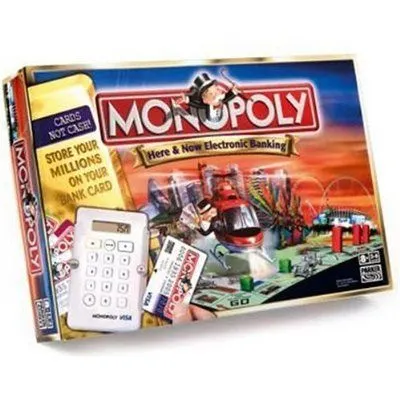
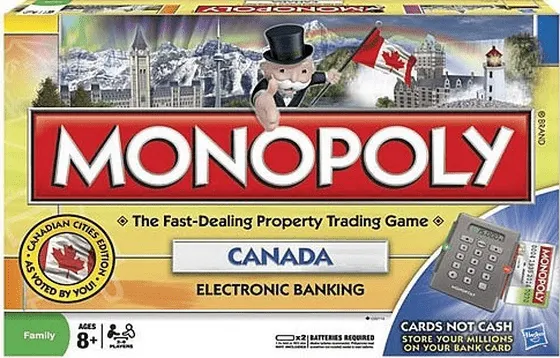


At first you think you are playing good old Monopoly where they just add some extra buildings to give a little twist. But the longer you play, the more you realise they actually made a whole new game. You start with more money than usual, which gives you the idea you will last longer (with a bit of luck maybe). The fact that now you can build right away when you bought a property, gives so much dynamic to the game. No more waiting until you have the whole set, or not having the set because one player refuses to trade. Even with a couple of single properties you can win the game. But not so fast. Everybody wants to win of course. And with the 80 extra buildings they added to the game, nothing was ever so uncertain. On every property you can build residential or industrial buildings. The first is not protected against negative buildings (hazards) and requires positive buildings otherwise the property becomes worthless. The industrial buildings on the other hand are protected but they cost twice as much! So you will have to make choice. And the added electronic device will, besides timing deals, always indicate how many buildings you can exactly make. There is also no community chest anymore, only chance. But they have changed the content of the cards which makes the game less predictable and more fun to play- watch your buildings being crushed because of an earthquake or not getting your rent because a player evades the number thrown with the dice. Besides these changes, there are many more twists to the game which I will not reveal here but be sure that they all add to the greatness that once was and that now has even become better. Monopoly City made its first public appearance at the Nuremberg Toy Fair 2009.
Monopoly City supports 2–6 players according to the catalogue. This range comes from the publisher’s listed player count, so the game can be set up for any group size within it. Some setups, rules and scoring details may still vary by player count, so check your edition’s rulebook for the exact configuration.
The listed playing time for Monopoly City is 75 minutes. This is the publisher’s estimate for a full game. The actual duration depends on the group, the player count and familiarity with the rules: first sessions usually run longer, while experienced groups often finish faster. Setup and teaching time are not included in this estimate.
The catalogue lists Monopoly City for ages 8 and up. This is the publisher’s recommendation and reflects reading demands, rule complexity and small components rather than theme alone. Younger players can often join with help from an adult, so check the age guidance on your edition and consider your group’s experience with board games.
Monopoly City has a complexity rating of 2.1 out of 5 from BoardGameGeek players, which makes it a medium-light game. The rating reflects how much rules knowledge, planning and decision-making a typical game demands. Expect a longer first teach for heavier games, and use a preparation guide before game night.
Monopoly City belongs to these categories: Economic, Electronic, and Negotiation. Its main mechanics are Set Collection, Trading, and Auction / Bidding. Categories describe the theme and setting of a game, while mechanics describe what players actually do on their turns. Each mechanic links to a catalogue hub with similar games, which helps when you want something comparable.
The catalogue lists Monopoly City as a base game. It can be played on its own with the components in the box and does not require any other title. Expansions, if any exist, add new content or rules on top of it and are listed separately in the catalogue with a link back to this base game.