

- BGG rank
- BGG #15,762
- BGG rating
- 7.4
The Rhineland War, 1936-37
- 1–2 players
- 240 min
- Complexity 3.2/5
- 2011
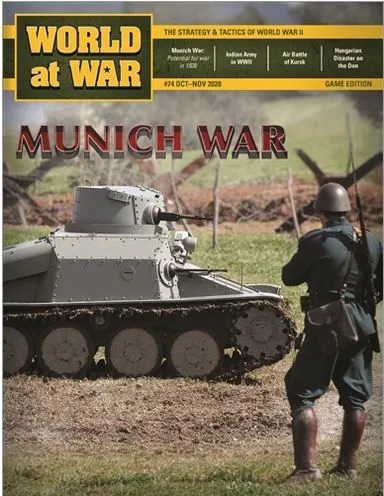
2020
Rules assistance for Munich War: World War II in Europe 1938
Plain-language explanations of turns, card effects and disputed situations, with official source references and saved question history.
What would you like to know?
Answers come from the official rulebook, with the page to check.
Munich War: World War II in Europe 1938 is a board game released in 2020 for 1–2 players. It was designed by Joseph Miranda and its main mechanics are Hexagon Grid.
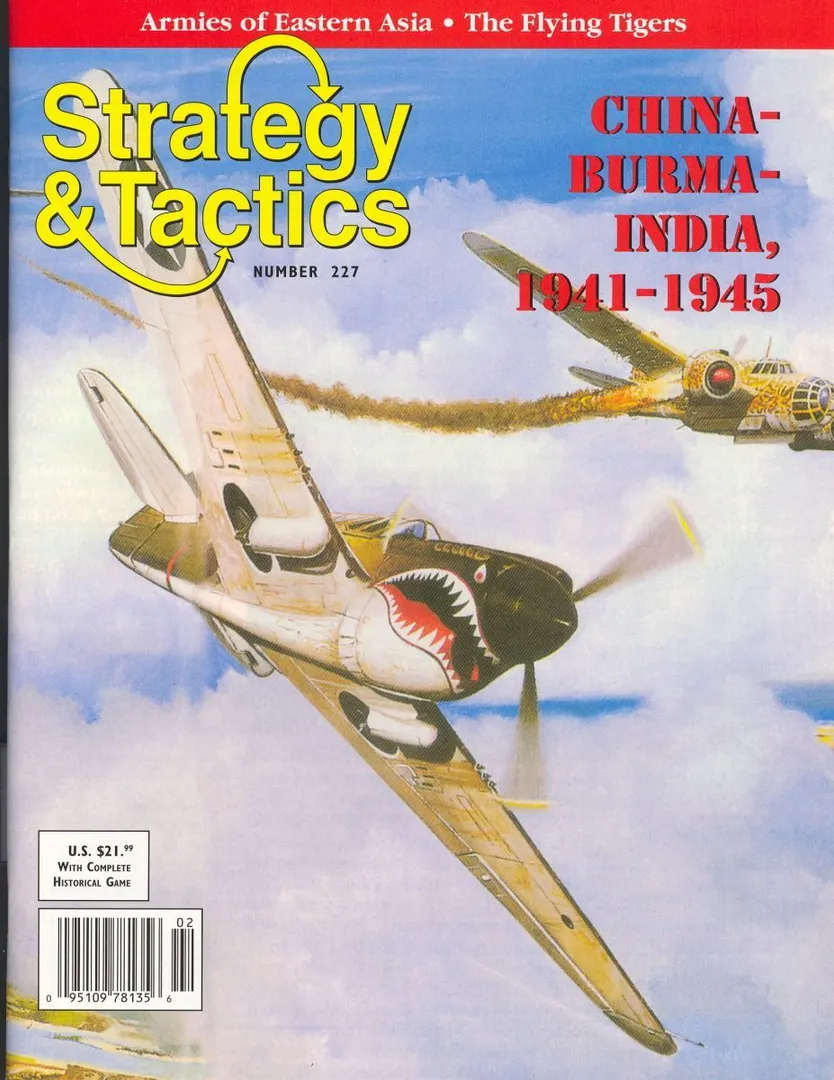




Munich War: World War II in Europe 1938 is a two-player game. One player commands the Axis, controlling Germany and the countries aligned with Berlin. The other is the Allied player, who controls the anti-German forces. It is an operational level simulation of a hypothetical World War II in Europe that began in the fall of 1938. The assumption is that the British and French governments did not back down at the September 1938 Munich conference when Hitler demanded the Sudetenland from Czechoslovakia and instead went to war with the Third Reich. The ensuing conflict finds the powers partially prepared for war. In Munich War, alliances are determined at the start of the game, representing the wider political-military situation. Each turns represents one week of operations. The game covers the first two months of the war, since beyond that time the onset of winter and logistical shortages would have brought an end to operations. The objective is for each alliance to seize a position from which it can then dominate Europe in the ensuing war. Each hex on the map represents 65 kilometers or 40 miles from side to opposite side. Units are at the corps and army level. —description from the publisher Published in World at War magazine Nr.74 (Oct-Nov 2020)
Munich War: World War II in Europe 1938 supports 1–2 players according to the catalogue. This range comes from the publisher’s listed player count, so the game can be set up for any group size within it. Some setups, rules and scoring details may still vary by player count, so check your edition’s rulebook for the exact configuration.
Munich War: World War II in Europe 1938 has a complexity rating of 2.3 out of 5 from BoardGameGeek players, which makes it a medium-light game. The rating reflects how much rules knowledge, planning and decision-making a typical game demands. Expect a longer first teach for heavier games, and use a preparation guide before game night.
Munich War: World War II in Europe 1938 belongs to these categories: Wargame and World War II. Its main mechanics are Hexagon Grid. Categories describe the theme and setting of a game, while mechanics describe what players actually do on their turns. Each mechanic links to a catalogue hub with similar games, which helps when you want something comparable.
The credited designers of Munich War: World War II in Europe 1938 are: Joseph Miranda. These credits come from the published game data and name the people responsible for the game’s design, not its illustrators or publishers. Designer pages on MeepleRules collect other titles by the same designers, which helps when you enjoy a game and want to find similar ones.
The catalogue lists Munich War: World War II in Europe 1938 as a base game. It can be played on its own with the components in the box and does not require any other title. Expansions, if any exist, add new content or rules on top of it and are listed separately in the catalogue with a link back to this base game.