- BGG rating
- 9.0
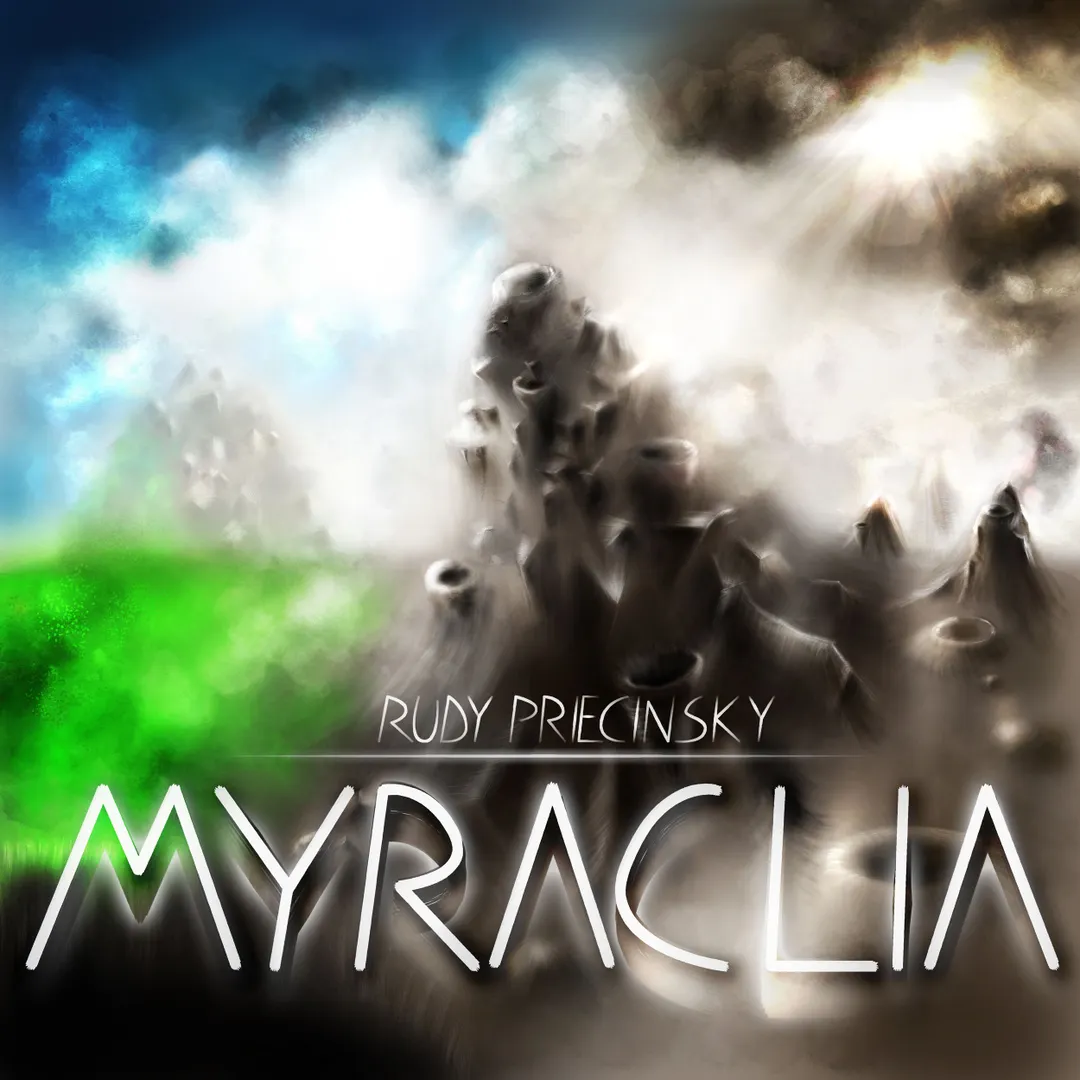
Myraclia: Darkness
- 2–5 players
- 45–55 min
- 2020
2020
Rules assistance for Myraclia
Plain-language explanations of turns, card effects and disputed situations, with official source references and saved question history.
For 2 players
What would you like to know?
Answers come from the official rulebook, with the page to check.
Myraclia is a board game released in 2020 for 2–5 players, 45–55 minutes per game, and ages 10 and up. It was designed by Rudy Priecinsky and its main mechanics are Set Collection, Area Majority / Influence, and Tile Placement.


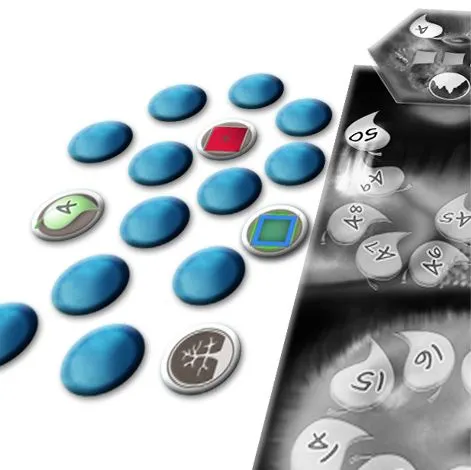
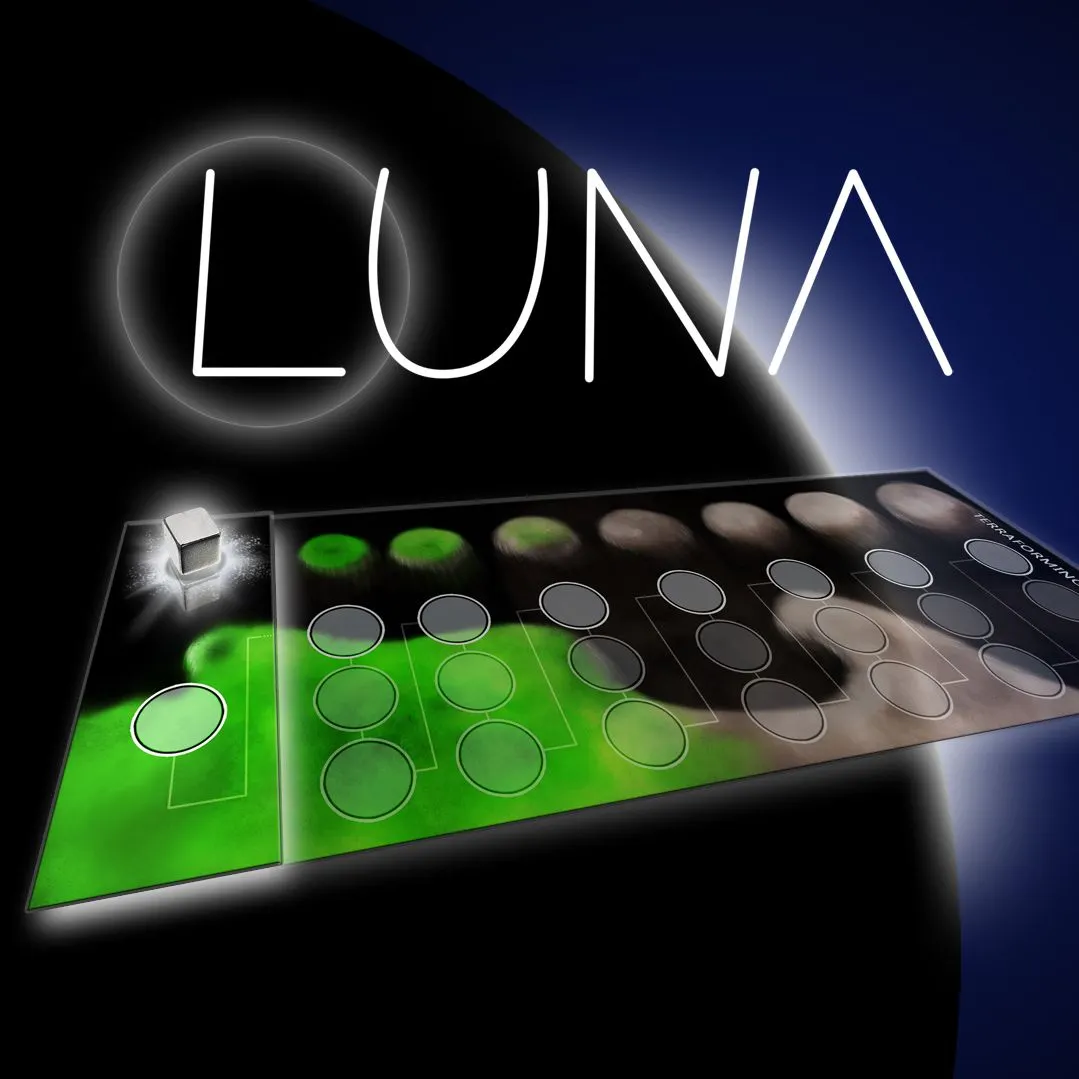
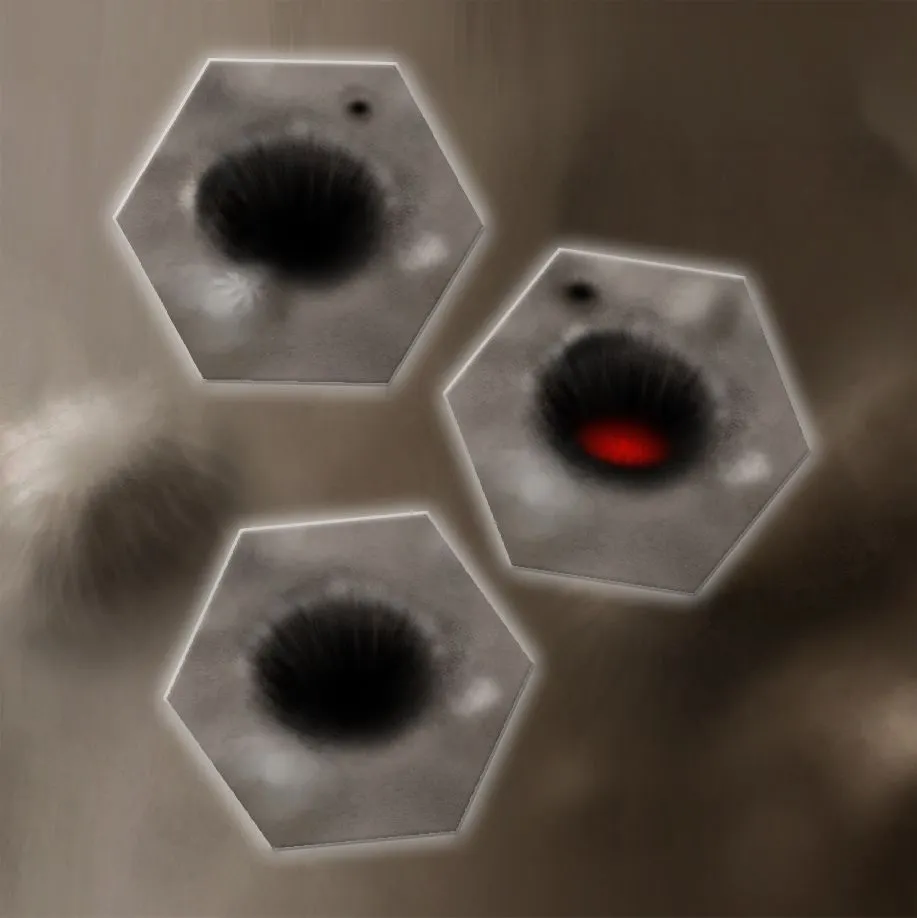
Created with love for openness and simplicity going along with a strong theme... Myraclia is a strategy game to be enjoyed on many occasions with many different people... Rudy Priecinsky, Designer of Myraclia - - - Planet Myraclia. Deserted and inhospitable. Wildly controlled by the elements. Life has no place here... But you came! With your divine powers. You know, or more precisely, you want to turn Myraclia...to a dreamed planet full of life. The task is not easy. You have to subdue chaotic elements of nature, organize them, establish order, to give life a chance... But you are not alone. Others want to turn Myraclia into their picture. Resources and time are limited. If you want to think of Myraclia as your creation, you have to fight with others ruthlessly for resources, but the form of Myraclia as well. Your goals are noble. But are your motives? - - - THE PRINCIPLE OF THE GAME In the game, you compete with other players for the title of The Creator of Myraclia. You are trying to get limited and chaotically emerging elements and sources of life. These are represented by glittering cubes in 7 colors in uneven numbers. You have to get them, organize them correctly, possibly replace them with the other player's elements, and ..... a miracle! The desolate and inhospitable part of Myraclia changes into a beautiful cradle of life. The Myraclia surface is divided into hexagonal tiles. One side of the tile represents the original look of Myraclia, before the transformation, without life, the other side of the terraformed appearance, the new beautiful face of Myraclia full of greenery. There are 4 types of surfaces, namely plains, forests, water areas, and mountains. The game takes place in rounds, divided into two basic phases. In the first – drafting phase – players alternate in the specified order and select one element (cube) from the drafting board to help them transform (re-shape) a part of the planet in the next phase. But remember. Not the same resources are available in each round. Those elements, which were abundant in the last round and nobody wanted them, can now be scarce and desirable. And vice versa. The price for gaining a rare element is great. Speed - and sometimes greed – during elements selection determine the player order for an important second phase. In the second phase - the terraformation - the players, according to the order set in the first phase, turn the individual deserted parts of the planet into Myraclia full of life. They discard the elements displayed on the Myraclia tile and turn it to a terraformed side. In most parts, they instantly earn points and/or a bonus in the form of the free released element. A released element can be used immediately. Order is key, but the first position does not necessarily mean an absolute advantage. If you were greedy in the first phase or you have chosen the wrong combination of elements, other players in turn could exchange their elements for your unused elements. The reward for the conversion of Myraclia is, in addition to the points, also the right to reveal new parts of the planet (by choosing new Myraclia tiles from the offer). The game ends in a round in which any player has terraformed 7 parts of Myraclia planet or if a certain part of the planet has been terraformed (i.e. it is not possible to replenish the offer of Myraclia tiles). Until the last moment, you cannot be sure who gets the title of The Creator of Myraclia. At final scoring, players are rewarded by the final look of the planet Myraclia and receive a bonus for the most consecutive terraformed area of the planet, for the variety of the terraformed surface, but also for the size of individual types of surfaces terraformed by the player. Your reward is a brand new Myraclia, beautiful, full of life. And also the feeling that you have contributed to it ..... the most.
Myraclia supports 2–5 players according to the catalogue. This range comes from the publisher’s listed player count, so the game can be set up for any group size within it. Some setups, rules and scoring details may still vary by player count, so check your edition’s rulebook for the exact configuration.
The listed playing time for Myraclia is 45–55 minutes. This is the publisher’s estimate for a full game. The actual duration depends on the group, the player count and familiarity with the rules: first sessions usually run longer, while experienced groups often finish faster. Setup and teaching time are not included in this estimate.
The catalogue lists Myraclia for ages 10 and up. This is the publisher’s recommendation and reflects reading demands, rule complexity and small components rather than theme alone. Younger players can often join with help from an adult, so check the age guidance on your edition and consider your group’s experience with board games.
Myraclia has a complexity rating of 2.3 out of 5 from BoardGameGeek players, which makes it a medium-light game. The rating reflects how much rules knowledge, planning and decision-making a typical game demands. Expect a longer first teach for heavier games, and use a preparation guide before game night.
Myraclia belongs to these categories: Fantasy, Territory Building, and Space Exploration. Its main mechanics are Set Collection, Area Majority / Influence, and Tile Placement. Categories describe the theme and setting of a game, while mechanics describe what players actually do on their turns. Each mechanic links to a catalogue hub with similar games, which helps when you want something comparable.
The credited designers of Myraclia are: Rudy Priecinsky. These credits come from the published game data and name the people responsible for the game’s design, not its illustrators or publishers. Designer pages on MeepleRules collect other titles by the same designers, which helps when you enjoy a game and want to find similar ones.
The catalogue lists Myraclia as a base game. It can be played on its own with the components in the box and does not require any other title. Expansions, if any exist, add new content or rules on top of it and are listed separately in the catalogue with a link back to this base game.