
- BGG rating
- 8.3
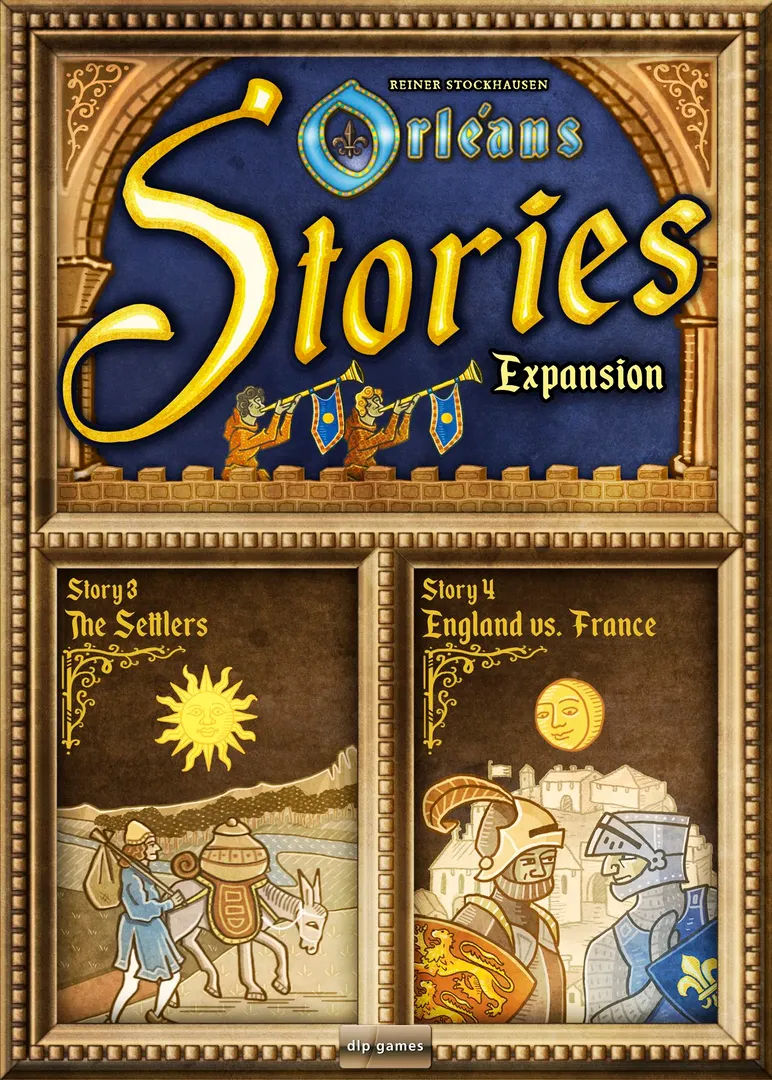
Orléans Stories: Expansion – Stories 3 & 4
- 2–4 players
- 60–120 min
- Complexity 3.0/5
- 2020
2019
Rules assistance for Orléans Stories
Plain-language explanations of turns, card effects and disputed situations, with official source references and saved question history.
For 2 players
What would you like to know?
Answers come from the official rulebook, with the page to check.
Orléans Stories is a board game released in 2019 for 2–4 players, 60–180 minutes per game, and ages 12 and up. It was designed by Reiner Stockhausen and its main mechanics are Take That, Player Elimination, and Deck, Bag, and Pool Building.
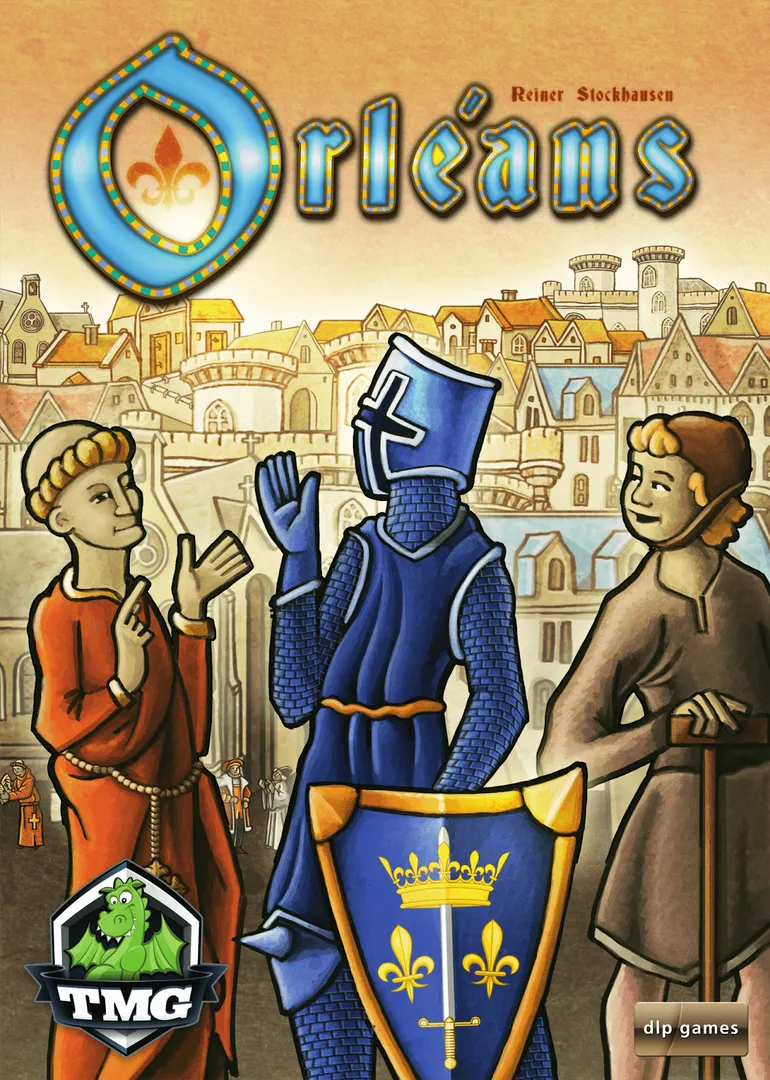
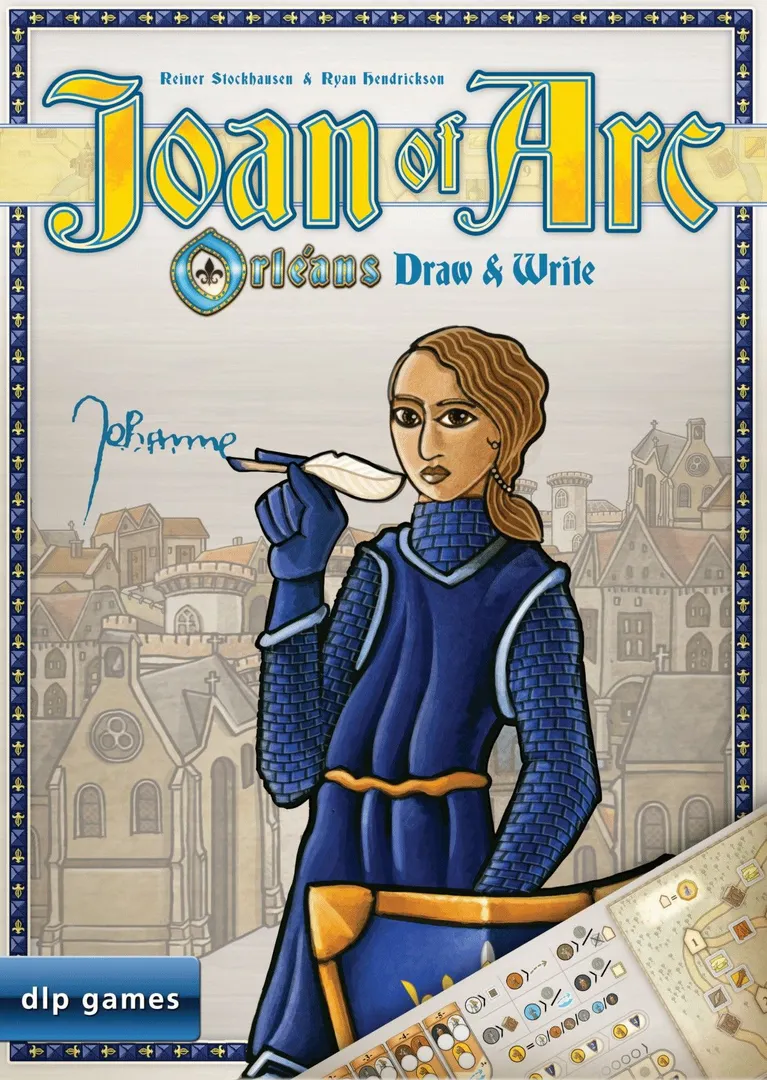
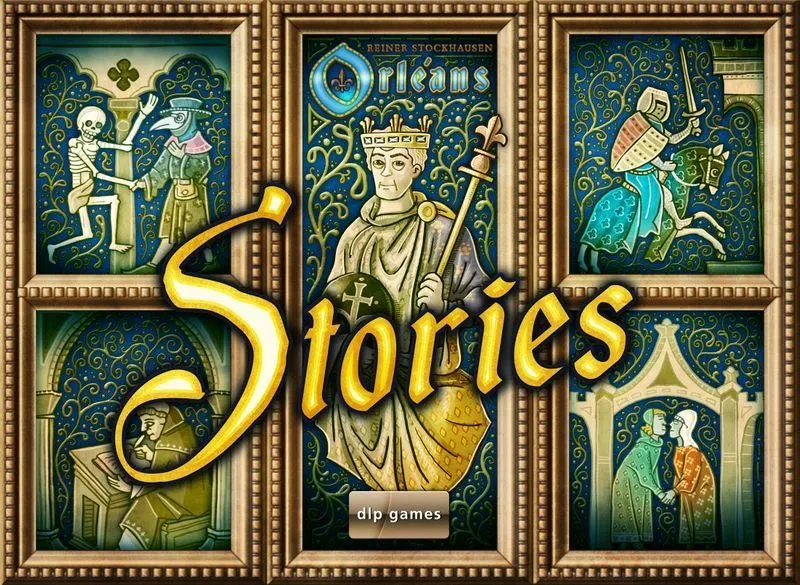
Orléans Stories is based on the bag-building mechanism known from Orléans, with this mechanisms having been further developed into a storytelling experience in which players go through different eras and face different challenges. Broadly speaking, instead of focusing on the city of Orléans and trade with the surrounding villages, player are now settling the Loire Valley. Players must farm and produce, found villages, and build fortresses and churches. They will experience times of prosperity and success, but also times of deprivation; they must defy hunger and plague, fight for their land, and perhaps conquer foreign lands to secure the lives of their settlers. In the end, however, there is peace and the joint administration of territories and villages. The game includes two stories: "The First Kingdom" and "The King's Favor". "The First Kingdom" is an epic story that spans eight so-called eras, and each era features different conditions and emphases. Sometimes knights settle down, with whose help you can conquer foreign territories, sometimes the plague threatens to decimate the population of settlers unless all have worked together to develop medicine. "The King's Favor" is shorter, simpler, and more suitable as an introduction to the game. Over five eras, certain tasks have to be fulfilled by the end of each era, and those who fail to do so will drop out mercilessly. The threat of having to end the game prematurely provides a constant thrill, but all tasks are achievable, so that (usually) all players experience the end of the fifth era — but those who have concentrated only on the tasks will be punished because at this point everyone's achievements will be compared in the king's castle, and you will receive victory points for territory size, buildings, goods, and coins. The different eras affect the parameters of play as well as the rules of the game, creating new strategic possibilities. This challenges players to constantly adapt to current conditions, giving you the impression of experiencing a story, but unlike in legacy games, these stories can be repeated as often as you like. The changes from era to era require a new way of looking at things from a distance, but this is made easier for players by a story booklet in which players will find not only all relevant information and rule peculiarities, but also hints of how to prepare for the upcoming game in the form of a narrated story. —description from the publisher
Orléans Stories supports 2–4 players according to the catalogue. This range comes from the publisher’s listed player count, so the game can be set up for any group size within it. Some setups, rules and scoring details may still vary by player count, so check your edition’s rulebook for the exact configuration.
The listed playing time for Orléans Stories is 60–180 minutes. This is the publisher’s estimate for a full game. The actual duration depends on the group, the player count and familiarity with the rules: first sessions usually run longer, while experienced groups often finish faster. Setup and teaching time are not included in this estimate.
The catalogue lists Orléans Stories for ages 12 and up. This is the publisher’s recommendation and reflects reading demands, rule complexity and small components rather than theme alone. Younger players can often join with help from an adult, so check the age guidance on your edition and consider your group’s experience with board games.
Orléans Stories has a complexity rating of 3.9 out of 5 from BoardGameGeek players, which makes it a heavy game. The rating reflects how much rules knowledge, planning and decision-making a typical game demands. Expect a longer first teach for heavier games, and use a preparation guide before game night.
Orléans Stories belongs to these categories: Medieval. Its main mechanics are Take That, Player Elimination, and Deck, Bag, and Pool Building. Categories describe the theme and setting of a game, while mechanics describe what players actually do on their turns. Each mechanic links to a catalogue hub with similar games, which helps when you want something comparable.
The credited designers of Orléans Stories are: Reiner Stockhausen. These credits come from the published game data and name the people responsible for the game’s design, not its illustrators or publishers. Designer pages on MeepleRules collect other titles by the same designers, which helps when you enjoy a game and want to find similar ones.
The catalogue lists Orléans Stories as a base game. It can be played on its own with the components in the box and does not require any other title. Expansions, if any exist, add new content or rules on top of it and are listed separately in the catalogue with a link back to this base game.