
- BGG rank
- BGG #26,322
- BGG rating
- 5.9
Шестерёнки (Gears)
- 2–4 players
- 20–40 min
- Complexity 1.6/5
- 2025
2025
Rules assistance for Outremer
Plain-language explanations of turns, card effects and disputed situations, with official source references and saved question history.
For 2 players
What would you like to know?
Answers come from the official rulebook, with the page to check.
Outremer is a board game released in 2025 for 2–4 players, 120–180 minutes per game, and ages 12 and up. It was designed by Michail Alexandrov, Stanislav Krasnov, and Olga Ilchenko and its main mechanics are Variable Player Powers, Area Majority / Influence, and Events.
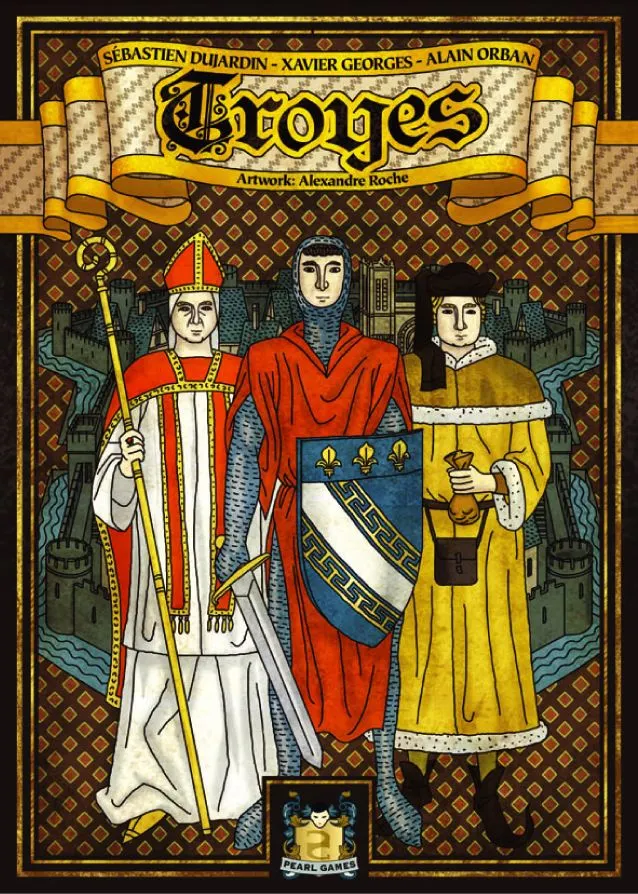


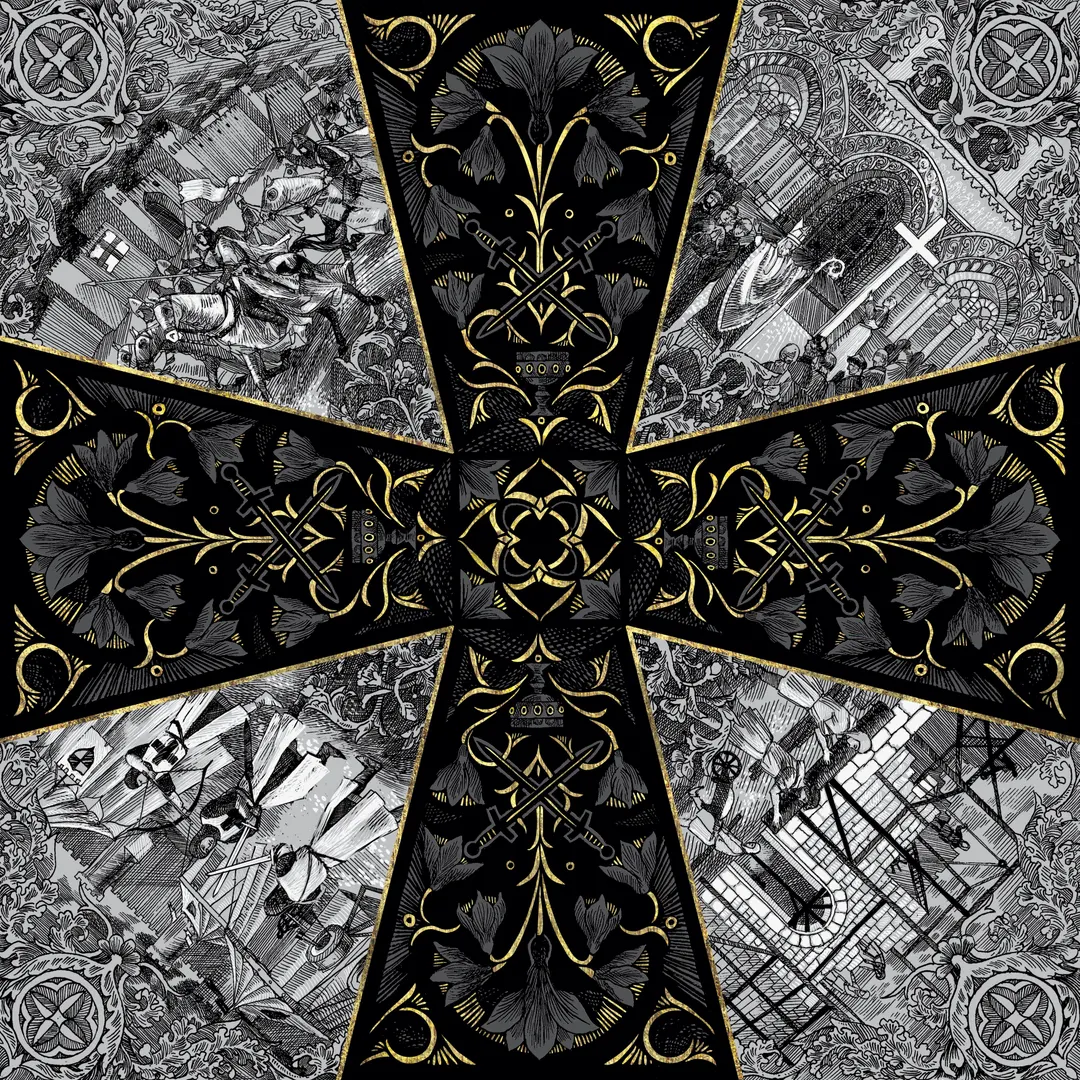
The year is 1099. The crusader armies besiege and capture Jerusalem, and new Christian states appear in the Levant. The Arab tribes — known to them as the Saracens — seek vengeance against them as they fight one another for favours from Vatican and control over trade. Their struggle is far from over… Outremer is a grand strategy game that combines area control with well-crafted Euro-style mechanics. The action takes place in the Levant—on the eastern coast of the Mediterranean Sea—in the 12th century, right after the First Crusade. Each player takes control of one of four Crusader states and uses every available means to expand their influence and increase the wealth of their domain. You'll develop cities, manage trade, appoint viceroys, send spies, and lead armies of battle-hardened knights into war. But victory in these lands requires more than just the sword—it demands strategy. Event cards and relentless Saracen raids can shatter even the most careful plans. In the Levant, only the bold survive. Gameplay Features: The Cross of Orders: a central element of planning and the struggle for resources and initiative. Players will face tough dilemmas: would you occupy an empty slot to profit at the expense of others? Choose a valuable action but pay another player for it? Or sacrifice a turn to perform a powerful action in the next round? Two layers of territory control: traditional military dominance and religious influence through bishops, using an area majority mechanic. Combat system: battles against other players and the game-driven common enemy (Saracens) depend on a smart combination of cards and a bit of luck. Players must decide what they are willing to sacrifice to achieve a coveted victory. Story-driven campaign: in addition to the main standalone game mode, players can explore 4 interconnected scenarios with persistent progress. Each scenario introduces a new mechanic, offering a fresh perspective on the familiar gameplay. —description from the designer
Outremer supports 2–4 players according to the catalogue. This range comes from the publisher’s listed player count, so the game can be set up for any group size within it. Some setups, rules and scoring details may still vary by player count, so check your edition’s rulebook for the exact configuration.
The listed playing time for Outremer is 120–180 minutes. This is the publisher’s estimate for a full game. The actual duration depends on the group, the player count and familiarity with the rules: first sessions usually run longer, while experienced groups often finish faster. Setup and teaching time are not included in this estimate.
The catalogue lists Outremer for ages 12 and up. This is the publisher’s recommendation and reflects reading demands, rule complexity and small components rather than theme alone. Younger players can often join with help from an adult, so check the age guidance on your edition and consider your group’s experience with board games.
Outremer has a complexity rating of 3.7 out of 5 from BoardGameGeek players, which makes it a medium-weight game. The rating reflects how much rules knowledge, planning and decision-making a typical game demands. Expect a longer first teach for heavier games, and use a preparation guide before game night.
Outremer belongs to these categories: Economic, Territory Building, and Medieval. Its main mechanics are Variable Player Powers, Area Majority / Influence, and Events. Categories describe the theme and setting of a game, while mechanics describe what players actually do on their turns. Each mechanic links to a catalogue hub with similar games, which helps when you want something comparable.
The credited designers of Outremer are: Michail Alexandrov, Stanislav Krasnov, and Olga Ilchenko. These credits come from the published game data and name the people responsible for the game’s design, not its illustrators or publishers. Designer pages on MeepleRules collect other titles by the same designers, which helps when you enjoy a game and want to find similar ones.
The catalogue lists Outremer as a base game. It can be played on its own with the components in the box and does not require any other title. Expansions, if any exist, add new content or rules on top of it and are listed separately in the catalogue with a link back to this base game.