
- BGG rank
- BGG #3,421
- BGG rating
- 7.2
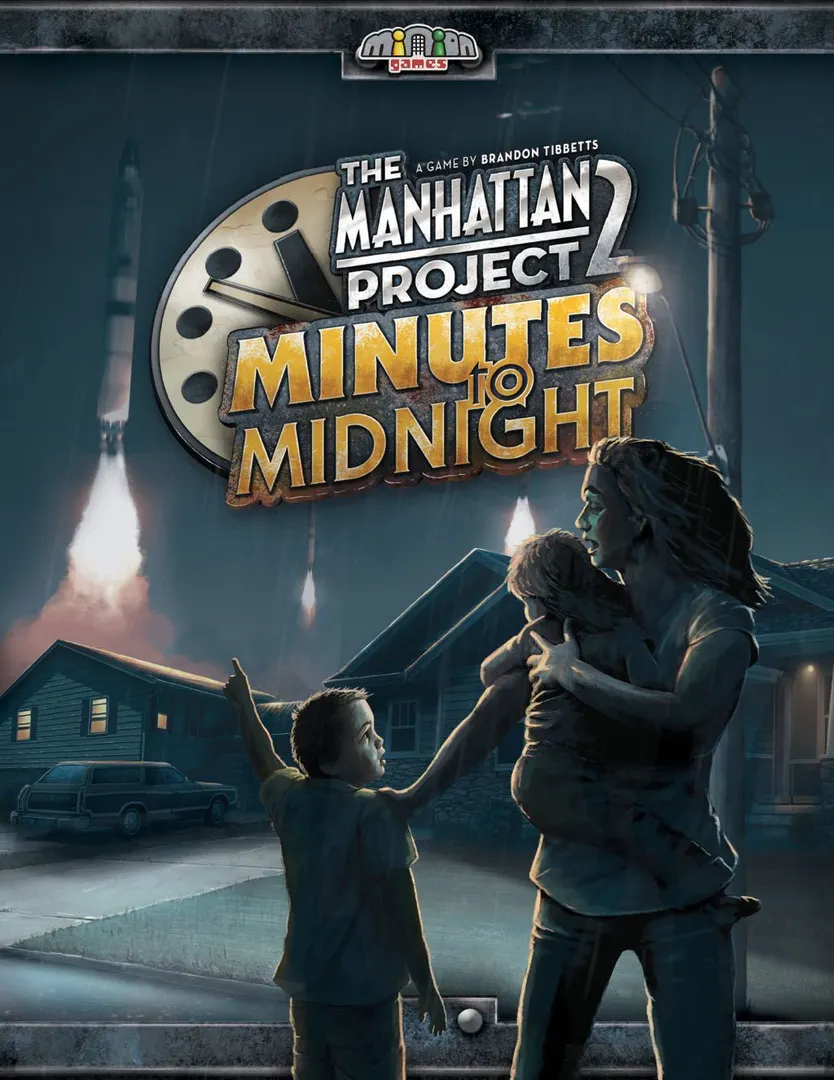
The Manhattan Project 2: Minutes to Midnight
- 2–5 players
- 90–150 min
- Complexity 3.6/5
- 2018
2025
Rules assistance for Pulitzer
Plain-language explanations of turns, card effects and disputed situations, with official source references and saved question history.
For 1 player
What would you like to know?
Answers come from the official rulebook, with the page to check.
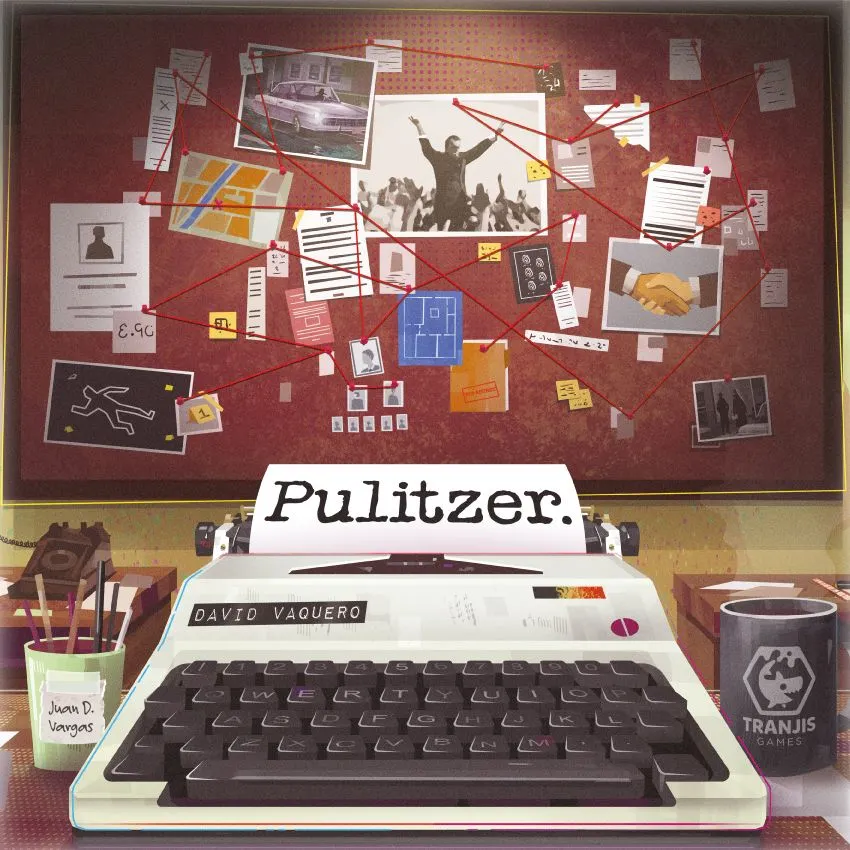
Pulitzer is a board game released in 2025 for 1–5 players, 60–120 minutes per game, and ages 14 and up. It was designed by David Vaquero and its main mechanics are Set Collection, Point to Point Movement, and Area Majority / Influence.



You take the reins of a team of American investigative journalists during the early stages of the turbulent decade of the 1970s. The Vietnam War, the Pentagon Papers, the Watergate Case... You will work to maintain the prestige and sales of the newspaper while dedicating the necessary resources to complete the investigation of the big story. The one that will win you the Pulitzer and etch your name in the history of journalism forever. Pulitzer is played over 8 rounds, divided into 2 phases: Placement and Resolution. In the Placement phase you will place your Journalists hidden in the different areas of the board to publish exclusives, do work outside the newspaper, document or investigate in the field. When the players have placed their Journalists the simultaneous phase of Resolution begins. You may flip all the Journalists on the board to show their values and you will check who prevails in each of the zones. In addition, you will try to gather the necessary evidence to advance with the report on your personal investigation board in a unique way never seen before in this type of Eurogames. Each new piece of evidence uncovered will bring you closer to the Pulitzer. At the end of the eighth round, you will see who has managed to pass the Pulitzer committee's minimum requirements and participate in the final scoring. Whoever has scored the most points for their newspaper's Reportage, Prestige and Reach will win the coveted award. Pulitzer includes an advanced mode for 1 or 2 players and several game modes to accommodate the game experience to the group. - - - - - - - - - - - - - - - - - - Tomáis las riendas de un equipo de periodistas de investigación norteamericano durante los primeros compases de la convulsa década de los 70. La Guerra de Vietnam, los Papeles del Pentágono, el caso Watergate… Trabajaréis para mantener el prestigio y las ventas del periódico mientras dedicáis los recursos necesarios para completar la investigación del gran reportaje. Aquel que os permita ganar el Pulitzer y grabar vuestros nombres en la historia del periodismo para siempre. Pulitzer se juega a lo largo de 8 rondas, divididas a su vez en 2 fases: Colocación y Resolución. En la fase de Colocación dispondréis vuestros Periodistas de forma oculta en las distintas zonas del tablero para publicar exclusivas, realizar trabajos fuera del periódico, documentarse o investigar sobre el terreno. Cuando todas las personas han colocado a sus Periodistas se inicia la fase simultánea de Resolución. Voltearéis a todos los Periodistas sobre el tablero para mostrar sus valores y comprobaréis quién se impone en cada una de las zonas. Además, trataréis de reunir las pruebas necesarias para avanzar con el reportaje en vuestro tablero de investigación personal de una manera única y nunca antes vista en este tipo de eurogames. Cada nueva prueba descubierta os acercará más al Pulitzer. Cuando finalice la octava ronda, comprobaréis quienes han conseguido superar los requisitos mínimos del comité del Pulitzer y participan en la puntuación final. Quien haya obtenido más puntos sumando Reportaje, Prestigio y Alcance de su periódico, será quien se alce con el preciado galardón. Pulitzer incluye un modo avanzado para 1 o 2 jugadores y varios modos de juego para acomodar la experiencia de juego al grupo.
Pulitzer supports 1–5 players according to the catalogue. This range comes from the publisher’s listed player count, so the game can be set up for any group size within it. Some setups, rules and scoring details may still vary by player count, so check your edition’s rulebook for the exact configuration.
The listed playing time for Pulitzer is 60–120 minutes. This is the publisher’s estimate for a full game. The actual duration depends on the group, the player count and familiarity with the rules: first sessions usually run longer, while experienced groups often finish faster. Setup and teaching time are not included in this estimate.
The catalogue lists Pulitzer for ages 14 and up. This is the publisher’s recommendation and reflects reading demands, rule complexity and small components rather than theme alone. Younger players can often join with help from an adult, so check the age guidance on your edition and consider your group’s experience with board games.
Pulitzer has a complexity rating of 2.8 out of 5 from BoardGameGeek players, which makes it a medium-light game. The rating reflects how much rules knowledge, planning and decision-making a typical game demands. Expect a longer first teach for heavier games, and use a preparation guide before game night.
Pulitzer belongs to these categories: Political, Spies / Secret Agents, and Vietnam War. Its main mechanics are Set Collection, Point to Point Movement, and Area Majority / Influence. Categories describe the theme and setting of a game, while mechanics describe what players actually do on their turns. Each mechanic links to a catalogue hub with similar games, which helps when you want something comparable.
The credited designers of Pulitzer are: David Vaquero. These credits come from the published game data and name the people responsible for the game’s design, not its illustrators or publishers. Designer pages on MeepleRules collect other titles by the same designers, which helps when you enjoy a game and want to find similar ones.
The catalogue lists Pulitzer as a base game. It can be played on its own with the components in the box and does not require any other title. Expansions, if any exist, add new content or rules on top of it and are listed separately in the catalogue with a link back to this base game.