
- BGG rank
- BGG #4,066
- BGG rating
- 7.0
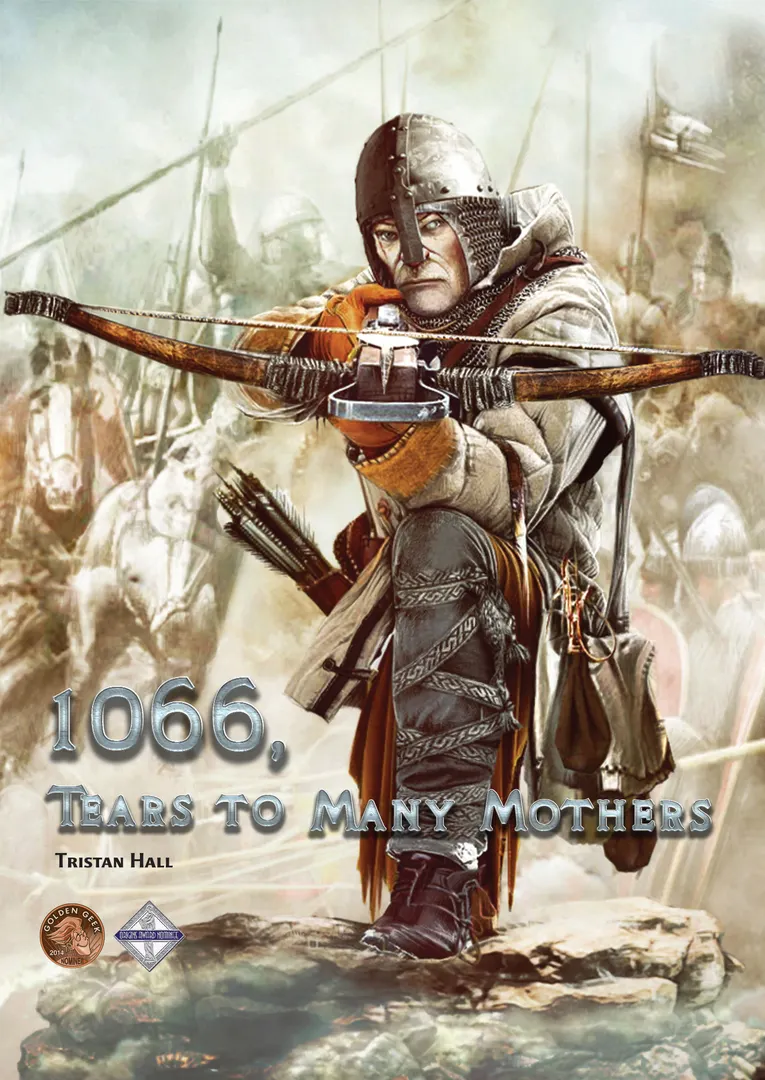
1066, Tears to Many Mothers: The Battle of Hastings
- 1–2 players
- 30–60 min
- Complexity 2.3/5
- 2014
2020
Rules assistance for Ragemore
Plain-language explanations of turns, card effects and disputed situations, with official source references and saved question history.
For 1 player
What would you like to know?
Answers come from the official rulebook, with the page to check.
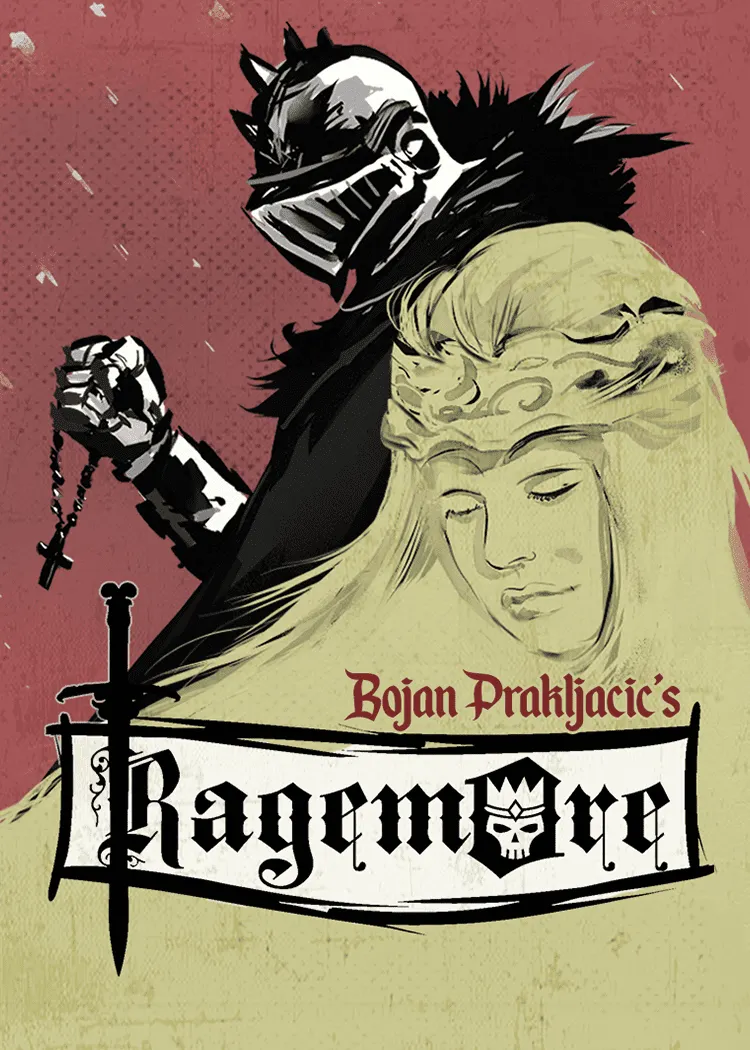
Ragemore is a board game released in 2020 for 1 player, 20 minutes per game, and ages 10 and up. It was designed by Bojan Prakljacic and its main mechanics are Hand Management and Solo / Solitaire Game.



Evil had beset the village, and we were their last hope. We could not ignore our duty, so we set out on one last quest. We fell one by one, until I was the last survivor. Holding steadfast, I swung my axe one last time. As I crashed to the ground, I knew I had found, at last, peace. Ragemore is an 18 card solo game where you will complete quests, while managing your hand and resources as you delve though the dark, fighting demons, all in a span of 10-15 minutes. Each card is two sided; a demon and a hero. In the beginning of the game, the player will set up 2 piles of demon-sided quests and a party of 3 hero-sided cards. Then an immediate threat is revealed from the draw deck as the current demon card that may or may not be dealt with. If it is not killed, the demon card will go to one of the quests piles and an event written on that card will take effect. If it is killed, the demon card is flipped to the hero side and becomes one of the party. The player can also ignore the immediate demon threat and goes on a quest to obtain the win condition, or parlay with some of the demons to turn them into heroes but with the cost of the hero's morality: the hero is flipped to the demon side and joins the draw deck of demons. The game is won when the hero gains the required number of quest card by using a combination of four symbols drawn on each cards. The game is lost when the graveyard has 3 deaths or when a quest pile has 4 demons or the party has no more heroes or the draw deck of demons is empty before the number of quest cards is fulfilled or if the quest piles are empty before the number of quest cards is fulfilled. 1 winning condition and 5 losing conditions. Released in the May 2020 Board Game of the Month Club $20+ package.
Ragemore supports 1 player according to the catalogue. This is the publisher’s listed player count, so the game is designed for exactly that number of participants. Variants for other group sizes, if any, are described in the rulebook of your edition, so check it before setting up a different configuration.
The listed playing time for Ragemore is 20 minutes. This is the publisher’s estimate for a full game. The actual duration depends on the group, the player count and familiarity with the rules: first sessions usually run longer, while experienced groups often finish faster. Setup and teaching time are not included in this estimate.
The catalogue lists Ragemore for ages 10 and up. This is the publisher’s recommendation and reflects reading demands, rule complexity and small components rather than theme alone. Younger players can often join with help from an adult, so check the age guidance on your edition and consider your group’s experience with board games.
Ragemore has a complexity rating of 2.1 out of 5 from BoardGameGeek players, which makes it a medium-light game. The rating reflects how much rules knowledge, planning and decision-making a typical game demands. Expect a longer first teach for heavier games, and use a preparation guide before game night.
Ragemore belongs to these categories: Card Game, Fantasy, and Print & Play. Its main mechanics are Hand Management and Solo / Solitaire Game. Categories describe the theme and setting of a game, while mechanics describe what players actually do on their turns. Each mechanic links to a catalogue hub with similar games, which helps when you want something comparable.
The credited designers of Ragemore are: Bojan Prakljacic. These credits come from the published game data and name the people responsible for the game’s design, not its illustrators or publishers. Designer pages on MeepleRules collect other titles by the same designers, which helps when you enjoy a game and want to find similar ones.
The catalogue lists Ragemore as a base game. It can be played on its own with the components in the box and does not require any other title. Expansions, if any exist, add new content or rules on top of it and are listed separately in the catalogue with a link back to this base game.