
- BGG rank
- BGG #3,103
- BGG rating
- 6.9
Surfosaurus MAX
- 2–6 players
- 20 min
- Complexity 1.2/5
- 2023
1796
Rules assistance for Roulette
Plain-language explanations of turns, card effects and disputed situations, with official source references and saved question history.
What would you like to know?
Answers come from the official rulebook, with the page to check.
Roulette is a board game released in 1796 for 2–6 players, 1 minute per game, and ages 8 and up. It was designed by François Blanc and its main mechanics are Betting and Bluffing.







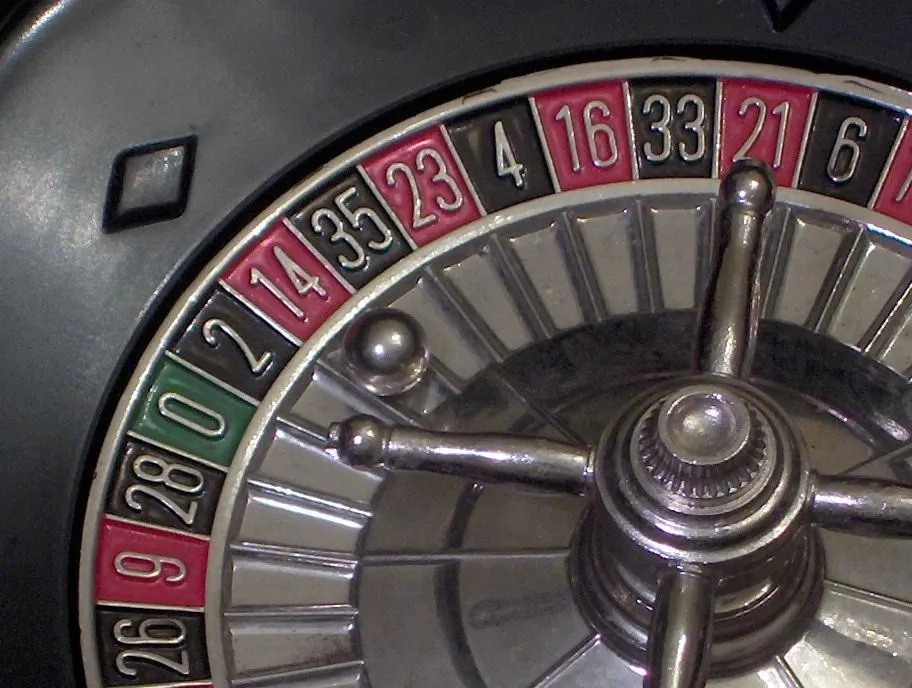
Roulette is a French word meaning "small wheel". It is the oldest casino game still in existence today. The exact origins of the game are unknown - there's probably been gambling using a wheel since the invention of the wheel. Some say it was invented in 1655 by the French scientist Blaise Pascal while working on a perpetual motion machine. Others say it derives from a Chinese game in which player try to move 36 statues into a magic circle. The Roulette layout that we know today first appeared in 1765 in Paris, but the modern version of the game did not appear until around 1842 when Frenchmen Francois and Louis Blanc are said to have invented the single "0" roulette game. Another mystic legend tells that Francois Blanc, who founded the first casinos in Monte Carlo, sold a soul to the devil for the secret of roulette. As proof, they point out that the sum of all the numbers on a Roulette wheel added together total 666 - the number of the beast. The single "0" wheel became known as the "French Wheel". When French immigrants brought the game to America a double zero "00" was also added and this became known as the "American Wheel". The game became popular in the old west of America during the California Gold Rush. Modern Roulette is a perfectly balanced wheel with a slot for each number. The numbers alternate between black and red (the 0 and 00 are green) and exactly opposite each other number is the corresponding higher and lower number (0 is opposite the 00, 1 is opposite the 2, and so on up to the 35 being directly opposite the 36). Players may place a multitude of wagers: Single Number pays 35:1, Two Numbers pays 17:1, Three numbers pays 11:1, Four Numbers pays 8:1, Five Numbers (American Wheel) pays 6:1, Six Numbers pays 5:1, Column or Dozen pays 2:1, High/Low Black/Red or Odd/Even pays 1:1. The 0 and 00 are not counted when calculating the odds which gives the house its edge. Ironically, no matter where you place your chips, the house edge remains almost constant (5.26% American Wheel, 2.70% French Wheel). When all the bets are placed the croupier rolls a little ivory ball along the inner edge of the wheel in the opposite direction of its spin. As the wheel turns, the ball loses momentum, bounces among the slots and finally falls into one of the numbered slots. The number that the ball rests on is the declared as the winning number for that game and winning wagers are paid off.
Roulette supports 2–6 players according to the catalogue. This range comes from the publisher’s listed player count, so the game can be set up for any group size within it. Some setups, rules and scoring details may still vary by player count, so check your edition’s rulebook for the exact configuration.
The listed playing time for Roulette is 1 minute. This is the publisher’s estimate for a full game. The actual duration depends on the group, the player count and familiarity with the rules: first sessions usually run longer, while experienced groups often finish faster. Setup and teaching time are not included in this estimate.
The catalogue lists Roulette for ages 8 and up. This is the publisher’s recommendation and reflects reading demands, rule complexity and small components rather than theme alone. Younger players can often join with help from an adult, so check the age guidance on your edition and consider your group’s experience with board games.
Roulette has a complexity rating of 1.1 out of 5 from BoardGameGeek players, which makes it a light game. The rating reflects how much rules knowledge, planning and decision-making a typical game demands. Expect a longer first teach for heavier games, and use a preparation guide before game night.
Roulette belongs to these categories: Number. Its main mechanics are Betting and Bluffing. Categories describe the theme and setting of a game, while mechanics describe what players actually do on their turns. Each mechanic links to a catalogue hub with similar games, which helps when you want something comparable.
The credited designers of Roulette are: François Blanc. These credits come from the published game data and name the people responsible for the game’s design, not its illustrators or publishers. Designer pages on MeepleRules collect other titles by the same designers, which helps when you enjoy a game and want to find similar ones.
The catalogue lists Roulette as a base game. It can be played on its own with the components in the box and does not require any other title. Expansions, if any exist, add new content or rules on top of it and are listed separately in the catalogue with a link back to this base game.


